Pavement doesn’t last forever—but it can last a lot longer with the right care. Cracks, fading, and surface erosion are signs that your asphalt is losing the battle against weather, traffic, and time. The good news? Superior Sealing services like chip sealing and seal coating exist precisely to turn that battle around, restoring your pavement’s strength and appearance before small problems become expensive ones.
Whether it’s a commercial parking lot, a private driveway, or a stretch of roadway, properly sealed pavement protects your investment and keeps surfaces looking sharp for years. Here’s why these two services deserve a spot at the top of your property maintenance list.
What Is Chip Sealing—and Why Does It Work So Well?
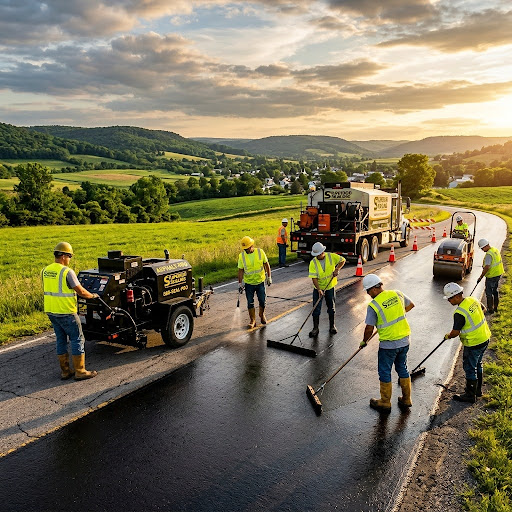
Chip sealing is one of the most effective and cost-efficient methods for extending the life of asphalt surfaces. The process involves applying a layer of hot liquid asphalt binder directly onto the existing pavement, followed by an even spread of small aggregate chips. These chips are then pressed firmly into the binder using a roller, creating a textured, durable surface that bonds tightly to the pavement beneath.
The result? A surface that handles heavy traffic, resists weathering, and provides excellent skid resistance. That textured finish isn’t just for aesthetics—it gives vehicles better traction, making chip-sealed roads and driveways noticeably safer in wet or icy conditions.
Chip sealing is also a fraction of the cost of full asphalt replacement, making it an incredibly smart option for property owners looking to maximize value without overspending. When applied correctly and at the right time, chip sealing can add years to the life of a pavement surface.
Seal Coating: Your Pavement’s Best Line of Defense
Seal coating works differently from chip sealing, but the goal is the same—protection and longevity. A seal coat is a thin, protective layer applied over existing asphalt to shield it from the elements that cause the most damage: UV rays, rain, oil spills, and freeze-thaw cycles.
Over time, untreated asphalt oxidizes. The binders that hold it together dry out, causing the surface to become brittle and prone to cracking. Seal coating replenishes that protective barrier, slowing down oxidation and keeping the asphalt flexible and intact.
Beyond protection, seal coating delivers a clean, jet-black finish that dramatically improves the appearance of any paved surface. A freshly seal-coated parking lot or driveway looks professional, well-maintained, and inviting—a detail that matters enormously for businesses making first impressions.
How Often Should Seal Coating Be Applied?
For most commercial and residential surfaces, seal coating every two to three years is the recommended maintenance window. Factors like traffic volume, sun exposure, and climate can shift that timeline, but regular application is the key to keeping pavement in top condition.
Waiting too long between applications allows damage to accumulate. Cracks form, water seeps in, and the repair costs grow significantly. Proactive seal coating is always cheaper than reactive repairs.
Chip Sealing vs. Seal Coating: Which One Does Your Pavement Need?
Both services protect and extend pavement life, but they serve slightly different purposes.
Choose chip sealing if:
- Your surface has significant wear, roughness, or minor surface deterioration
- You need added traction on a road, driveway, or high-traffic area
- You’re looking for a cost-effective alternative to full resurfacing
- The pavement has a structurally sound base but needs a fresh protective layer
Choose seal coating if:
- Your asphalt is in relatively good condition, but showing signs of fading or oxidation
- You want to maintain a smooth, clean appearance
- You’re focused on prevention rather than correction
- You need to protect a recently paved surface from early weathering
In some cases, the two services complement each other. A chip seal can address surface-level wear, while a subsequent seal coat locks in the protection and polishes the final look.
The Long-Term Value of Professional Pavement Maintenance
Pavement maintenance is easy to overlook—until a crack becomes a pothole, or a pothole becomes a liability. The longer surface damage goes unaddressed, the more it costs to fix. A small investment in chip sealing or seal coating today can prevent thousands of dollars in repair or replacement costs down the line.
There’s also the property value angle. Curb appeal matters. A well-maintained driveway or parking lot signals care and professionalism. For businesses, it can be the difference between a customer pulling in or driving past.
Environmentally, pavement maintenance also reduces waste. Extending the life of existing asphalt means less material ends up in landfills, and fewer resources are consumed in full-scale paving projects.
Why Trusting the Right Team Makes All the Difference
Chip sealing and seal coating aren’t just about applying products—they’re about applying them correctly. Surface preparation, temperature conditions, application rates, and curing time all affect the final result. A poorly executed job can peel, crack, or fail within months.
That’s why choosing experienced, reputable professionals is non-negotiable.
Superior Sealing brings the expertise, equipment, and commitment to quality that property owners need to get the most out of every pavement maintenance service—delivering results that protect your surfaces, enhance their appearance, and save you money over the long haul. From chip sealing high-traffic roads to seal coating commercial parking lots, their team handles every project with precision and professionalism.
When the goal is pavement that lasts, the right partner makes all the difference.
Frequently Asked Questions
How long does chip sealing last?
When properly applied, chip sealing can last anywhere from seven to ten years, depending on traffic levels, climate, and the condition of the underlying pavement.
Can seal coating be applied over cracked asphalt?
Seal coating is best applied to structurally sound asphalt. Existing cracks should be cleaned and filled before a seal coat is applied to ensure proper adhesion and maximum protection.
How long does seal coating take to cure?
Most seal coat applications require 24 to 48 hours of curing time before the surface can be opened to vehicle traffic. Warmer, drier conditions speed up the process.
Is chip sealing suitable for residential driveways?
Yes. Chip sealing works well on residential driveways, particularly those with larger surface areas or noticeable wear. It’s a cost-effective way to restore grip and protect the driveway from further deterioration.
How do I know if my pavement needs chip sealing or seal coating?
A professional assessment is the most reliable way to determine the right service. In general, surfaces with significant roughness or wear benefit more from chip sealing, while smoother surfaces showing fading or oxidation are better candidates for seal coating.