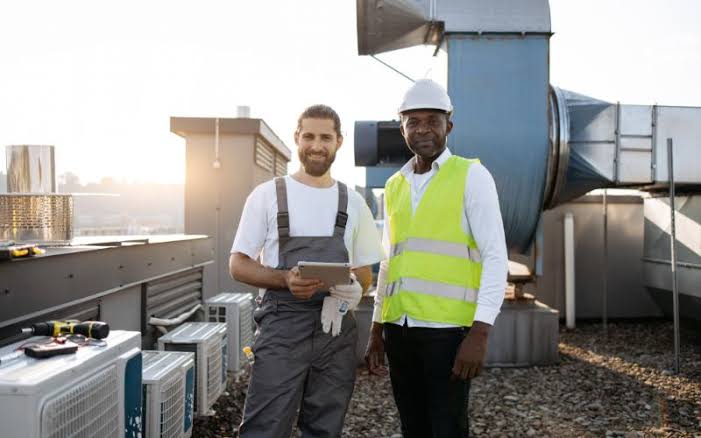
Expanding a business facility is an exciting milestone that often signals growth, increased customer demand, and long-term confidence in the future. Whether the project involves adding office space, enlarging a warehouse, renovating a retail location, or constructing an entirely new section, every detail contributes to how efficiently the finished space performs. Heating, cooling, and ventilation systems are among the most important building components because they influence comfort, productivity, equipment reliability, and energy consumption. Planning these systems before construction progresses too far can prevent unnecessary expenses and reduce interruptions, allowing businesses to create spaces that are prepared for present operations while remaining adaptable for future growth.
Planning for Efficient Expansion
Building Systems That Match Future Growth
Business expansions often begin with architectural drawings, budgeting, and construction timelines, but mechanical systems deserve equal attention during the earliest planning stages. Heating and cooling requirements change dramatically when square footage increases or when the purpose of individual rooms changes. A facility that once functioned as office space may later include storage areas, production rooms, conference centers, or customer waiting areas, each with different ventilation and temperature needs. Addressing these changes early allows mechanical equipment, ductwork, and airflow calculations to be incorporated naturally into the construction process rather than forcing expensive adjustments later.
Consulting an HVAC contractor before expansion helps ensure heating and cooling designs align with the building’s intended use, preventing avoidable redesigns after construction is already underway. This level of preparation allows contractors from different trades to coordinate their work efficiently, reducing scheduling conflicts while ensuring every system fits within the overall building design.
Preventing Costly Construction Changes
Construction projects frequently encounter unexpected adjustments, but many of them can be minimized through careful planning before physical work begins. Mechanical systems occupy valuable ceiling, wall, and utility space, making coordination essential from the earliest stages of the project. If ventilation routes, equipment placement, or utility connections are overlooked, builders may have to reopen finished walls, relocate plumbing, or modify electrical installations after work is already complete.
These corrections consume additional labor, delay occupancy, and increase overall project expenses. Reviewing heating and cooling requirements before expansion begins allows every trade involved in the project to understand how different systems interact. This coordinated approach creates smoother construction progress while helping business owners avoid surprise costs that strain project budgets. It also gives suppliers sufficient time to provide equipment that meets the project’s specifications, rather than rushing to source replacement components later in the schedule.
Supporting Employee Comfort and Productivity
As facilities expand, employee numbers often increase as well, creating greater demand for consistent indoor temperatures and healthy air circulation. Crowded workspaces, larger meeting rooms, additional machinery, and changing occupancy patterns all affect how heating and cooling systems perform throughout the day. An outdated system designed for a smaller building may struggle to maintain comfortable temperatures once the facility grows. Poor airflow can lead to uncomfortable working conditions, uneven temperatures, and declining employee satisfaction, especially during periods of extreme weather.
Designing an upgraded system before expansion ensures every new workspace receives appropriate airflow while balancing temperatures across both existing and newly constructed areas. Comfortable employees are generally better able to concentrate, communicate effectively, and perform daily responsibilities without unnecessary distractions caused by excessive heat, cold, or stale indoor air.
Protecting Equipment and Daily Operations
Many expanding businesses depend on equipment that generates considerable heat or requires controlled environmental conditions to function properly. Computers, servers, manufacturing machinery, laboratory equipment, and electronic inventory systems all perform more reliably within recommended temperature ranges. As additional equipment is introduced during expansion, cooling demands increase alongside electrical loads. Without proper planning, excessive heat can shorten equipment lifespan, increase maintenance needs, and contribute to unexpected operational interruptions.
Considering these factors before construction allows cooling capacity, ventilation pathways, and equipment placement to work together efficiently. Instead of reacting to overheating problems after occupancy, business owners can create environments that support both employee comfort and reliable equipment performance. This proactive approach contributes to smoother daily operations while protecting valuable investments that support the organization’s continued growth.
Improving Long-Term Energy Performance
Energy costs represent a significant operating expense for many commercial properties, making efficiency an important consideration during any expansion project. Older heating and cooling systems may operate adequately within smaller buildings but become increasingly inefficient when asked to serve larger spaces. Expanding without evaluating system capacity often forces existing equipment to work harder than intended, increasing utility costs while placing unnecessary stress on mechanical components. Early planning creates opportunities to select appropriately sized equipment, improve insulation strategies, optimize ventilation layouts, and incorporate modern controls that respond to changing occupancy levels.
Rather than treating energy efficiency as an afterthought, integrating it into expansion planning allows businesses to reduce operating expenses throughout the building’s lifespan. Lower utility consumption also supports broader sustainability goals while providing predictable operating costs that assist with long-term financial planning.
Meeting Building Codes and Regulatory Requirements
Commercial construction projects must satisfy numerous building regulations covering ventilation, indoor air quality, fire safety, energy efficiency, and occupancy standards. Expansion projects frequently introduce additional compliance requirements that differ from those that apply to the original structure. Ignoring these obligations during early planning may result in failed inspections, construction delays, or unexpected redesigns before occupancy approval can be granted.
Coordinating mechanical planning early helps ensure system designs meet current code requirements while integrating smoothly with structural, electrical, and plumbing components. Proper documentation, equipment selection, and installation planning contribute to a more organized approval process throughout construction. By addressing compliance before work progresses too far, businesses reduce the likelihood of costly corrections and create facilities that meet regulatory expectations and provide safe, comfortable environments for employees, customers, and visitors.
Creating Flexibility for Future Business Changes
Business growth rarely stops with a single expansion. Companies often continue to adapt their facilities as staffing levels increase, new services are introduced, or operational priorities evolve. Mechanical systems designed with flexibility in mind make future modifications significantly easier than systems installed solely to satisfy immediate requirements. Planning ahead allows designers to consider future capacity, equipment accessibility, and distribution layouts that accommodate later renovations without requiring complete replacement of existing infrastructure. This forward-looking approach protects the value of current investments while reducing future construction disruptions.
Businesses gain confidence knowing their facilities can evolve with changing operational demands, rather than requiring major reconstruction whenever additional space or new functions are needed. Flexible building systems contribute to smoother long-term planning while supporting sustainable growth over many years.
Expanding a business facility involves much more than increasing square footage, as every building system must support the organization’s future goals. Early attention to heating, cooling, and ventilation creates opportunities to improve construction coordination, reduce unnecessary expenses, enhance employee comfort, protect valuable equipment, and strengthen long-term energy performance.
Thoughtful planning also helps businesses meet regulatory requirements while creating adaptable facilities that support future growth without extensive reconstruction. Investing time in mechanical planning before expansion begins allows projects to progress with fewer obstacles, resulting in commercial spaces that operate efficiently, remain comfortable through changing seasons, and continue to serve the business effectively as its needs evolve.