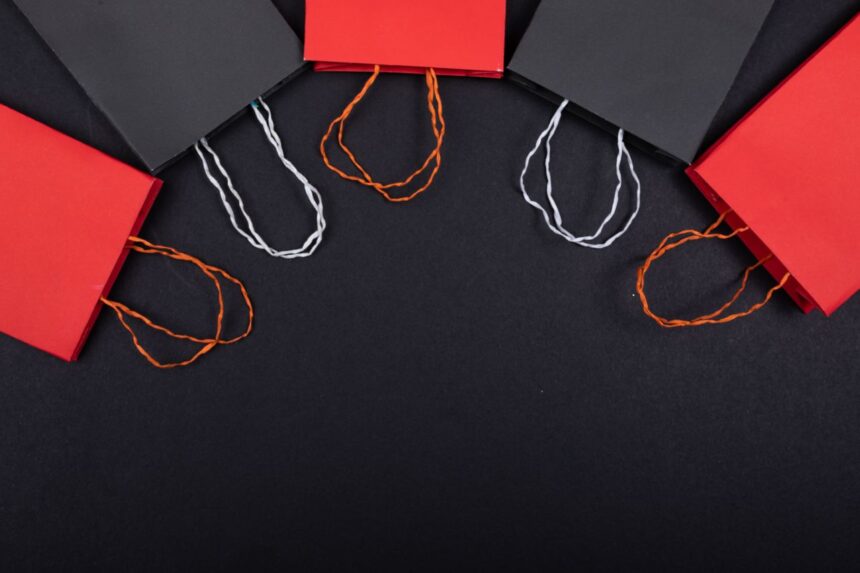
Somewhere between the branded stress balls collecting dust in a desk drawer and the cheap pens that run out of ink by Friday, there is a category of promotional product that actually gets used. Bags travel with people. They show up at the grocery store, the gym, the office, and the farmers market, carrying both their contents and a brand’s logo into every one of those spaces.
Why Bags Outperform Other Promotional Items
Most promotional products earn a polite “thanks” and then disappear into a junk drawer. Bags behave differently because they solve a real problem. People need to carry things, and a well-made bag fills that need every day.
According to the 2026 ASI Global Advertising Impressions Study, a $6 tote bag generates about 5,000 impressions over its lifetime, at a cost-per-impression of just one-tenth of a cent. That kind of reach is hard to replicate through almost any other channel at a comparable price. The math works because a bag does not sit still. Every trip through a crowded space is a new set of eyes on whatever logo is printed on its side.
That estimated lifetime impression count places tote bags second only to outerwear among all promotional product categories, and their cost-per-impression is one of the lowest in the entire report. For organizations working with modest marketing budgets, that efficiency is hard to ignore.
The Practical Case for Utility-First Design
Function Determines Frequency of Use
A bag that people reach for repeatedly is doing continuous marketing work. Utility is the engine behind the impression count. Grocery runs, weekend errands, conference days, and commutes all become exposure opportunities when someone consistently grabs the same branded tote instead of whatever else is sitting by the door.
What Makes a Bag Worth Keeping
Not every branded bag earns a permanent spot in someone’s rotation. The ones that do tend to share a few qualities: sturdy construction, a size that fits real-world use, and a design that does not look out of place in public. Subtle, well-placed branding tends to extend the life of a bag more than an oversized logo that makes recipients self-conscious about carrying it.
Worth keeping. That is the whole game.
Materials Signal Brand Values
Canvas, recycled PET, and organic cotton have become increasingly common choices for branded bags, and not just for environmental reasons. These materials tend to be more durable, which directly extends a bag’s useful life and the number of impressions it generates. ASI’s research found that 86% of consumers said they would view an advertiser more favorably after receiving a sustainable bag. That perception lift is built into the material choice before the bag is even used.
Matching the Bag to the Occasion
Different bag formats serve different contexts, and choosing the right one makes a real difference in how often it gets used.
A canvas tote handed out at a trade show fits the casual, carry-everything nature of the event. A structured backpack makes sense for a tech company onboarding kit or a university orientation. A cinch bag works well for fitness-related brands or youth sports programs. The goal is to give someone a bag they would have bought for themselves anyway.
When thinking through options, it helps to browse a range of styles rather than defaulting to the most familiar format. Custom branded bags come in enough variety that most organizations can find a format that genuinely fits their audience and their context.
Bags as Part of a Broader Brand Strategy
Branded bags work best when treated as a deliberate brand touchpoint rather than an afterthought. That means thinking through the color palette, logo placement, and the quality of the print or embroidery. A bag that looks good is a bag that gets carried, and a bag that gets carried is doing marketing work.
Distribution matters too. Bags handed out at the right moment, during onboarding, at a conference, or as part of a welcome package land differently than bags dropped into a generic swag pile. Context shapes how the recipient values the item, which in turn shapes how long they keep it and how often they reach for it.
Consumer surveys show that 73% of U.S. consumers report owning a promotional bag, making it one of the most widely held categories of branded merchandise. People hold onto bags because bags are useful. Brand loyalty alone does not explain those numbers.
Getting the Design Right
Good bag design is not complicated, but it does require a few deliberate decisions.
- Keep the branding clean. One logo or wordmark, placed consistently, reads more professional than a bag covered in competing elements.
- Choose colors that travel well. Neutral base colors with a strong accent tend to work across more contexts than bold, polarizing palettes.
- Prioritize print durability. Screen printing and embroidery hold up better over time than heat transfers, which matters when the goal is a bag that lasts for years.
- Size for the actual use case. A bag that is too small to be useful, or too large to be practical, gets retired quickly.
The design phase is also the right time to think about whether the bag will be used indoors, outdoors, or in transit, since that affects both material and closure choices.
Where Branded Bags Fit in the Marketing Budget
Branded bags are not a premium splurge. They are one of the most cost-efficient forms of brand exposure available, particularly for organizations that need sustained visibility rather than a single campaign spike. The impression count builds over months and years, not days, which means the return on a well-chosen bag grows the longer it stays in circulation.
For event-based marketing, bags serve double duty as both a functional giveaway and a walking advertisement during and after the event. For employee programs, they build a sense of shared identity. And for customer retention efforts, they create a daily reminder of the brand without requiring any ongoing spend.
The Takeaway
Branded bags earn their place in a marketing mix because they solve a real problem for the people who receive them. That utility drives retention, and retention drives impressions. Putting money into quality materials and thoughtful design turns a giveaway into a durable brand asset that keeps working long after the event or campaign that launched it.