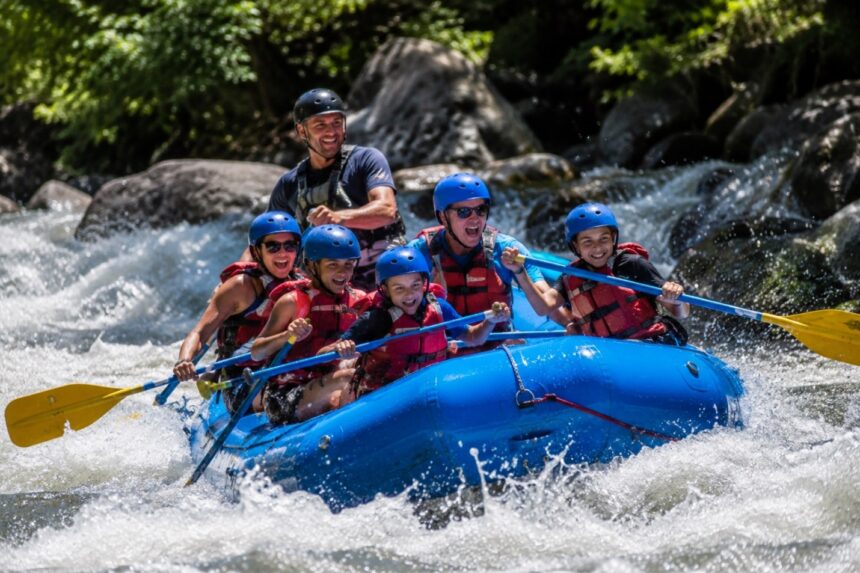
Have you ever planned a family vacation only to realize halfway through that nobody wants the same thing? One person wants relaxation, another wants excitement, and the kids want something they can talk about for months. That challenge explains why adventure travel has become one of the fastest-growing segments of the tourism industry. From hiking in the Smoky Mountains to rafting scenic rivers, families are choosing experiences over souvenirs and discovering that shared adventures often create the most lasting memories.
Why Adventure Travel Is Changing Family Vacations
Family travel has shifted dramatically over the last few years. Many parents are prioritizing meaningful experiences instead of packed sightseeing schedules, especially as remote work and flexible school calendars have made travel planning easier. The trend reflects a broader cultural move toward wellness, outdoor recreation, and spending less time staring at screens.
National parks, mountain towns, and outdoor destinations have benefited from this shift. Families are looking for trips that encourage teamwork, curiosity, and confidence. Unlike traditional vacations that often revolve around waiting in lines or sitting by a pool, adventure travel gives every family member an active role in the experience, making the trip feel more rewarding from start to finish.
Choosing Activities That Work for Every Age
Finding the right balance between excitement and safety is often the difference between a memorable trip and a stressful one. Activities that allow different comfort levels to coexist tend to work best because younger children, teenagers, and adults can all participate without feeling left out.
One popular example is white water rafting for families, which combines outdoor exploration with manageable challenges. In the Smoky Mountains, Smoky Mountain Outdoors Rafting has become a favorite choice for visitors looking for guided river adventures. The family-owned outfitter has operated since 1993 and offers trips on the Pigeon River with experienced guides in every raft. Families can choose calmer, lower-river excursions or more exciting upper-river routes while enjoying mountain scenery just a short drive from Gatlinburg and Pigeon Forge. Their focus on safety, professional guidance, and family-friendly options makes rafting accessible even for first-time adventurers.
The Smoky Mountains Remain a Family Favorite
Few destinations offer the variety found in the Great Smoky Mountains. Families can spend one day hiking to waterfalls and the next exploring rivers, wildlife areas, or scenic drives. The region remains America’s most visited national park area because it appeals to travelers with different interests and activity levels.
Parents appreciate that many adventures require little specialized experience. Children can spot elk, learn about local ecosystems, or tackle beginner-friendly trails without feeling overwhelmed. The mountains also provide a natural classroom where history, geography, and environmental awareness become part of the vacation without anyone feeling like they are sitting through a lesson. With a 5G internet service, children can even look up interesting facts and information on the trip or upload and share their experience online.
Planning for Safety Without Killing the Fun
Adventure travel works best when preparation happens before anyone leaves home. Checking age requirements, weather conditions, and fitness expectations helps families avoid surprises that can quickly derail a trip. A little research often prevents a lot of frustration.
Packing smart matters just as much. Comfortable footwear, refillable water bottles, sun protection, and weather-appropriate clothing should be considered essential rather than optional. Families sometimes spend months choosing destinations, yet forget basic necessities. Ironically, a forgotten rain jacket can become the most memorable part of the vacation for all the wrong reasons.
Technology Can Help and Hurt
Modern travel benefits from technology in countless ways. Navigation apps reduce the chance of getting lost, while reservation systems make booking activities more convenient than ever. Families can compare destinations, check weather forecasts, and find emergency services with a few taps on a phone.
At the same time, many parents are deliberately using adventure travel to reduce screen dependence. Outdoor activities naturally encourage conversation and engagement because there is always something happening around you. Children who seem glued to devices at home often become surprisingly interested in wildlife, rivers, or mountain trails when given the chance to interact with the real world instead of a digital one.
Budget-Friendly Adventure Is Easier Than Many Think
A common misconception is that adventure travel automatically means expensive gear, luxury lodges, and complicated itineraries. In reality, many outdoor destinations can be surprisingly affordable when compared with major theme parks or large-city vacations.
National parks, state parks, hiking trails, and river excursions often deliver a full day of entertainment at a reasonable cost. Families can save money by traveling during shoulder seasons, booking accommodations outside major tourist centers, and choosing destinations where several activities are located within a short distance of each other. The result is often a richer experience without the premium price tag.
Teaching Valuable Life Skills Through Travel
Adventure travel does more than provide entertainment. It helps children develop practical skills that extend well beyond the vacation itself. Learning how to follow a trail, paddle as part of a team, or adapt to changing conditions builds confidence in ways that classrooms cannot easily replicate.
Parents frequently notice improvements in communication and resilience after active trips. When families face challenges together, whether crossing a stream or navigating unfamiliar terrain, they learn how to cooperate more effectively. Those lessons often remain valuable long after the vacation photos have been posted and forgotten.
Making Memories That Last Beyond the Trip
The strongest family memories rarely come from perfectly planned moments. They usually emerge from unexpected experiences, shared laughter, and small victories achieved together. Adventure travel naturally creates these opportunities because every activity involves participation rather than observation.
As travel trends continue to evolve, families are increasingly seeking experiences that strengthen relationships while offering genuine excitement. Whether it involves rafting a mountain river, exploring trails in the Smokies, or discovering a new outdoor challenge, the appeal remains simple. Adventure travel transforms a vacation from something people consume into something they actively create together, and that difference is often what makes the memories last for years.