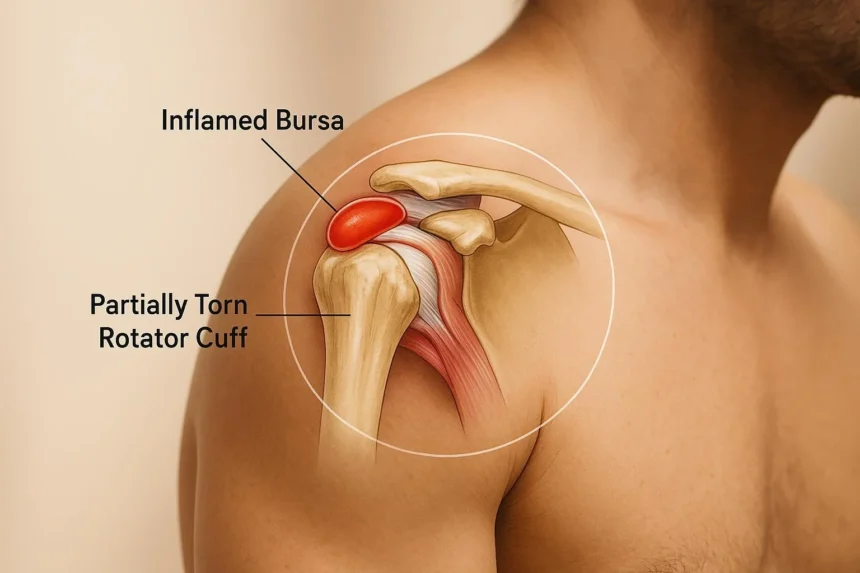
The shoulder is one of the most mobile and complex joints in the human body, relying on a delicate network of muscles and tendons to facilitate a vast range of motion. At the core of this intricate structure is the rotator cuff, a group of four primary muscles and their connecting tendons that stabilize the shoulder joint. When the rotator cuff suffers from inflammation, impingement, or tearing, the resulting pain can severely restrict upper body function. Understanding how rotator cuff pain develops and how it affects daily routines empowers individuals to seek timely care and restore full arm mobility.
Anatomy and Function of the Rotator Cuff Complex
To understand how rotator cuff pain originates, it is helpful to examine the underlying anatomical structure of the shoulder joint. The rotator cuff is composed of four distinct muscles: the supraspinatus, infraspinatus, teres minor, and subscapularis. These muscles originate on the shoulder blade and attach to the head of the upper arm bone via strong tendinous bands.
Together, these four muscles form a protective sleeve around the head of the humerus, centering it securely within the shallow socket of the shoulder blade. While larger surface muscles like the deltoids provide raw lifting power, the rotator cuff acts as a dynamic stabilizer, guiding smooth joint rotation during complex arm movements.
When any of these four tendons experience mechanical friction, acute trauma, or chronic wear, the fine equilibrium of the shoulder joint is disrupted. Inflammation across these stabilizing tendons leads to localized swelling, joint stiffness, and painful movement restrictions.
Common Causes of Rotator Cuff Inflammation and Tears
Rotator cuff pain rarely occurs without a specific underlying biomechanical cause. In many cases, symptoms stem from repetitive overhead movements, acute physical trauma, or age-related tissue degeneration over long periods.
Repetitive occupational or athletic activities—such as painting, carpentry, swimming, or throwing sports—exert continuous stress on rotator cuff tendons. Over time, micro-tears develop faster than the body can repair them, triggering chronic tendonitis or painful bursitis within the joint space.
Acute injuries, such as slipping on ice, catching a heavy falling object, or landing directly on an outstretched arm, can cause partial or full-thickness tendon tears instantly. Additionally, age-related reduction in local blood circulation causes tendons to lose elasticity gradually, making older adults particularly susceptible to degenerative rotator cuff tears during routine daily activities.
Identifying Subacromial Impingement and Tendonitis
Subacromial impingement occurs when rotator cuff tendons become pinched beneath the bony arch of the shoulder blade during arm elevation.
Persistent impingement causes localized inflammation, swelling, and sharp pain when lifting the arm past shoulder height. Early intervention stops mechanical friction before tears develop.
Recognizing Partial versus Full-Thickness Tendon Tears
Partial tears involve damage to a portion of the tendon fibers without severing the attachment to the bone completely.
Full-thickness tears represent a complete separation of the tendon from the humerus head, causing pronounced physical weakness and functional loss. Proper diagnostic evaluation determines tear severity accurately.
Impact on Sleep Quality and Restful Nighttime Positioning
One of the most disruptive aspects of rotator cuff pain is its severe impact on nighttime sleep patterns. Many individuals suffering from rotator cuff injuries report that their pain intensifies significantly once they lie down in bed.
Lying flat on one’s side places direct mechanical compression on the inflamed shoulder joint, triggering sharp, throbbing discomfort. Furthermore, when resting horizontally, fluid can pool slightly within the subacromial bursa, increasing internal joint pressure and aggravating sensitive nerve endings throughout the night.
Chronic sleep deprivation resulting from shoulder pain leads to daytime fatigue, heightened pain sensitivity, diminished cognitive focus, and emotional irritability. Finding comfortable sleeping positions—such as reclining elevated on pillows—becomes essential for managing nighttime discomfort.
Managing Nighttime Shoulder Pressure and Positioning
Utilizing supportive body pillows to prop up the affected arm prevents the shoulder joint from collapsing inward during sleep.
Sleeping in a slightly elevated, semi-reclinable position reduces internal bursal pressure and alleviates throbbing nighttime discomfort. Strategic positioning supports uninterrupted sleep cycles.
Understanding the Cycle of Fatigue and Elevated Pain Sensitivity
Poor sleep quality disrupts the body’s natural tissue repair processes, compounding daytime joint inflammation and muscle fatigue.
Exhaustion lowers individual pain thresholds, making routine daytime arm movements feel significantly more intense. Restorative sleep is vital for soft tissue recovery.
Disruption of Personal Hygiene and Self-Care Routines
Rotator cuff pain extends far beyond athletic performance or heavy lifting; it frequently impairs an individual’s ability to perform essential personal hygiene and dressing routines independently. Because the rotator cuff stabilizes the arm during rotational movements, simple tasks behind the back or overhead become exceptionally difficult.
Activities like washing hair in the shower, reaching behind the back to fasten clothing, tucking in a shirt, or brushing teeth can trigger sharp, catching pain in the shoulder joint. Individuals often develop compensatory body movements to avoid pain, straining adjacent neck and back muscles.
Losing the ability to perform basic daily self-care tasks independently can feel frustrating and discouraging. Over time, these daily physical limitations erode personal autonomy, causing individuals to feel anxious about managing routine home environments.
Overcoming Reaching and Overhead Movement Restrictions
Lifting the arm to reach high pantry shelves or upper closet racks places maximum tension on the inflamed supraspinatus tendon.
Compensating by tilting the torso or hiking the shoulder blade introduces strain into the upper back and neck. Targeted rehabilitation restores natural reaching mechanics.
Adapting Dressing and Grooming Habits Safely
Sleeving garments on the affected arm first minimizes painful joint twisting during morning dressing routines.
Utilizing long-handled sponges and adaptive tools reduces the need to reach behind the back during personal hygiene. Adaptive techniques protect healing shoulder tissues.
Limitations in Work Performance and Recreational Activities
For working adults, rotator cuff pain can severely restrict professional output, whether their job involves manual labor or desk-bound computer tasks. Heavy lifting, overhead reaching, operating machinery, and transporting materials become nearly impossible during acute pain flare-ups.
Even office workers face significant challenges, as keeping the arm elevated to operate a computer mouse or keyboard forces the upper trapezius and rotator cuff muscles into continuous static contraction. This static tension restricts blood flow, leading to deep, aching pain across the shoulder blade and neck throughout the workday.
Beyond the workplace, rotator cuff injuries force individuals to abandon favorite recreational hobbies like golf, tennis, gardening, swimming, or playing with children. Giving up social sports and outdoor recreation impacts emotional well-being, leading to social isolation and sedentary lifestyle habits.
Addressing Ergonomic Desk Strain and Static Fatigue
Reaching forward continuously toward a keyboard forces rotator cuff muscles to support the arm’s weight without adequate joint stability.
Adjusting chair armrests to support the forearms eliminates static suspension strain on shoulder tendons. Ergonomic adjustments preserve daily workplace comfort.
Exploring Non-Surgical Treatment Pathways for Lasting Relief
When rotator cuff pain restricts work and recreation, exploring conservative, non-invasive therapeutic options provides a safe path back to active living. Specialized physical therapy, manual joint mobilization, targeted exercises, and non-surgical medical protocols restore strength without prolonged downtime.
Seeking specialized shoulder pain treatment without surgery in Utah allows patients to address structural imbalances, reduce internal joint inflammation, and rebuild rotator cuff strength naturally. Conservative care helps individuals avoid surgical risks while regaining full shoulder function.
Psychological Impact and the Loss of Independence
Living with persistent rotator cuff pain takes a meaningful emotional and psychological toll on individuals over time. Chronic physical pain combined with restricted physical freedom often leads to feelings of helplessness, anxiety, and frustration.
When simple tasks like carrying groceries, driving a vehicle, or lifting a young child require assistance, individuals may feel as though they have lost their personal independence. The continuous anticipation of sharp pain creates fear-avoidance behaviors, causing people to guard their arm unnaturally and avoid movement altogether.
Restricting arm movement entirely can lead to secondary complications, such as adhesive capsulitis or frozen shoulder, where the joint capsule becomes tight and rigid from disuse. Maintaining gentle, guided movement under professional supervision prevents joint stiffness and builds psychological confidence during recovery.
Breaking the Cycle of Fear-Avoidance and Joint Stiffness
Avoiding all arm movement out of fear of pain causes surrounding joint capsule tissues to tighten, severely worsening total shoulder stiffness.
Engaging in gentle, controlled range-of-motion exercises keeps the joint lubricated and flexible without aggravating healing tendons. Safe movement breaks fear-avoidance patterns.
Rebuilding Physical Confidence and Functional Autonomy
Gradual, progressive strengthening restores physical capability, reassuring individuals that their shoulder is becoming stable and resilient again.
Regaining functional arm use restores personal independence and boosts emotional well-being. Comprehensive care heals both body and mindset.
Conclusion
Rotator cuff pain is a multifaceted condition that impacts far more than just physical shoulder strength. From disrupting restful sleep and personal hygiene to restricting work performance, recreational hobbies, and emotional well-being, a rotator cuff injury affects nearly every aspect of daily life. By recognizing the underlying causes of shoulder pain and addressing functional limitations early through targeted conservative care, individuals can relieve inflammation, restore joint mechanics, and protect long-term mobility. Taking a proactive approach to shoulder health removes daily physical barriers, allowing you to return to an active, pain-free, and fulfilling lifestyle.