Trees provide beauty, shade, environmental benefits, and natural character to outdoor spaces. They improve landscapes, support ecosystems, and contribute to a more pleasant environment. However, there are situations where a tree becomes damaged, diseased, unstable, or dangerous, making removal the safest and most practical solution. While trees are valuable features, their condition and location must be carefully evaluated to protect people, buildings, and surrounding property.
Removing a tree is not simply a matter of cutting down branches or taking away the trunk. It requires proper planning, specialized equipment, and knowledge of tree structure, safety procedures, and environmental considerations. Attempting to remove a large or unstable tree without professional experience can create serious risks, including property damage and personal injury.
Professional tree services help property owners manage these challenges by assessing tree conditions, determining the best approach, and completing the removal process safely. Whether a tree has suffered storm damage, developed disease, or grown too close to structures, expert assistance ensures that the situation is handled efficiently and responsibly.
Why Tree Removal May Become Necessary
Trees usually provide long-term benefits, but certain conditions can make removal necessary. One of the most common reasons is structural instability. Trees that have severe cracks, weakened trunks, or damaged roots may become unsafe, especially during strong winds or storms.
Diseased trees can also create problems. Some diseases weaken internal structures and spread to nearby plants, affecting the overall health of the landscape. Removing an infected tree may help protect surrounding vegetation and prevent further damage.
Another reason for removal is location. Trees growing too close to buildings, power lines, driveways, or other structures may create safety concerns. As trees grow larger, their roots and branches can interfere with foundations, roofs, sidewalks, and utility systems.In some cases, a tree may simply outgrow its space or become unsuitable for the surrounding environment. Professional evaluation helps determine whether removal is the best option or whether other solutions, such as pruning or treatment, may be effective.
The Risks of Removing Trees Without Professional Help
Tree removal can appear straightforward, but it involves many risks that are not always obvious. Large trees have significant weight, complex branch structures, and unpredictable movement patterns. Without proper equipment and training, removing them can lead to accidents.
One major risk is property damage. Falling branches or incorrectly controlled tree sections can damage roofs, vehicles, fences, and other structures. Professional teams use specialized tools and techniques to control the direction and speed of removal.
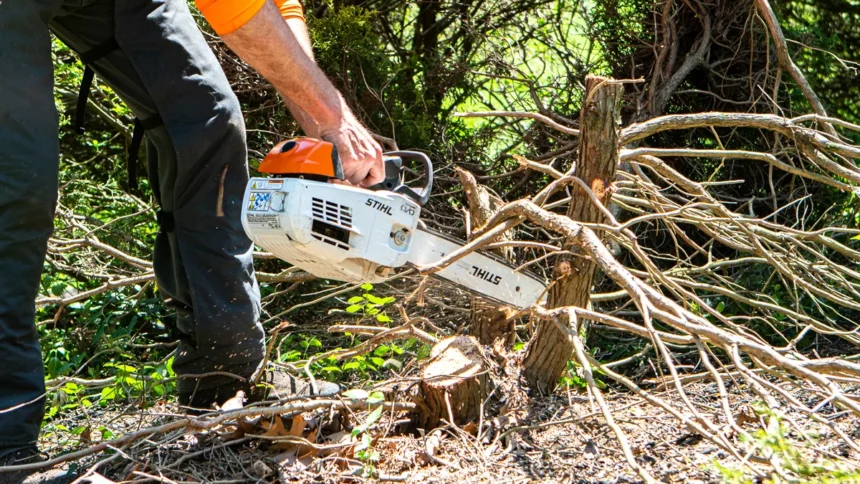
Personal safety is another important concern. Working with chainsaws, climbing equipment, and heavy materials requires experience and proper safety practices. Professionals understand how to manage these hazards and reduce the possibility of accidents.Additionally, improper removal methods can leave behind problems such as damaged roots, unstable stumps, or unnecessary landscape disruption. Expert services ensure that the process is completed correctly from beginning to end.
Benefits of Hiring Professional Tree Removal Services
Professional assistance provides several advantages when dealing with unwanted or hazardous trees. One of the biggest benefits is safety. Trained specialists understand tree behavior and use appropriate equipment to complete the job without unnecessary risks.
Another advantage is efficiency. Experienced crews can complete removal projects faster while minimizing disruption to the surrounding area. They know how to handle different tree sizes, locations, and conditions.
Professional services also help protect nearby property. Careful planning allows workers to control falling sections and avoid damage to structures or landscaping features.After removal, professionals can also provide additional services such as stump removal, cleanup, and recommendations for future landscape improvements. This creates a complete solution rather than leaving property owners with additional work.
The removal process begins with a thorough assessment. Professionals inspect the tree’s size, health, location, and surrounding environment. This evaluation helps determine the safest removal method.After planning, workers prepare the area by identifying potential hazards and setting up necessary safety measures. Depending on the tree’s condition and location, removal may involve climbing techniques, specialized machinery, or controlled cutting methods.Large trees are often removed in sections to maintain control and reduce risks. Branches are carefully removed first, followed by sections of the trunk. This approach allows professionals to manage heavy materials safely.
Once the tree has been removed, cleanup begins. Branches, wood pieces, and debris are cleared from the property. Additional services, such as stump grinding, may also be performed to restore the area.
Signs That a Tree May Need Removal
Recognizing warning signs early can help prevent dangerous situations. One common indicator is visible damage to the trunk, including large cracks, cavities, or areas of decay. These problems may suggest internal weakness.Dead or falling branches are another warning sign. Trees with significant amounts of dead wood may pose risks because branches can break unexpectedly.
Leaning trees should also be evaluated carefully. A sudden change in position may indicate root problems or structural instability. Even trees that appear healthy from a distance may have hidden issues below the surface.Other signs include fungal growth near the base, damaged roots, poor growth patterns, and repeated storm damage. Professional inspection helps determine whether removal is necessary.
After a tree is removed, proper landscape care is important. The remaining space can be restored through planting new trees, improving soil conditions, or redesigning the area.Stump removal is often an important part of the process. Remaining stumps can attract pests,create obstacles, and interfere with future landscaping projects. Removing them improves both safety and appearance.
Choosing suitable replacement plants helps maintain the environmental benefits trees provide. Professionals can recommend options that match the available space, soil conditions, and landscape design.Responsible planning ensures that tree removal does not negatively affect the overall appearance or health of the property.
The Importance of Regular Tree Inspections
Preventive care can help identify potential problems before they become serious. Regular inspections allow professionals to evaluate tree health, identify diseases, and recommend appropriate treatments.
Early detection can sometimes save a tree through pruning, support systems, or disease management. However, when a tree becomes unsafe, removal may be the most responsible choice.Routine evaluations are especially valuable for older trees or trees located near important structures. They provide peace of mind by helping property owners understand the condition of their landscape.
Similar to other important property services that require careful evaluation and professional work, such as repiping, tree care requires expertise to protect long-term property safety.Responsible tree removal involves more than simply taking down a tree. Professionals consider environmental factors and work to minimize unnecessary impact.
Recycling removed wood, protecting nearby plants, and planning replacement landscaping are all ways to maintain environmental responsibility. Many removed trees can provide useful materials rather than becoming waste.Professional services also understand local regulations and safety requirements related to tree removal. This helps ensure that the process follows proper guidelines.
Balancing safety needs with environmental awareness creates better outcomes for both properties and surrounding ecosystems.
Conclusion
Investing in professional tree services protects property value, improves safety, and maintains attractive landscapes. Healthy trees can continue providing benefits, while unsafe trees can be managed before they create serious problems.Professional evaluation helps property owners make informed decisions rather than relying on guesswork. Whether removal, pruning, or treatment is needed, expert guidance ensures the right approach.
A well-maintained landscape contributes to a safer and more enjoyable outdoor environment. Proper tree management is an important part of responsible property ownership.
Trees add beauty and value to properties, but there are times when removal becomes necessary to protect people, structures, and surrounding landscapes. Damaged, diseased, or unstable trees can create serious risks if they are not handled properly.
Professional tree removal provides a safe and efficient solution by using proper techniques, equipment, and experience. From initial inspection to final cleanup, expert services ensure that the process is completed responsibly.Just as essential property improvements like repiping protect important systems, professional tree care protects outdoor spaces and long-term property value. By addressing tree concerns early and choosing qualified professionals, property owners can maintain a safer, healthier, and more attractive environment.