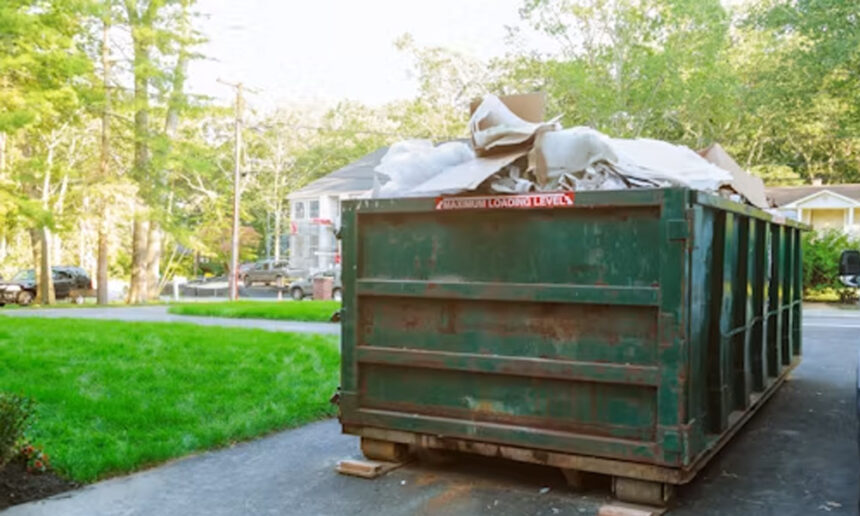
Renting a dumpster helps individuals manage projects that generate significant amounts of waste; this includes kitchen renovations and garage cleanouts. Before scheduling a dumpster rental, customers should make sure they understand the terms and conditions that accompany the rental agreement. These details outline key information about acceptable materials, weight limits, and delivery requirements. Here are several elements to review to help avoid unexpected issues and make the most of a dumpster rental:
Rental Periods
Start by reviewing the length of the rental period. A dumpster rental may be provided for a few days, a full week, or longer; this typically depends on the scope of the work and individual preference. Customers should schedule sufficient time to complete their renovation or cleanup project before the container is collected.
By understanding the rental timeline, consumers can schedule pickups and deliveries around their project. It also helps them coordinate demolition, construction, or cleanout activities within the determined rental period. Doing this can improve efficiency while reducing unnecessary delays.
Projects sometimes take longer than expected, causing homeowners to request additional rental time. Renovation projects may be delayed due to mid-project design changes or lack of supplies. Understanding the procedures to follow when extending the rental period helps keep the project progressing forward, and it makes sure all required procedures are followed.
Waste Types
Dumpster rentals can contain a variety of materials, including furniture, clothing, and remodeling waste, but they are not suitable for some materials. This includes:
- Radioactive materials
- Propane tanks
- Household cleaners
- Medical waste
- Medications
- Paint
- Tires
Rental agreements generally specify materials that may be disposed of and list prohibited items that require alternative disposal methods. Reviewing the terms and conditions helps support compliance with disposal requirements. Dumpster rentals may reserve the right to reject any collection material that is deemed a danger to their employees, equipment, or the general public; this includes flammable liquids.
Weight Capacities
Dumpsters vary in size and weight capacity to suit both commercial and residential needs. Consumers need the right size dumpster to accommodate their project’s waste and allow safe transportation. Consumers need the right size dumpster, and choosing a reliable dumpster rental San Diego provider can help accommodate their project’s waste while allowing safe transportation. Some available dumpster sizes include:
- 10-yard box
- 15-yard box
- 20-yard box
- 30-yard box
- 40-yard box
A 10-yard dumpster offers a capacity of 4,000 to 6,000 pounds and can be used for heavy materials, including bricks, concrete, and dirt. The 15-and 20-yard boxes are ideal for medium-to-large renovations and home cleanup projects, such as cleaning out an attic or basement. The 30-and 40-yard alternatives have sufficient room for extensive construction and remodeling projects; this includes building a new home. Customers can also reserve trash carts for smaller projects or events.
Reviewing the terms and conditions of a dumpster rental helps with choosing the right container size for the project. It can prevent overfilling the container or having to rent additional units. Overfilling causes issues during pickup, as debris extending above the top edge of the container creates transportation concerns. Dumpster rental companies highlight allotted weight or tonnage allowance; this helps customers stay within safe limits.
Placement Requirements
Dumpsters need to be placed in safe locations that offer access throughout the rental period. Customers should select an appropriate placement area before delivery to streamline their project. The area needs to be clear of overhead obstacles, vehicles, and other obstructions, as these could interfere with both the project and delivery process. It should also have enough clearance space for pickup once full while providing a stable surface for the container during use.
Additional local requirements or permits may apply if the container is placed on public property, such as an alleyway, sidewalk, or street. Municipalities sometimes issue permits to keep the dumpster from blocking public access or posing safety hazards. Some cities may also have specific size and time limits for rental dumpsters, while others require the containers to have reflective markings for visibility. Understanding these rules helps consumers stay compliant with local law.
Understand Dumpster Rental Terms
Reviewing the terms and conditions before scheduling a dumpster rental is a key step that helps you prepare for each stage of your project. To reduce confusion and support an efficient cleanup, learn about the rental period, accepted materials, loading guidelines, and placement requirements. Understanding the agreement contributes to a smoother experience, whether managing a roofing project or an estate cleanout. Contact a dumpster rental provider today to learn more.