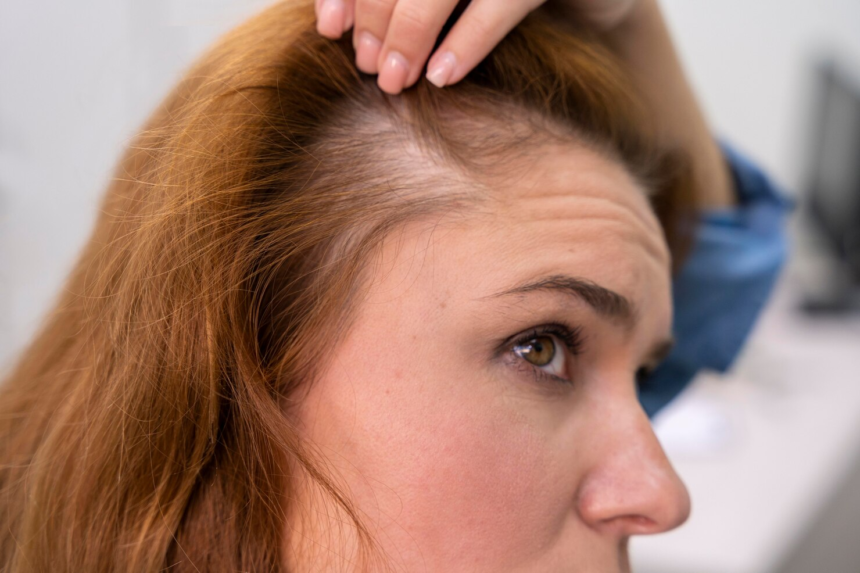
Hair loss is an issue that affects many individuals at various stages in life. Although some hair loss may be considered normal, when it starts being significant enough to make one’s hair look thinner, people may feel distressed and become insecure about their appearance. Fortunately, there are several ways through which this issue can be tackled, and solutions to the problem can be found.
Identify the Underlying Cause of Hair Loss
Before attempting any type of solution, it is best to know why there is hair loss in the first place. There are various reasons behind hair thinning, which include hereditary predisposition, hormones, poor nutrition, side effects from drugs, and stress. Various medical problems involving the thyroid gland and the immune system may also have an effect on the growth of hair. Discovering the root cause allows one to choose the methods that will work well in solving his/her hair problem. A consultation with a doctor or dermatologist can be very helpful in this regard through thorough examinations, reviewing medical history, and doing some blood tests if needed.
Consider Changes to Your Daily Hair Care Routine
The styling methods applied daily have an impact on the strength of the hair and cause needless breakage. Heat styling, aggressive brushing, tight hairstyles, and chemical treatments may gradually weaken each strand. Some changes will allow one to preserve their hair and avoid preventable breakage. Try to use mild shampoos, conditioners, and combs with wide teeth while untangling your hair. The reduction of blow dryer temperature and the avoidance of hairdos with great pressure on the scalp also matter. In addition, proper scalp care provides good conditions for the health of hair. While these changes won’t solve the problem of hereditary hair loss, they can contribute to the look and feel of the remaining hair.
Investigate Hair Grafting and Transplant Options
For individuals with more severe hair loss, there is yet another option in hair restoration surgery. Hair transplantation is done by transferring healthy hair follicles from an area on the head that acts as the donor site to areas of the scalp with thinning hair. In Australia, potential candidates for hair restoration surgery need to do their homework. Those exploring this option may choose to get a professional hair transplant in Sydney to ensure their suitability is properly assessed and the procedure is performed by an appropriately qualified practitioner. It is also important to understand that results develop gradually, and transplanted follicles do not prevent existing, non-transplanted hair from continuing to thin.
Explore Medically Approved Hair Loss Treatments
Several medical interventions are possible for those with chronic thinning and shedding of hair. Minoxidil is a common form of medicine known to promote the regrowth of hair and reduce hair loss in some forms. Other medications such as finasteride can also be suggested by healthcare providers based on specific cases. Nonetheless, these medical interventions have their advantages, drawbacks, and even side effects. Some need to be consistently used to enjoy their benefits, while others may not work well for all people. It is always important to consult with a doctor prior to engaging in any medical intervention, especially in the event of acute hair loss and other symptoms accompanying hair loss.
Improve Nutrition and Support Overall Hair Health
Nutrition and overall health can affect the hair growth process. Proper nutrition of hair follicles can create healthy hair, hence making proper nutrition a necessary factor. Protein, iron, zinc, and various vitamins are involved in the proper formation of hair. Some foods which contain the aforementioned nutrients are eggs, fish, green vegetables, beans, nuts, and whole grain products. Nutritional deficiencies and improper diets, on the other hand, may cause excessive hair loss. Keeping the body hydrated, dealing with stress, and ensuring proper sleep patterns can all help in maintaining overall good health. However, the consumption of supplements in cases where there is no deficiency does not do much good; some vitamins or minerals consumed in large amounts can even worsen the hair loss condition.
Explore Non-Surgical Cosmetic Solutions
However, not all those who suffer from alopecia are interested in undergoing treatment with medications and operations. Luckily, there are various other options that will help enhance your appearance and confidence level. Hair fibers, scalp concealer, volume builder, and an appropriate hairstyle will all be able to cover up your problem areas. In addition, high-quality wigs and hairpieces will be another option for those who have more extensive hair loss problems. Certain individuals may decide to consider scalp micropigmentation, which is a cosmetic treatment that involves using specific pigments to create the illusion of shaved hair follicles on one’s scalp. Even though such solutions will not help regrow your hair, they will definitely offer you some instant cosmetic changes.
Excessive hair loss can be difficult to deal with, but there are ways to help those concerned find solutions to their problem. Getting professional guidance and having realistic expectations will allow people to make wise choices when trying to solve their problems.