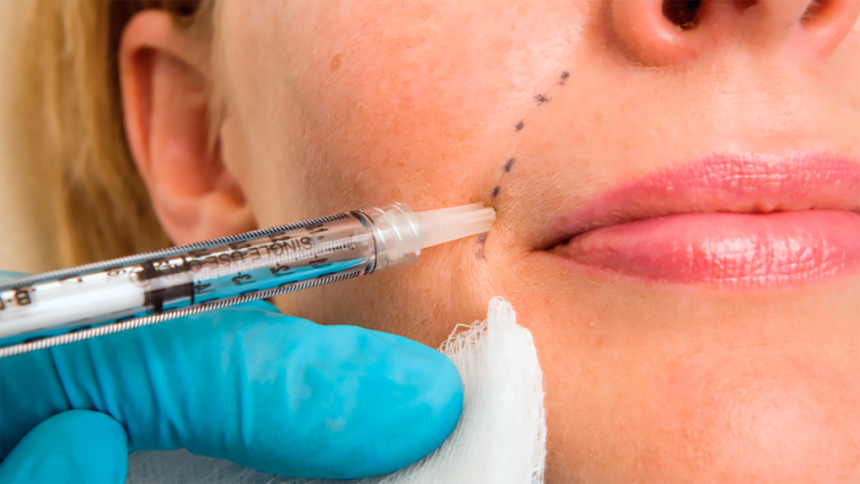
I’ll be honest with you. The first time I sat across from an injector and watched her draw up a syringe, I realized I had absolutely no idea what I had agreed to. I’d done the research, read the articles, scrolled through before-and-afters for longer than I care to admit. And still, the moment felt foreign. Slightly electric. A little terrifying.
That’s not a warning. That’s just the reality of doing something new to your face — which is, when you think about it, a fairly intimate act. Your face isn’t just a surface. It’s how the world reads you before you’ve said a single word.
If you’re considering facial fillers for the first time, there’s a version of this experience that goes smoothly, looks natural, and leaves you wondering why you waited so long. And there’s another version entirely. The difference between them comes down almost entirely to preparation, and to who you choose to trust with a needle near your cheekbone.
The consultation is doing more work than you think
Most first-timers treat the consultation like a formality. A box to check before the real appointment. That’s a mistake, and honestly one I almost made myself.
A good consultation is where you figure out whether your injector is actually listening or just nodding along politely while mentally planning their approach. A skilled injector will ask what’s bothering you, yes, but they’ll also push back sometimes. They’ll say “that area isn’t what I’d address first” or “let’s start conservatively and see how your tissue responds.” If every single thing you point to on your face gets an enthusiastic yes, pay close attention to that. It’s a red flag dressed up as reassurance.
Come with photos. Of yourself, not celebrities. Bring pictures from five or six years ago, from a time when you liked how you looked. That gives your provider something real and specific to work toward, rather than a fantasy version of someone else’s entirely different bone structure.
Questions worth asking at your consultation:
- What product are you using and why is it right for this area?
- How much filler are you recommending, and what does that look like on someone with my facial structure?
- What happens if I don’t like the result?
- Have you treated patients with my skin tone and face shape before?
What does the actual treatment feel like?
Fine. Honestly, it feels fine. Slightly uncomfortable in some spots, practically nothing in others, and the experience is less dramatic than most people expect, which is its own kind of relief. Most providers apply a topical numbing cream beforehand, and many fillers already contain lidocaine, so the first injection often numbs the surrounding area for everything that follows. The whole thing is usually done in under half an hour, which somehow makes it feel simultaneously more and less significant than you anticipated.
The part nobody adequately warns you about is the 24 to 48 hours after you leave the clinic.
Downtime is real, even when it’s not dramatic
You won’t look terrible. But you probably won’t look quite like yourself either, at least not immediately. Swelling, mild bruising, a strange firmness in the treated area — all of it is completely normal. Think of it like the filler is having a conversation with your tissue, and the tissue needs a moment to write back. Give it two full weeks before you form any strong opinions about the result. Seriously. Two weeks.
Here’s a quick look at what to expect in the first two weeks post-treatment:
| Timeline | What you might notice | What to do |
| Day 1-3 | Swelling, tenderness, possible bruising | Ice gently, avoid exercise and alcohol |
| Day 4-7 | Swelling decreasing, slight lumpiness possible | Avoid massaging unless instructed to |
| Week 2 | Most swelling resolved, shape becoming visible | Follow up with your provider if concerned |
| Week 4+ | Final result settling in | Reassess with your injector |
On safety, and why credentials aren’t just paperwork
This is the part that genuinely frustrates me about how the filler industry is sometimes marketed, because the stakes get quietly glossed over in favor of pretty Instagram content. Fillers are medical procedures. They involve needles entering your face in close proximity to nerves and blood vessels that do not forgive carelessness. Complications, while uncommon, can turn serious with startling speed, and the difference between a minor issue and a real crisis often comes down to whether the person holding the syringe knows how to recognize a vascular occlusion before it becomes something permanent.
Check credentials. Look specifically for licensed medical professionals: physicians, nurse practitioners, physician assistants, or registered nurses working under active physician supervision. Ask about their training in filler techniques specifically, not just their general licensure, because those are very different things.
Many patients start their search online, and when you’re looking up dermal fillers near me, it’s worth going considerably deeper than the top result. Scroll through the provider’s before-and-after portfolio with a critical eye. Read reviews that mention specific injectors by name. Pay attention to how the clinic communicates before you’ve even booked anything, because a place that makes you feel rushed or dismissed over email will not suddenly become attentive once you’re in the chair.
Less is almost always more, and I say this having learned it slowly
Something I’ve noticed over years of paying perhaps too much attention to this stuff: the patients who end up looking the most naturally, quietly refreshed are rarely the ones who went in wanting dramatic change. They went in wanting to look less tired. Less hollowed out. Like themselves, only rested. And a good injector honored that modest ask instead of upselling it into something bigger.
I’ve watched people chase results incrementally over years and still look entirely like themselves, just better. I’ve also seen people come back six months later, staring at their reflection like they’re trying to recognize a stranger. The difference is patience, restraint, and a provider who respects both.
Start small. Actually trust the two-week settling process instead of panicking at day three. And find someone who’d genuinely rather turn you away than overtreat you, because those injectors exist, they’re worth seeking out, and they’ll produce results you’re still happy with five years from now.