Introduction
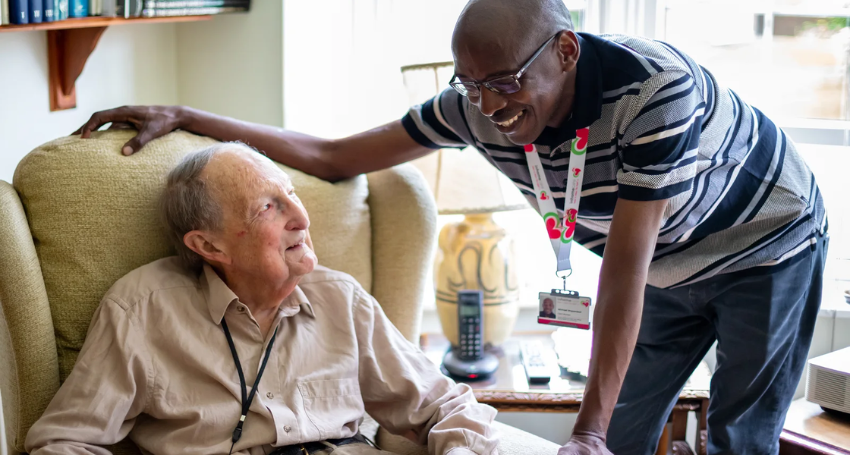
As people grow older, their needs often change, requiring additional support to maintain comfort, independence, and quality of life. Many elderly individuals prefer to remain in familiar surroundings rather than moving to unfamiliar care facilities. Elderly care at home provides a practical solution by allowing seniors to receive assistance while continuing to live in a comfortable and meaningful environment.
Home-based care focuses on supporting older adults with daily activities, personal needs, health management, companionship, and overall well-being. The level of support can vary depending on each individual’s condition, lifestyle, and preferences. Some seniors may only need occasional assistance, while others may require regular care with daily tasks and medical needs.
Providing proper care at home requires understanding the physical, emotional, and social needs of elderly individuals. A thoughtful approach helps create a safe environment where seniors can maintain dignity, independence, and a sense of connection. Families can benefit from professional guidance and structured care plans that ensure their loved ones receive appropriate support.
Understanding Elderly Care at Home
Elderly care at home refers to a range of supportive services designed to help older adults continue living safely in their own homes. These services may include assistance with personal care, household activities, medication reminders, mobility support, meal preparation, and companionship.
The main goal of home care is to help seniors maintain independence while receiving the assistance they need. Many elderly individuals value the ability to stay connected to their familiar surroundings, memories, and daily routines.
Home-based care can be customized according to individual requirements. Some seniors may need help only a few hours each week, while others may require ongoing support throughout the day. Personalized care plans allow families to choose services that match their loved one’s needs.
Unlike one-size-fits-all approaches, home care focuses on the individual. It considers personal preferences, health conditions, lifestyle choices, and emotional well-being to provide meaningful support.
Benefits of Receiving Care at Home
One of the biggest advantages of home care is comfort. Familiar surroundings can provide emotional security and reduce stress for elderly individuals. Staying in a known environment allows seniors to maintain their routines and remain close to important memories.
Home care also supports independence. Rather than taking complete control of daily activities, caregivers can provide assistance where needed while encouraging seniors to participate in tasks they can still manage.
Personalized attention is another important benefit. Care at home allows support to be tailored according to specific needs, ensuring that seniors receive appropriate help without unnecessary restrictions.
Companionship plays a major role in elderly well-being. Regular interaction with caregivers can reduce feelings of loneliness and provide valuable emotional support.Families also benefit from home care because it provides reassurance that their loved ones are receiving proper assistance. Professional support can reduce caregiver stress and help families balance other responsibilities.
Types of Services Provided in Home Care
Elderly care at home can include a wide range of services depending on individual needs. Personal care assistance is one of the most common services. This may involve support with bathing, dressing, grooming, and other daily activities.
Meal preparation and nutrition support are also important aspects of home care. Caregivers can help prepare balanced meals, encourage healthy eating habits, and assist seniors who have difficulty managing food preparation.
Medication support may include reminders and organization assistance. Proper medication routines are important for many elderly individuals managing multiple prescriptions.Mobility assistance helps seniors move safely around their homes. Caregivers may provide support with walking, transferring, and reducing the risk of falls.
Household assistance can include light cleaning, laundry, shopping, and other everyday tasks that may become more challenging with age.Companionship services focus on emotional and social well-being. Conversation, hobbies, and shared activities help seniors remain engaged and connected.
Safety is one of the most important aspects of elderly care at home. As mobility and balance may change with age, homes should be adjusted to reduce potential hazards.
Removing clutter from walking areas helps prevent trips and falls. Clear pathways allow seniors to move around more confidently.Proper lighting is also essential. Well-lit rooms, hallways, and stair areas make navigation easier and reduce accident risks.
Bathrooms often require additional safety considerations. Installing supportive features and making essential areas easier to access can improve comfort and security.Kitchen safety should also be considered. Organizing frequently used items within easy reach reduces unnecessary strain and prevents accidents.Emergency preparation is another important factor. Having accessible communication options and clear emergency plans helps seniors and caregivers respond quickly when needed.A safe home environment supports independence while reducing potential risks.
The Role of Caregivers in Elderly Support
Caregivers play a vital role in improving the daily lives of elderly individuals. Their responsibilities extend beyond completing tasks because they also provide emotional support and companionship.A good caregiver understands the importance of patience, respect, and communication. Every senior has unique preferences, experiences, and routines that should be respected.
Caregivers help maintain daily structure by assisting with schedules, meals, appointments, and activities. Consistency can provide comfort and stability for older adults.They also observe changes in behavior, mobility, or overall condition and communicate concerns to family members or healthcare professionals when necessary.
Emotional connection is another important part of caregiving. Many seniors benefit greatly from having someone who listens, interacts, and provides meaningful companionship.Professional caregivers help create a supportive environment where seniors feel valued and respected.Physical assistance is only one part of elderly care. Emotional and social health are equally important for maintaining quality of life.
Many seniors experience loneliness due to changes in family situations, retirement, mobility limitations, or loss of social connections. Regular interaction can help reduce isolation.Encouraging hobbies and interests allows seniors to remain engaged. Activities such as reading, gardening, music, crafts, or conversations can provide enjoyment and mental stimulation.Family involvement also plays an important role. Regular visits, communication, and shared activities help maintain strong relationships.
Caregivers can support emotional wellness by creating positive daily experiences and encouraging participation in meaningful activities.
A balanced approach that considers both physical and emotional needs creates more effective care.
Choosing the Right Home Care Support
Selecting suitable care support requires careful consideration of the senior’s needs and preferences. Families should first evaluate what type of assistance is required and how often support will be needed.Experience and training are important factors when choosing caregivers. Individuals providing care should understand elderly needs and demonstrate patience and reliability.
Communication is another important consideration. Families should feel comfortable discussing concerns, expectations, and changes in care requirements.Trust and compatibility also matter. A caregiver spends significant time with the senior, so a respectful and positive relationship is essential.
Regular evaluations help ensure that the care plan continues meeting the senior’s changing needs.Choosing the right support creates a safer and more comfortable experience for everyone involved.
Challenges in Elderly Care at Home
While home care offers many benefits, it can also involve challenges. One common challenge is adapting care as a senior’s needs change over time. Conditions may develop or progress, requiring adjustments to the level of support provided.
Family caregivers may experience stress when balancing caregiving responsibilities with personal and professional commitments. Additional support can help create a healthier balance.Communication challenges may also occur, especially when coordinating care between family members, caregivers, and healthcare providers.
Maintaining independence while providing necessary assistance requires thoughtful planning. Care should support the senior’s abilities rather than unnecessarily limit them.Addressing these challenges through planning and communication helps create a more effective care experience.
Conclusion
Consistent evaluation is important for successful elderly care at home. Regularly reviewing the care plan ensures that services continue matching the senior’s current needs.
Health changes, mobility concerns, and personal preferences should be monitored over time. Adjustments may be necessary to maintain comfort and safety.Encouraging healthy habits, social engagement, and mental stimulation supports overall well-being.Open communication between seniors, families, and caregivers creates a stronger support system.
Quality care is an ongoing process that evolves as circumstances change.
Elderly care at home provides a valuable way to support older adults while allowing them to remain in familiar and comfortable surroundings. With personalized assistance, seniors can maintain independence, receive necessary support, and enjoy a better quality of life.Effective home care focuses on more than daily tasks. It includes emotional support, companionship, safety planning, and respect for individual preferences. A thoughtful approach ensures that elderly individuals feel secure, valued, and connected.
By creating a safe environment, choosing reliable care support, and adapting services as needs change, families can provide meaningful care for their loved ones. Home-based elderly support offers a compassionate solution that promotes comfort, dignity, and well-being throughout the aging journey.