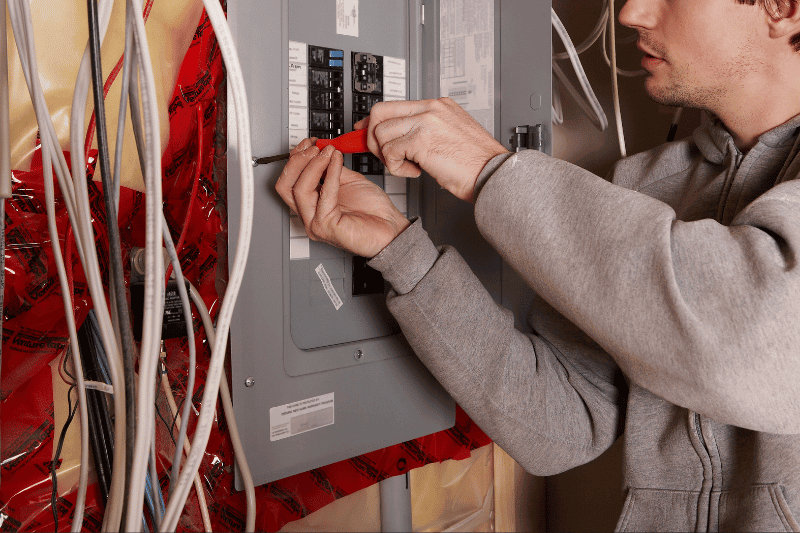
Home electrification can improve comfort, convenience, and energy use, but it also changes how much demand a house places on its electrical system. Adding appliances such as heat pumps, induction ranges, electric dryers, water heaters, or vehicle chargers can shift a home far beyond what its original panel was meant to support. Many homeowners focus on the new equipment itself, yet the panel behind the walls often determines whether those upgrades will work smoothly. An electrician matters because panel capacity is not just a number on paper. It affects safety, reliability, daily function, and the home’s ability to handle modern electrical use without strain.
Panel Capacity and Planning
- Why Electrification Can Outgrow the Existing Panel
As homes move away from gas-powered equipment and toward electric alternatives, the change often feels gradual at first. A homeowner might begin with one upgrade, such as a new heat pump or electric water heater, and later add an induction cooktop, laundry equipment, or charging equipment for an electric vehicle. Each improvement may seem manageable on its own, but together they can place a much heavier demand on the home’s electrical panel than the original system was built to carry. That is why an electrician is important early in the process. Panel capacity affects whether these upgrades can operate reliably at the same time without frequent breaker trips, uneven performance, or overloaded circuits. Older homes in particular may have panels sized for a very different era of household power use, when air conditioning, charging stations, and multiple large electric appliances were far less common. An electrician helps evaluate whether the current panel can still support the home’s evolving needs or whether the household is beginning to outgrow its electrical foundation in ways that are not yet fully visible.
- Why an Electrician Connects Equipment Choices to Real Capacity
Homeowners often think about electrification in terms of product selection, energy savings, or comfort improvements, but the actual success of those changes depends heavily on how the electrical system is prepared to support them. A larger electrical demand does not simply ask for more outlets or a few extra breakers. It requires an understanding of load calculation, panel space, service size, circuit distribution, and how multiple appliances may operate at the same time during normal daily life. An electrician is important because they connect the homeowner’s upgrade plans to the real capacity of the home rather than leaving those decisions to guesswork. A family in Portland considering electric heating, cooking, and vehicle charging may discover that the panel becomes a central part of the conversation long before installation day arrives. That kind of planning matters because even well-chosen appliances can create problems if the existing service is already near its limits. An electrician helps determine whether the panel can support the transition safely, whether a service upgrade is needed, and how to avoid building new electrification plans on top of an electrical system that is already under pressure.
- How Panel Limits Affect Safety and Everyday Reliability
Panel capacity is not only a technical detail for permits or installation paperwork. It directly affects how reliably and safely a home functions once electrification begins to increase the load. When a panel is undersized or already crowded, homeowners may start noticing flickering lights, nuisance breaker trips, warm breakers, or certain appliances that do not seem to perform consistently when other equipment is running. These signs can suggest that the home is being asked to carry more electrical demand than the system can comfortably handle. An electrician is important because they can identify whether those symptoms point to limited panel capacity, poor circuit distribution, outdated components, or a broader service issue that should be addressed before more equipment is added. This matters even more when electrification includes systems that homeowners rely on every day, such as space conditioning, cooking, hot water, and transportation charging. When multiple large electrical loads overlap in one household, the panel must do more than simply avoid failure. It must support dependable daily operation. An electrician helps make sure the home can meet those expectations without forcing the household to manage its appliances around the limits of an overburdened panel.
- Planning for Future Upgrades Instead of Reacting Later
One of the main reasons an electrician matters during home electrification is that the panel should be considered as part of a longer-term strategy, not only as a short-term obstacle. A homeowner may begin with one electrification project, but the larger goal often includes additional changes over time. If the panel is already close to capacity, each future upgrade becomes harder, more expensive, or more disruptive to install. An electrician helps homeowners look beyond the current appliance and think about the electrical path the home is likely to take over the next several years. That could include adding air conditioning, replacing a furnace, installing new kitchen equipment, or creating space for future charging needs. A thoughtful panel upgrade or service adjustment made at the right time can make those future projects smoother and more practical. Without that planning, homeowners may keep adding loads in a piecemeal way until the panel becomes a bottleneck that slows every improvement. An electrician helps prevent that situation by aligning today’s project with tomorrow’s needs, giving the home a stronger electrical base for continued modernization and more predictable performance as electrification expands.
Why the Panel Becomes Part of the Bigger Transition
Home electrification changes more than the appliances inside a house. It changes the electrical demands that the entire home must carry every day. That is why an electrician is important when panel capacity needs begin to shift. They help homeowners understand whether the current panel can support new loads, whether safety and reliability are at risk, and whether future upgrades should be planned now rather than delayed until problems appear. When electrification is matched with the right electrical support, the home is better positioned for comfort, efficiency, and long-term use. The panel is not separate from the transition. It is one of the main reasons the transition works.