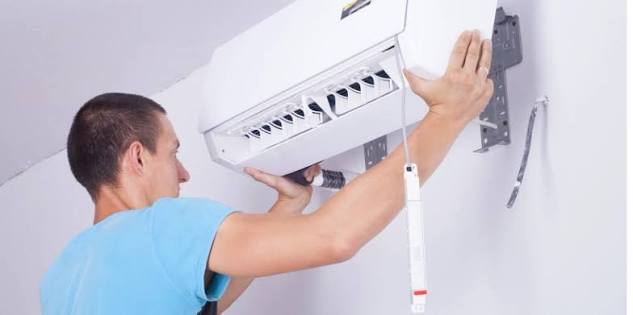
Air sealing can make a home feel more efficient, quieter, and less drafty, but it also changes the way heating and cooling systems interact with the indoor space. Once outside air no longer slips in as easily, the home may hold its temperature differently, trap humidity noticeably, and respond to airflow in ways the old setup was never designed to handle. That is why conditioning strategy matters after sealing work is done. A contractor helps homeowners understand how tighter construction affects comfort, equipment demand, ventilation, and temperature balance. Hence, the home continues to feel comfortable rather than simply more closed off.
offat Changes After Sealing
- Air Sealing Alters How Heat and Air Move Indoors
When a home has significant leaks around windows, doors, attic penetrations, and wall gaps, heating and cooling systems are often compensating for outside air entering all day. Once those leaks are reduced, the house begins behaving like a different environment. It may hold conditioned air longer, warm up more slowly in some seasons, and retain indoor moisture more noticeably because the natural exchange with outdoor air has changed. That shift is useful for efficiency, but it can also expose improvements in airflow, return design, and equipment sizing that were easier to overlook before the sealing work was completed. Rooms that once felt balanced may now respond differently, and areas that used to seem drafty may become stuffy if air circulation is not adjusted. An HVAC contractor becomes especially important at this point because the goal is no longer just to run the same equipment in a slightly tighter house. The goal is to understand how the new building conditions affect comfort from room to room and season to season, so the system can support the home rather than relying on outdated assumptions about how much air is needed to move through it.
- Existing Equipment May No Longer Match the Home as Well
Air sealing can improve efficiency, but it may also reveal that the current heating and cooling setup was designed around a leakier version of the home. If the equipment was oversized to compensate for constant air loss, it may now cycle in a different pattern and condition the space less evenly than expected. In cooling season, that can mean shorter run times with less moisture removal. During the heating season, it can mean less consistent temperature delivery from one area to another because the system’s old operating rhythm no longer fits the house as naturally. This is one reason contractor guidance matters so much after a sealing project. The issue is not always that the equipment has suddenly become wrong in every way, but that the context in which it operates has changed. A contractor can evaluate whether airflow, thermostat response, ventilation, or system staging should be adjusted so the home does not feel overly dry, overly humid, or uneven. Without that review, homeowners may assume air sealing will automatically improve comfort in every residence and become frustrated when the tighter home begins to reveal other performance issues that were previously masked by constant leakage.
- Ventilation and Humidity Become More Important in a Tighter House
A leakier home often exchanges indoor and outdoor air without anyone planning for it. Once air sealing reduces that exchange, indoor air quality and moisture control deserve closer attention. Cooking, bathing, laundry, and daily occupancy all add humidity and pollutants to the indoor environment, and a tighter building shell can make those effects more noticeable if ventilation is not considered part of the conditioning strategy. That’s why our guidance matters when sealing work changes how the house breathes. The role is not limited to heating or cooling output alone. It includes looking at whether the home now needs better fresh-air planning, more balanced airflow, or humidity support that fits the new conditions. A house can be energy-efficient and still feel uncomfortable if its energy-efficient features are used for too long, stale air builds up, or certain rooms stop receiving adequate circulation, and sealing the structure only provides an adequate picture of ventilation and indoor comfort. Once the home holds air more tightly, the way that air is moved, refreshed, and conditioned becomes more important. A contractor helps homeowners make decisions that support comfort and efficiency over time.
- Better Condition and Looking at the Whole House
One of the main reasons contractor guidance matters after air sealing is that comfort problems rarely come from one isolated part of the home. A tighter shell changes how insulation, ducts, returns, room layout, sun exposure, and equipment performance interact with one another. If airflow was weak before, it may feel even more noticeable after drafts are reduced. If one room always runs warmer because of window exposure or poor return air, sealing may improve part of the issue while leaving the deeper issue in place. A contractor helps you understand these whole-house conditions rather than assuming the solution is simply to lower the thermostat or keep the same settings year-round. This broader approach matters because homeowners often invest in sealing work to make the home feel better overall, not just to reduce outside air movement. The full benefit is more likely to show up when the conditioning strategy changes along with the building envelope. That can mean adjusting airflow, reviewing load assumptions, improving circulation, or rethinking how the system serves different parts of the home. A tighter house works differently, and the conditioning plan should reflect that difference rather than ignoring it.
Comfort Improves Most When the System Adapts Too
Air sealing can be a smart step toward a quieter, less drafty, more efficient home, but it also changes how the house should be conditioned. Once leakage is reduced, airflow patterns, moisture behavior, ventilation needs, and equipment performance can shift in ways that affect comfort. That is why guidance remains important after sealing work is done. By evaluating how the tighter home behaves, a contractor can help align heating, cooling, and air movement with the new conditions inside. When the system adapts along with the building shell, homeowners are more likely to enjoy comfort that feels balanced, consistent, and dependable.