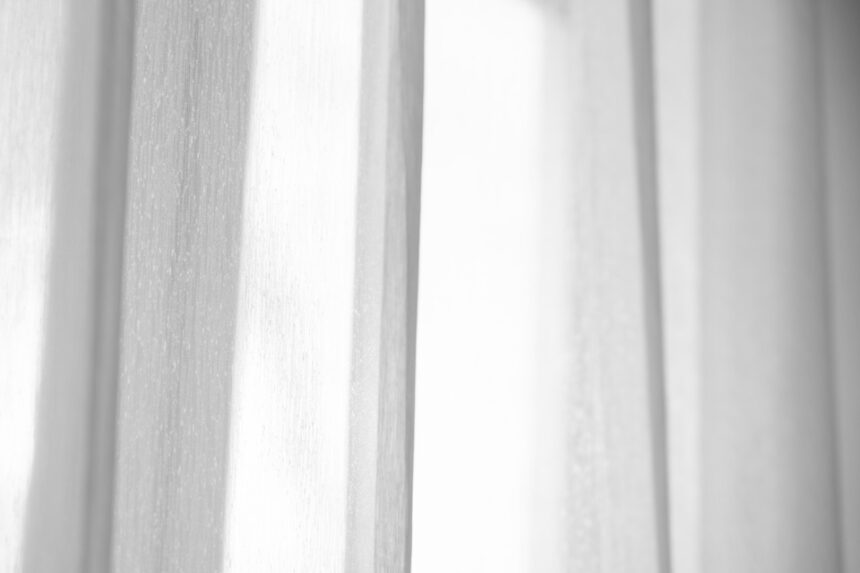
Modern homes often use simple forms, natural materials and uncluttered finishes, which makes texture an important part of the interior. Linen curtains fit naturally into this approach. Their woven appearance and relaxed drape soften windows without making a room feel overly formal.
They are also versatile enough to work across different interiors, from warm timber and stone to concrete, glass and painted finishes. Beyond appearance, the right curtain configuration can help manage daylight, privacy and the thermal performance of a window. The result depends on the fabric, lining, heading, fit and how the curtains are used.
Linen adds texture without overwhelming the room
One of linen’s most recognisable qualities is its visible woven texture. In a room dominated by smooth surfaces, such as plaster walls, glass, cabinetry or polished flooring, that texture can introduce softness without requiring bold patterns or decorative detailing.
This is particularly useful in modern interiors where a relatively restrained material palette is intentional. Curtains cover a large vertical area, so a heavily patterned fabric can quickly become a dominant feature. Linen provides visual interest in a quieter way through its weave, folds and interaction with natural light.
It is also worth distinguishing natural linen from linen-look fabrics. Different fibres and blends can produce a similar textured appearance while behaving differently in terms of weight, drape, maintenance and opacity. Choosing high-quality linen curtains, therefore, involves considering more than colour. Fabric composition, density and the way the material hangs all affect the finished result.
Linen curtains can soften daylight
Large windows and glazed doors bring natural light into a home, but unrestricted daylight is not always desirable. Bright sun can create glare, reduce privacy and make some rooms uncomfortable at particular times of day.
Lightweight linen curtains can diffuse incoming daylight rather than completely shutting it out. The fabric softens the visual contrast between a bright window and the surrounding room while maintaining a lighter, more open atmosphere. How much light passes through depends on factors such as weave density, thickness, and colour.
Where greater control is needed, layering becomes useful. A sheer or lightweight curtain can provide daytime filtering, while a separate blockout layer or blind can be used when stronger privacy or darkness is required.
This arrangement is particularly practical when a room’s needs change throughout the day. A living area may benefit from filtered daylight during daytime hours, while a bedroom generally requires greater control over light and privacy at night.
The right heading changes the character of the fabric
Fabric choice is only part of the curtain design. The heading determines how the material gathers and falls, which can substantially change the overall appearance.
Wave headings create regular, flowing folds and work particularly well across wide windows. Their clean repetition suits interiors with strong architectural lines. Pinch pleats create a more structured arrangement, while gathered styles produce a softer and more traditional effect.
The amount of fabric used also affects the result. Greater fullness creates deeper folds and a more substantial appearance. Less fullness produces a flatter treatment that may suit spaces where visual simplicity is the priority.
For that reason, the heading should be selected alongside the fabric rather than treated as a separate decision. A relaxed textile can appear quite tailored when carefully pleated, while the same type of material hung in softer folds can create a more casual result.
Full-length curtains influence how a room feels
Curtain placement can alter the perceived proportions of a room. Hanging curtains higher than the top of the window draws attention upwards and strengthens the vertical lines of the space.
Full-length curtains can also create a cleaner visual connection between the ceiling, window and floor. This approach is particularly effective around broad glazing or sliding doors, where short curtains can visually divide an otherwise continuous wall.
Width matters as well. Allowing sufficient space for curtains to stack beside the glass can preserve more of the window opening when the curtains are drawn back. In compact rooms, planning the stack position can make a noticeable difference to available daylight and access.
Accurate measurements are therefore important. Track position, ceiling height, floor level, window width and intended curtain length all influence how the finished treatment sits within the architecture.
Window furnishings can contribute to thermal comfort
Curtains are often selected for their appearance and privacy, but their placement relative to the window can also affect thermal performance.
A lightweight, loosely woven sheer has a different purpose from a heavier lined treatment. Where thermal performance is a priority, the complete window treatment matters, including fabric weight, layers, fit and gaps around the edges.
Weave, thickness, and colour affect how fabric handles sunlight
Two curtain fabrics that appear similar in a showroom may interact differently with strong sunlight.
A tighter weave leaves less open space between fibres, while thicker materials generally provide greater protection than thinner ones.
Ordinary curtains should not be assumed to have a particular UV protection rating unless they have been tested for that purpose.
The practical lesson is to consider the actual fabric rather than relying on the word “linen” alone. A loosely woven, pale, sheer fabric and a denser linen-look fabric may produce very different levels of light filtration.
Samples are particularly helpful here. Looking at a fabric against the actual window can reveal how transparent it becomes in daylight, how its colour changes under direct sunlight, and whether the weave provides the expected degree of privacy.
Neutral does not have to mean plain
Natural and off-white shades are closely associated with linen, but they are not the only choices for modern interiors. Warm greys, muted greens, soft blues and deeper earthy colours can introduce more definition while retaining the material’s textured appearance.
The surrounding finishes provide a useful starting point. Warm-toned timber may work well with oatmeal, stone or earthy shades, while cooler interiors can accommodate greys or subdued blue tones. Deeper curtain colours can also create deliberate contrast against pale walls.
Rather than matching every surface, it can be more effective to look for a relationship between materials. A curtain might pick up the undertone of flooring, complement timber joinery or provide a softer counterpoint to stone and concrete.
This helps the curtains feel integrated without requiring the room to rely on a single colour throughout.
Linen curtains suit modern homes because they balance form and function
The continuing appeal of linen curtains lies less in a single interior trend and more in their adaptability. Their texture adds depth to restrained rooms, while different weights, headings and layering arrangements allow the treatment to respond to practical requirements.
The best result comes from considering the whole window rather than selecting fabric in isolation. Light levels, privacy, window orientation, curtain position, fabric density and the way the room is used all influence the final choice.
For a modern interior, that considered approach allows linen to do what it does particularly well: soften architectural lines, introduce texture and frame natural light without competing with the rest of the room.