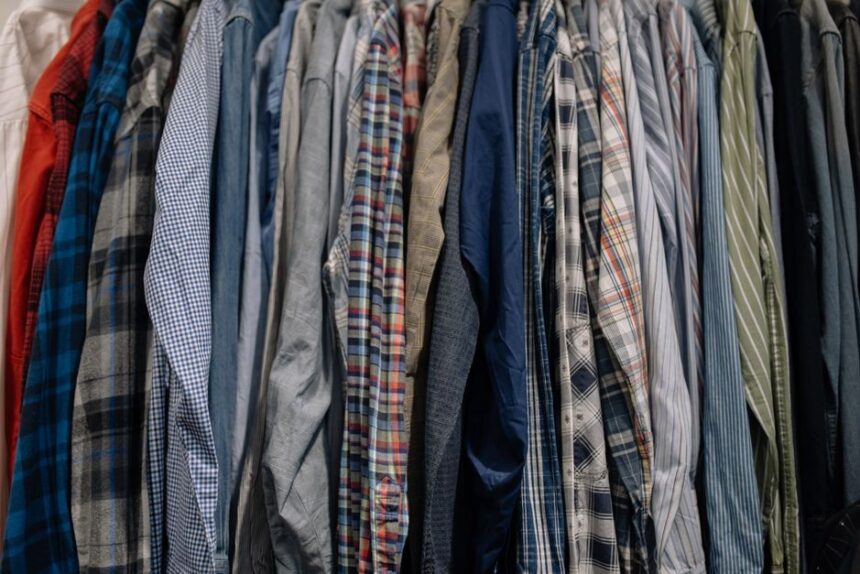
How you care for your dress shirts can make the difference between looking polished and looking like you slept in your office chair. A good shirt works hard for you. It shows up at interviews, dinners, weddings, and random Tuesdays when you just want to look pulled together. The good news is that shirt care doesn’t have to be fussy. Once you know what to watch for, you can keep your shirts crisp, clean, and ready to wear without turning laundry day into a dramatic soap opera.
Why Proper Shirt Care Matters
A dress shirt is one of those quiet wardrobe heroes that can make jeans look smarter and a suit look complete. If your shirt is clean, smooth, and well-shaped, people notice the overall effect even if they can’t explain why. If it’s dingy at the collar or limp at the cuffs, that also gets noticed. Shirts are sneaky like that.
This is where smart cleaning choices matter. Sometimes washing at home is fine. Other times, professional care helps protect the fabric and finish, especially if you wear the shirt often or need it to stay extra crisp. If you’re wondering when that makes sense, Hallak Cleaners offers practical insight on whether dress shirts should be dry cleaned and how often. Think of it as giving your shirt the support team it deserves.
Choose the Right Fabric
Not every shirt wants the same treatment. Cotton shirts are common because they’re breathable and comfortable, but they wrinkle easily and can shrink if you get too wild with hot water. Cotton blends are often easier to manage because they resist wrinkles a bit better and usually dry faster.
Linen shirts feel airy and cool, but they wrinkle very easily. That’s normal, not a personal insult. Performance fabrics, which often include stretch materials, can be great for busy days, but they may need gentler washing to keep their shape.
Your care label is basically the shirt’s tiny instruction manual. Check whether it says machine wash, hand wash, or dry clean. Also pay attention to how the fabric feels. If it’s crisp, delicate, or textured, don’t assume your usual laundry routine is the right fit.
Spot Signs of Wear Early
A shirt doesn’t have to be covered in spaghetti sauce to need cleaning. The usual problem spots show up first around the collar, underarms, and cuffs. Body oils, sweat, deodorant, and everyday dust all build up faster than you think. A shirt can look fine from across the room and still be telling a different story up close.
Smell is another clue. If the shirt has even a faint odor after one wear, it’s asking for help. Wrinkles that don’t smooth out, fabric that feels stiff, or a collar that starts to look gray are also signs you’ve waited too long. Ignoring those signals can wear the fibers down over time.
The trick is to catch problems early. A fresh stain is much easier to treat than one that’s been baked in by time and heat. Shirts have enough drama already. They don’t need permanent sweat maps either.
Choose the Right Cleaning Method
Home washing works well for many everyday dress shirts, especially sturdy cotton or cotton-blend options. Use cool or warm water, a mild detergent, and a gentle cycle. Skip overstuffing the machine. Shirts need room to move, not a wrestling match with your towels.
Hand washing can be useful for delicate fabrics or shirts with special details. It takes more effort, but it’s gentler and can help prevent stretching or rough wear. If your shirt is expensive, sentimental, or made from a fabric that seems fussy, hand washing may be worth it.
Professional laundering or dry cleaning can be the better choice, depending on the care label and the fabric. It’s also handy when you’re short on time and want a polished result. The best method depends on how often you wear the shirt, how sweaty your day gets, and how much structure you want afterward.
Extend the Life of Your Dress Shirts
A few small habits can stretch the life of your shirts in a big way. First, don’t wear the same favorites on repeat if you can help it. Rotating your shirts gives the fabric time to rest and reduces wear in the same spots.
Treat stains quickly. Dab, don’t rub, and avoid using hot water right away unless you know the stain type. Unbutton the shirt before washing so the fabric doesn’t pull oddly around the placket and collar. When the wash is done, remove shirts promptly so wrinkles don’t settle in like stubborn houseguests.
Use proper hangers instead of wire ones that can distort the shoulders. If you iron at home, do it while the shirt is still slightly damp for easier results. And don’t blast everything with high heat in the dryer. Shirts may survive, but they won’t exactly send you a thank-you note.
Create a Simple Shirt Care Routine
The easiest shirt-care plan is one you’ll actually follow. Start by sorting worn shirts at the end of the week. Check collars, cuffs, and underarms. If a shirt looks and smells fresh after a short wear, you may not need to clean it immediately. If it has visible grime or odor, deal with it then instead of letting it age like bad cheese.
Choose one laundry day or one drop-off day and stick to it. Keep stain remover nearby so you can act fast when life spills coffee on you. Hang cleaned shirts as soon as possible and group them by work, events, or casual use so getting dressed feels simple.
You don’t need a fancy system. You just need a steady one. A little attention each week keeps your shirts looking crisp, helps them last longer, and saves you from that last-minute panic when the only clean option has a mystery collar ring.