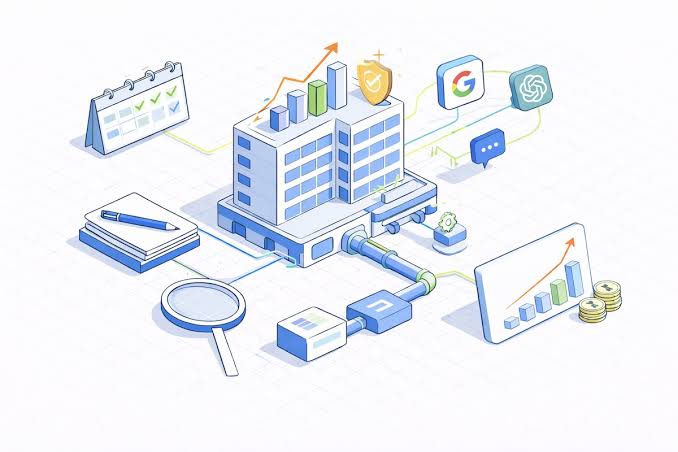
Ecommerce brands compete in a search environment that is becoming increasingly fragmented. Customers may begin product research on Google, browse marketplaces, read reviews, compare retailers, and now use AI-powered platforms such as ChatGPT, Gemini, Perplexity, and Microsoft Copilot to narrow down their options.
Generative engine optimization (GEO) helps ecommerce companies strengthen their visibility within these AI-generated experiences. Content marketing supports that effort by building the useful, authoritative information that helps brands become associated with relevant products, categories, and customer needs.
For ecommerce businesses, the strongest GEO strategies can combine product and category optimization, buying guides, comparison content, digital PR, technical SEO, entity development, original research, and ongoing monitoring of brand visibility across AI platforms.
The right partner should understand both search and the complexities of online commerce. Here are seven of the best AI search optimization companies offering GEO and content marketing expertise for ecommerce growth.
1. Grow and Convert
Grow and Convert takes a content marketing approach centered on business intent rather than traffic volume alone. That philosophy can be particularly useful for ecommerce companies that want content investments to support actual product discovery and revenue.
Instead of targeting every possible informational keyword, ecommerce brands can prioritize content closely connected to customer decisions. Buying guides, product comparisons, alternatives, category education, and problem-solution content can attract shoppers who are closer to making a purchase.
This approach also aligns with GEO. Consumers increasingly ask AI platforms questions such as which product is best for a specific use case, how two options compare, or which brands offer certain features. Content that directly addresses these high-intent questions can improve a retailer’s relevance throughout the research process.
Grow and Convert can be a strong choice for ecommerce companies that want content strategy tied closely to conversions rather than vanity metrics.
2. Tinuiti
Tinuiti brings extensive experience in ecommerce, retail media, marketplaces, and digital customer acquisition. That commerce expertise makes it particularly relevant as AI-powered discovery becomes another touchpoint within the online shopping journey.
Ecommerce GEO should not exist separately from the rest of the retail ecosystem. A customer may discover a product through generative search, compare options on Google, read marketplace reviews, and ultimately purchase through a retailer or brand website.
Tinuiti’s understanding of these interconnected channels can help ecommerce companies consider how content and AI visibility fit alongside broader commerce objectives.
For larger retailers with sophisticated marketing programs, the agency can be especially useful when GEO needs to complement retail media, paid search, marketplace strategy, and existing customer data.
3. NP Digital
NP Digital combines GEO, SEO, content marketing, digital PR, technical optimization, and analytics to help ecommerce brands strengthen visibility across both traditional and AI-powered search.
This integrated approach can be particularly valuable for retailers because ecommerce visibility depends on much more than individual product pages. Brands need clear category authority, useful informational content, strong technical foundations, and credible external references that reinforce their expertise.
NP Digital can analyze how ecommerce brands appear for commercially relevant AI prompts, including product recommendations, category searches, comparisons, and broader shopping questions. Competitive analysis can identify which retailers or products are being surfaced more frequently and which sources appear to influence those responses.
From there, brands can strengthen category content, optimize existing resources, create new educational assets, improve entity signals, and build third-party authority through digital PR.
For enterprise ecommerce organizations, NP Digital’s ability to work across large websites and international markets can also be valuable. GEO initiatives can be integrated with existing organic search and content programs rather than managed as a separate channel.
4. Power Digital
Power Digital combines content, data, customer intelligence, and performance marketing to help brands improve acquisition and growth. Its broader understanding of customer behavior makes it an interesting option for ecommerce companies exploring GEO.
AI search visibility is most valuable when it reaches customers at meaningful points in the buying journey. Power Digital’s customer-focused approach can help retailers identify which audiences, questions, and product categories deserve the greatest investment.
For example, an ecommerce company may discover that consumers use AI heavily for category research but still rely on traditional search or marketplaces closer to purchase. Understanding these patterns can help marketers determine which types of GEO content are most likely to influence consideration.
Power Digital can be a good fit for ecommerce brands looking to connect content and AI discoverability with broader customer acquisition and retention strategies.
5. Siege Media
Siege Media specializes in content-led SEO and authority building. Its team creates research, buying resources, guides, tools, and other assets designed to attract links and establish expertise around competitive topics.
For ecommerce brands, this can help expand visibility beyond product and category pages.
A retailer selling home products, for example, might develop detailed buying guides, original research about consumer preferences, or educational resources around choosing products for specific needs. These assets can attract links and references while also building authority around the categories the retailer wants to own.
That authority can contribute to GEO by giving AI platforms a stronger body of information connecting the brand with relevant topics.
Siege Media is particularly useful for ecommerce companies that already have large product catalogs but want stronger informational content and external authority supporting those commercial pages.
6. Reboot Online
Reboot Online combines SEO and digital PR, which can make it a valuable partner for ecommerce companies trying to strengthen their presence across third-party sources.
Owned content matters for GEO, but customers and AI platforms also encounter brands through publications, reviews, editorial recommendations, industry websites, and other external sources.
Digital PR can help ecommerce brands generate coverage around original research, consumer trends, product expertise, and timely industry topics. These mentions can increase awareness while reinforcing associations between the retailer and the categories in which it competes.
For brands that already produce substantial amounts of content but lack strong external recognition, Reboot Online can provide a complementary authority-building strategy.
7. Croud
Croud is particularly well suited for ecommerce companies pursuing international growth. Its global delivery model combines centralized strategy with specialists who understand local audiences, languages, and digital environments.
Shopping behavior can vary considerably between countries. Customers may use different terminology, prioritize different product features, rely on different publishers, or prefer different marketplaces.
Generative search visibility can vary in the same way. A brand may be frequently recommended in one region while barely appearing in another.
Croud can help ecommerce organizations account for these differences by adapting content and GEO strategies to individual markets while maintaining consistent global positioning.
For multinational ecommerce companies, that combination of centralized oversight and regional expertise can be especially valuable.
Why GEO and Content Marketing Matter for Ecommerce Growth
Ecommerce content has traditionally served several purposes: attracting organic traffic, educating customers, supporting product discovery, and improving conversion rates.
Generative search adds another.
Consumers can now ask AI platforms to recommend products, compare brands, summarize features, explain tradeoffs, and identify options that fit specific budgets or preferences.
That means ecommerce companies need to establish authority not only for direct product searches but also for broader questions surrounding the purchase.
A retailer selling running shoes, for instance, may want visibility when users ask about the best shoes for flat feet, differences between cushioning technologies, recommended shoes for beginner runners, or alternatives to a popular model.
Content that addresses these questions can help establish relevance earlier in the purchasing journey.
What Ecommerce Content Can Support GEO?
Product and category pages remain essential, but GEO creates opportunities for a wider range of ecommerce content.
Buying guides can help customers understand which products are right for specific needs. Comparison pages can address differences between models, categories, or brands. FAQs can answer detailed questions about materials, sizing, features, compatibility, or maintenance.
Original research can provide another advantage. Consumer surveys, proprietary sales insights, trend reports, and product data can create unique information other websites may want to reference.
Educational resources can also help establish topical authority. A retailer should aim to become a useful source of information about its broader category, not simply a place where products are sold.
Retailers should also optimize existing content before assuming they need to create everything from scratch. Older buying guides may need updated recommendations, better structure, stronger expert input, or more detailed answers to current customer questions.
Why Third-Party Visibility Matters for Ecommerce GEO
Customers rarely evaluate products based solely on information published by the seller.
They read reviews, browse editorial recommendations, consult communities, visit comparison websites, and look for expert opinions.
That makes third-party visibility especially important for ecommerce brands.
Digital PR can help retailers earn coverage from relevant publications. Original research can generate citations. Expert commentary can establish category knowledge, while product reviews and legitimate editorial mentions can increase the amount of independent information surrounding a brand.
The goal is to create a consistent digital footprint.
If a retailer claims expertise in one category on its own website but receives little recognition elsewhere, its overall authority may be weaker than a competitor that appears consistently across trusted external sources.
How Ecommerce Brands Can Measure GEO Performance
Traditional ecommerce metrics remain important, including organic traffic, conversion rates, revenue, average order value, and customer acquisition cost.
GEO introduces additional measures.
Brands can track how frequently they appear for product recommendation prompts, category questions, comparisons, and other non-branded searches. AI share of voice can reveal whether competitors are being recommended more frequently.
Citation analysis can identify the sources influencing those answers. This can help marketers discover publications, review websites, or resources where competitors have stronger visibility.
Brands should also monitor individual products and broader company visibility separately. An AI platform may recognize a popular product without consistently recommending the retailer behind it.
Referral traffic from generative platforms can provide another useful signal as AI tools increasingly send users directly to product and informational pages.
Choosing the Right GEO and Content Marketing Agency
Ecommerce brands should evaluate agencies based on where their biggest visibility gaps exist.
Retailers with large catalogs may need stronger technical SEO and site architecture. Brands with weak category authority may prioritize content. Companies with limited third-party recognition may need digital PR.
International retailers should consider localization capabilities, while organizations with sophisticated marketing programs may prioritize analytics and AI visibility measurement.
Agencies should also understand ecommerce economics. Increasing mentions in AI answers is useful, but long-term success should contribute to broader objectives such as customer acquisition, product discovery, revenue, and market share.
The strongest GEO partners will help connect AI visibility with the entire ecommerce journey rather than treating it as a standalone metric.
Building Ecommerce Authority for AI-Powered Shopping
Generative AI is giving consumers another way to move from a broad need to a shortlist of potential products. A shopper can now ask for recommendations, compare several options, and learn which features matter without visiting multiple search results individually.
Ecommerce companies that provide clear product information, publish authoritative category content, earn credible third-party recognition, and maintain strong technical foundations can be better positioned to appear during these interactions.
The right GEO and content marketing agency can help retailers identify where competitors currently have an advantage, strengthen the content surrounding important product categories, and build a more authoritative presence across the wider web.
As AI becomes more influential in product research, those investments can help ecommerce brands remain discoverable wherever the shopping journey begins.