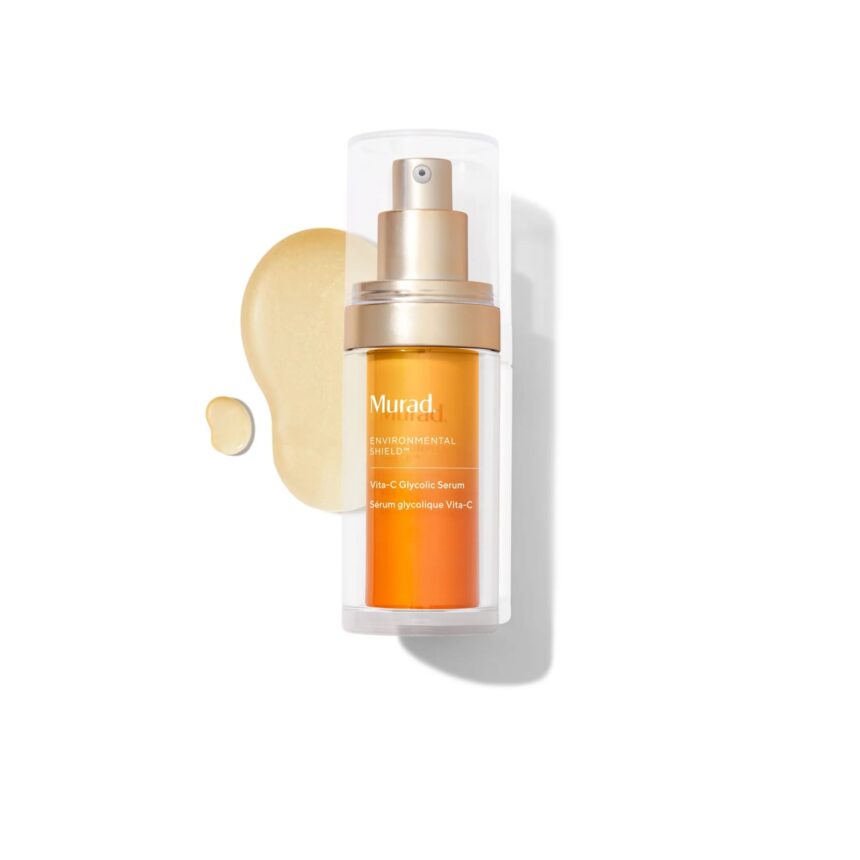
The best vitamin C serum is one that matches your skin concerns, tolerance and daily routine. Look at the type of vitamin C, supporting ingredients, formulation and skin suitability. A high percentage alone does not tell you how well a serum is formulated or whether your skin will tolerate it.
Topical vitamin C acts as an antioxidant and is commonly used to address uneven pigmentation and visible signs of photoageing. A 2023 systematic review published in the Journal of Cosmetic Dermatology found improvements in pigmentation and skin appearance across the studies reviewed. The authors noted that longer-term use may be needed and that further research is required to determine an ideal concentration.
Knowing what to check on a product label can make choosing a suitable serum much easier.
Start With the Skin Concern You Want to Address
Your main skin concern gives you a practical starting point for comparing vitamin C serums. Common reasons for using topical vitamin C include dullness, uneven skin tone, pigmentation, and visible signs of sun-related skin ageing.
Vitamin C has antioxidant activity and is involved in collagen synthesis. Clinical studies have also investigated its topical use for photoageing and pigmentation. Individual products, however, vary in their formulations and intended uses.
Consider which concern matters most to you:
- Dullness: look for a formula focused on radiance and surface texture.
- Uneven pigmentation: consider products formulated to address visible dark spots and uneven tone.
- Dryness: check for hydrating ingredients alongside the active ingredients.
- Visible photoageing: choose a formula that can be incorporated comfortably into a consistent skincare routine.
Defining your priority helps narrow the options before you begin comparing ingredient percentages or product claims.
Check the Type and Formulation of Vitamin C
“Vitamin C serum” describes a product category, not a single formulation. Different products can use different forms, stabilisation methods and supporting ingredients.
L-ascorbic acid is one of the most extensively researched forms of topical vitamin C. Vitamin C can also present formulation challenges because exposure to factors such as light, air and heat may affect the stability of certain forms.
Some skincare formulations use stabilisation technologies to help protect vitamin C against oxidation. Gold-stabilised vitamin C is one example used in topical products.
This is useful to understand when comparing the best vitamin C serum options. Check the ingredient information and formulation details to identify the vitamin C technology used and any other active ingredients included.
Some formulas combine stabilised vitamin C with glycolic acid. Glycolic acid is an alpha-hydroxy acid that exfoliates the skin’s surface, making this type of combination suitable for formulas designed to address dullness, uneven tone, and texture.
Concentration Is Only One Part of the Formula
The percentage of vitamin C can be useful information, but it should be assessed alongside the rest of the formulation when choosing the best vitamin C serum.
A 2023 systematic review examining topical vitamin C for melasma and photoageing found that the available evidence does not establish a single ideal concentration. This means that a larger percentage should not be automatically interpreted as evidence of greater effectiveness.
How vitamin C is formulated and delivered also matters. Supporting ingredients can affect the product’s purpose, and the finished formula must be suitable for regular use.
Skin response provides another useful guide. Persistent redness, burning, or irritation may indicate that the product, the frequency of use, or the combination of active ingredients does not suit your skin.
Follow the directions supplied with the serum, particularly when introducing a stronger active formula for the first time.
Look at Supporting Ingredients
Supporting ingredients help determine what else a vitamin C serum can do for the skin.
Glycolic acid, for example, exfoliates by helping loosen dead cells at the skin’s surface. Combining glycolic acid with vitamin C can therefore address surface dullness and uneven texture, while also providing the antioxidant benefits of vitamin C.
Because glycolic acid is an exfoliating agent, some people may experience temporary tingling or irritation. Check whether your existing routine already contains exfoliating acids, retinoids or other active ingredients before adding another exfoliating product.
Hydrating ingredients may be more relevant for dry or dehydrated skin. Humectants such as glycerin and hyaluronic acid attract water and can help support skin hydration.
When reading a serum label, ask:
- Which form of vitamin C is used?
- What do the supporting active ingredients do?
- Does the overall combination match my skin concern?
Evaluating the whole formula provides more useful information than focusing on a single headline ingredient.
Match the Serum to Your Skin Type
Skin type can help determine which formulation and texture will fit comfortably into your routine.
Dry skin may benefit from hydrating ingredients alongside vitamin C. A moisturiser can then be applied after the serum to support hydration.
Oily or combination skin may suit lightweight formulas that layer easily beneath other daytime products.
Sensitive skin requires closer attention to the combination of active ingredients. Products containing vitamin C plus an exfoliating acid may be less comfortable for some people with sensitive skin.
Introduce unfamiliar active products gradually and consider patch testing before wider application. Adding one new active product at a time also makes it easier to identify the cause if irritation develops.
People with persistent irritation or an existing skin condition should seek personalised guidance from a dermatologist or another appropriately qualified healthcare professional.
Pay Attention to Packaging and Storage
Vitamin C stability can be affected by environmental exposure, so packaging and storage deserve attention.
Light, heat and air can contribute to oxidation of some vitamin C formulations. Stabilisation technologies and packaging designed to reduce unnecessary exposure can help maintain the formulation during normal use.
Follow the serum’s storage instructions and avoid exposing it to excessive heat or direct sunlight unless the directions specify otherwise.
Also watch for substantial changes in colour, odour or consistency after opening. Vitamin C products naturally vary in appearance, so use the serum’s original condition as the reference point.
These simple storage habits help preserve the product under its intended conditions.
Use Vitamin C With Daily Sun Protection
A morning vitamin C routine can be kept simple:
- Cleanser
- Vitamin C serum
- Moisturiser, if needed
- Broad-spectrum sunscreen
Vitamin C does not replace sunscreen. This distinction matters for people using skincare to address pigmentation or visible sun-related ageing.
Healthdirect recommends using sun protection when the UV Index is forecast to reach 3 or above in Australia. Sunscreen should be used alongside other appropriate sun-protection measures and reapplied according to its directions when outdoors.
Follow the serum’s application instructions as well, since the recommended frequency can vary by formulation.
Conclusion
Choosing the best vitamin C serum comes down to matching the product to your skin rather than seeking the highest percentage. Identify your main concern, check the vitamin C formulation, assess the supporting ingredients and choose a product appropriate for your skin type.
Evidence supports topical vitamin C as an option for concerns such as uneven pigmentation and visible photoageing, but research has not established a single concentration as universally ideal.
Pair your serum with suitable hydration and daily sun protection, and follow its directions for use and storage. These criteria provide a practical way to compare vitamin C serums without relying on exaggerated claims or concentration alone.