You want a clean outfit photo without booking another shoot, steaming clothes, matching light, or spending an afternoon in Photoshop. I’ve edited fashion, creator, and product-style images both ways: with manual retouching and with tools like EasyFaceSwap. The right choice depends on what you need the image to do. A quick social post, a mockup for a client, and a paid catalog image all have different standards.
AI outfit tools have made this choice less obvious. A good ai clothes swap can replace a shirt, dress, jacket, or full outfit in seconds, and the result is often good enough for content planning, ads testing, or personal photos. Traditional outfit photo editing still gives you more control, but it takes more time and skill. The real question isn’t which one is “better.” It’s which one fits your goal, budget, timeline, and quality bar.
AI Clothes Swap Overview
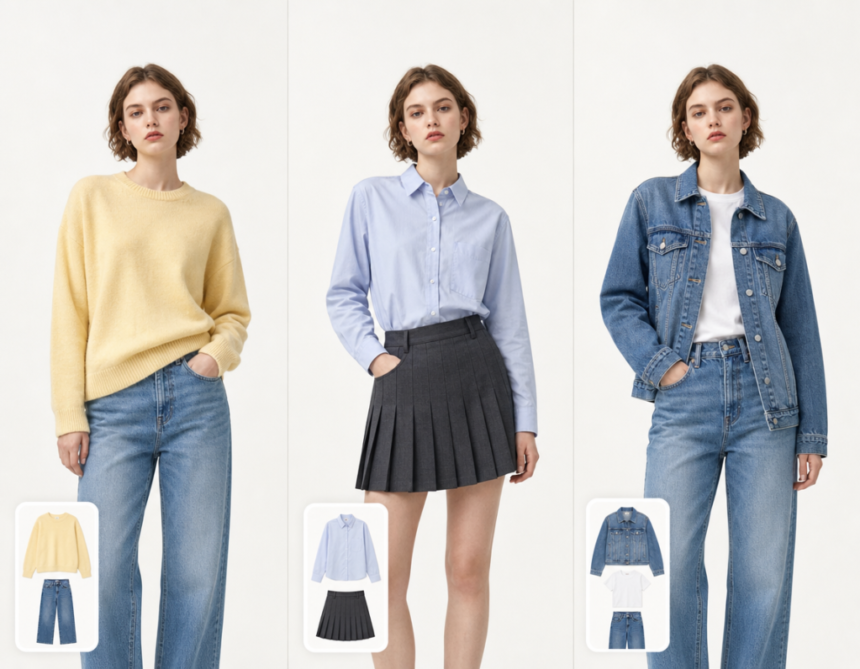
AI clothes swap tools use image generation and masking to replace the clothing area while keeping the person, pose, and background mostly intact. In practice, you upload a photo, choose or describe a new outfit, and let the tool rebuild that section of the image. The best results usually come from clear front-facing photos, simple poses, visible body shape, and decent lighting.
The biggest advantage is speed. I’ve used AI clothing swaps to test five outfit ideas before a shoot, and it saved me from packing looks that didn’t match the model’s pose or the campaign mood. It’s also useful when a creator wants to see how a jacket, color, or style might look without changing clothes. For early concept work, that speed matters more than pixel-level perfection.
The key features are usually automatic garment detection, prompt-based outfit changes, style transfer, and background-aware blending. Some tools let you upload a reference outfit, which can help when you need a specific look. That said, AI can still struggle with crossed arms, loose fabric, hands touching clothing, reflective materials, logos, and fine details like lace or stitching. If the original image has motion blur or harsh shadows, the output can look less believable.
The pros are clear: low cost, fast turnaround, easy testing, and no advanced editing skills required. It also opens creative options for people who don’t have access to a stylist, studio, or large wardrobe. The cons are about control and consistency. You may get a strong result on one image and a strange sleeve, collar, or hemline on the next. If you need a product to look exactly like a real garment, AI can invent details, and that can be a problem.
AI clothes swap is best for social media creators, fashion mood boards, dating profile refreshes, ad concept testing, ecommerce pre-visuals, and personal style experiments. It’s also helpful for small teams that need to move fast and don’t have an editor on call. I wouldn’t treat it as a full replacement for professional retouching when the image must represent an exact product, fit, brand logo, or fabric.
Traditional Outfit Photo Editing Overview
Traditional outfit photo editing relies on manual tools like masking, compositing, color correction, liquify, frequency separation, dodge and burn, and shadow reconstruction. Instead of letting AI invent the outfit, an editor builds the change layer by layer. That might mean cutting clothing from another photo, warping it to fit the body, painting missing folds, matching grain, and adjusting light so it sits in the scene.
This method takes longer, but it gives much tighter control. When I’ve worked on product-style fashion images, manual editing was the safer route because the client cared about seam placement, fabric texture, and the real shape of the garment. Even small errors could make the item look misleading. A human editor can make judgment calls that AI often misses, like preserving the natural pull of fabric at the shoulder or keeping shadows consistent under a coat.
The key features of traditional editing are precision, repeatability, and detail control. An experienced editor can match brand color, clean wrinkles without making fabric look plastic, and keep body proportions natural. They can also decide what not to change, which is a big part of believable retouching. Good manual editing often feels invisible because nothing jumps out as “edited.”
The pros are quality, accuracy, and control. Traditional editing is still the stronger choice for final campaign images, luxury fashion, marketplace listings, lookbooks, and any image where trust matters. The cons are cost, time, and skill. A single complex outfit change can take hours, especially if the new clothing source photo doesn’t match the pose or lighting. If you need many variations quickly, the process can get expensive.
Traditional outfit editing is best for brands, photographers, agencies, and sellers who need a polished final image. It’s also best when there’s legal or customer risk tied to visual accuracy. If the photo is meant to sell an exact dress, coat, or uniform, manual editing gives you the best chance of staying honest and consistent.
Side-by-Side Summary
The difference becomes easier to see when you compare them by outcome, not by hype. AI clothes swap wins when you need speed and creative range. Traditional editing wins when you need control and final-image confidence. Most serious workflows now use both, with AI for exploration and manual editing for the final pass.
| Factor | AI Clothes Swap | Traditional Outfit Editing |
|---|---|---|
| Speed | Usually seconds to minutes | Often hours per image |
| Skill needed | Low for basic results | Medium to high |
| Control | Good for broad style changes | Strong for exact detail |
| Best use | Concepts, content, quick tests | Final ads, catalogs, brand images |
| Main risk | Inaccurate or invented details | Higher cost and slower delivery |
One thing I’ve learned is that “realistic” doesn’t always mean “accurate.” An AI outfit can look believable at a glance while still having fake buttons, odd seams, or fabric that wouldn’t fall that way in real life. For a TikTok thumbnail or outfit idea, that may be fine. For a product page, it can create trust issues.
Traditional editing has its own limits. If the source images are poor, even a skilled editor can’t perform magic. A jacket photographed from the front won’t wrap perfectly around a model turned sideways without heavy reconstruction. Manual work is strongest when the editor has clean source files, matching angles, and enough resolution to preserve detail.
Cost also changes the decision. AI tools are usually cheaper per image, especially if you’re creating many versions. Traditional editing costs more because human time is the main expense. But if one strong image will be used in paid ads, packaging, or a major campaign, that extra cost can be easier to justify.
Consistency is another key point. AI can be surprisingly strong for one-off images, but batch consistency is harder. If you need the same outfit to appear across ten poses, the tool may alter the cut, texture, or color slightly each time. A manual editor can build a more controlled look across a full set, though it takes planning and time.
Final Recommendation
Use AI clothes swap when you need speed, variety, and low friction. It’s the better choice for brainstorming looks, testing colorways, creating social content, or previewing a style before committing to a shoot. It’s also a smart option for solo creators and small teams who need good-looking images without hiring a retoucher for every idea. Just review the output closely, especially around hands, collars, waistlines, and fabric edges.
Choose traditional outfit photo editing when the image must be accurate, polished, and ready for commercial use. If the clothing represents a real product, the safer path is manual editing with proper source images. It gives you more control over fit, texture, shadows, and brand details. It also makes it easier to maintain a consistent look across a full campaign.
My practical recommendation is to treat AI as the first draft and traditional editing as the finishing room. Start with AI to explore outfits, narrow the creative direction, and spot what works visually. Then, if the image has real business value, hand the best version to a skilled editor for cleanup or rebuild it manually from reliable source material.
For casual users, AI clothes swap will often be enough. For brands, it’s a powerful planning tool, but not always the final step. The best choice is the one that matches the job: fast and flexible for ideas, careful and controlled for final images.