Sedalia’s humid summer afternoons can expose small weaknesses in an air conditioner long before the system actually stops working. A unit that once cooled steadily may begin cycling frequently, blowing lukewarm air, or leaving a small puddle near the furnace. These symptoms are not random. They often point to specific parts of the cooling system, such as the evaporator coil, condensate drain, capacitor, or condenser fan. Recognizing what you see and doing a few safe checks can help prevent more serious problems, including compressor damage or ceiling stains from an overflowing drain pan. Here is how to recognize early warning signs, understand what they may mean inside the system, determine what you can safely check without tools, and know when to contact a licensed HVAC technician.
-
Early AC Symptoms That Point to a Repair
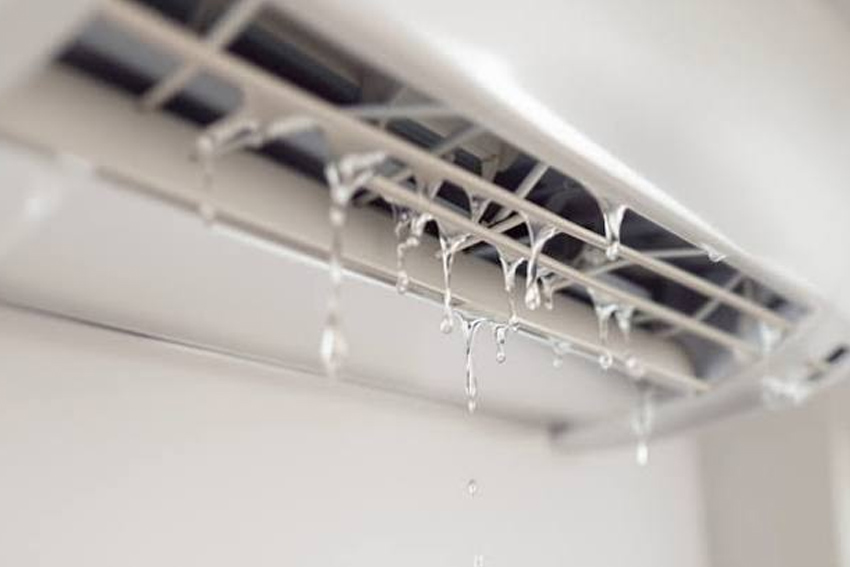
Common warning signs include warm air coming from supply registers. At the same time, the thermostat is set to Cool, you may notice weak airflow from several vents or visible frost on the larger insulated copper line connected to the outdoor unit. Water beneath the air handler or furnace, a condenser that hums while the fan remains still, a breaker that resets but trips again, or a sharp click from the contactor followed by silence can also indicate a problem that requires attention. For Sedalia-specific information and local service details, homeowners may consult resources such as acrsedalia.com to better understand terminology and common system components before scheduling service.
Two common scenarios help illustrate these patterns. If your air conditioner runs for five minutes, shuts off for three minutes, and then repeats the cycle while indoor humidity rises, you may have a weak dual capacitor that cannot keep the compressor and fan running under load. A condenser coil covered with cottonwood debris can create similar symptoms by raising system pressure. In another scenario, your filter may be new, but the temperature difference between a return grille and nearby supply vent is only 8 to 10 degrees. This may indicate low refrigerant caused by a leak or an evaporator coil that is beginning to freeze. Either way, forcing the system to keep running may cause additional damage.
-
What Those Signs Usually Mean Inside the System
A clogged return filter or blocked return grille reduces airflow across the evaporator coil. When less warm indoor air passes over the coil, its temperature can fall below 32 degrees and cause ice to form on the fins and suction line. As the ice melts, the drain pan may overflow, allowing water to appear around the base of the furnace or air handler. Repeated freezing and thawing strains the compressor and can damage the ceiling if the secondary drain system isn’t functioning properly. If you notice frost, turn the cooling mode off and set the fan to On so air can move across the coil and help it thaw. Do not resume cooling until you identify the underlying cause.
A buzzing outdoor unit with a fan that does not spin often points to a failed capacitor or a damaged contactor that is not delivering proper voltage. Breakers that trip repeatedly after brief periods of operation may indicate excessive compressor current caused by a difficult startup condition or an overheating condenser coil clogged with debris. Cooling that returns after you remove water from a small reservoir near the furnace may indicate a blocked condensate drain that has activated the float switch. Low refrigerant from a leak can reduce suction pressure, lower coil temperature, and create frost that starts near the thermostatic expansion valve and spreads across the evaporator coil. Adding refrigerant without locating and repairing the leak only provides temporary relief and may allow the problem to return.
-
Safe Checks You Can Do Before the Technician Arrives
Begin by checking airflow. Replace or clean the filter if it is covered with dust. In many homes that use one-inch filters, a MERV rating between 8 and 11 can provide a reasonable balance between filtration and airflow resistance. Very restrictive filters may reduce airflow in systems with limited return duct capacity. Confirm that the thermostat is set to Cool and that the fan setting is Auto. If the thermostat uses batteries, replace them with fresh ones. Open any closed supply registers, and make sure furniture, curtains, or other objects don’t block return grilles.
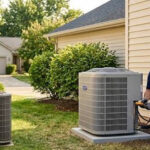
Next, move outside and turn off the power at the disconnect before cleaning around the condenser. Remove grass clippings, leaves, cottonwood, and other debris from the coil area, and maintain approximately 18 to 24 inches of clearance around the unit for proper airflow. A gentle rinse with a garden hose can remove loose dirt, but avoid strong water pressure, which can bend the coil fins. Indoors, locate the condensate drain cleanout near the air handler. A wet/dry vacuum connected to the exterior drain outlet may help remove accumulated sludge. Avoid using harsh chemicals that could damage metal components or plumbing connections. If a breaker has tripped, reset it only once, and leave the system off for about five minutes before restarting so refrigerant pressures can equalize.
-
Tests a Licensed HVAC Professional Will Perform and Why They Matter
Refrigerant charging requires accurate measurements, not guesswork. A technician may connect gauges or a digital manifold to measure suction and liquid pressures, then calculate superheat and subcooling based on the manufacturer’s specifications, outdoor conditions, and the type of metering device used. Consistent patterns in these readings can help distinguish between low refrigerant charge, excessive charge, a restricted filter drier, or a malfunctioning thermostatic expansion valve. If the refrigerant level is low, the technician may perform a leak search with appropriate detection equipment and repair the leak source before restoring the correct charge.
Electrical and airflow testing can also help prevent repeated failures. A technician may measure capacitor values and compare them with the rated specifications, inspect the contactor for wear, check compressor and fan motor current, and verify voltage while the system is operating. On the airflow side, a manometer can measure total external static pressure to determine whether the duct system is restricting the blower. Many residential systems operate around 0.5 inches of water column, although the manufacturer’s rating for the specific equipment determines the acceptable limit. A temperature difference across the evaporator coil can also provide useful diagnostic information when you consider airflow and humidity conditions. These measurements let the technician make targeted corrections instead of relying on trial and error.
Habits That Reduce Breakdowns in Sedalia’s Summer Humidity
Dust and cottonwood can create difficult conditions for outdoor cooling equipment in central Missouri. Check one-inch filters regularly in June and July, and replace them when the surface looks gray or the pleats are clogged with debris. Clean the area around the outdoor condenser early in the cooling season, and trim shrubs so branches don’t touch the cabinet or restrict airflow. If the condenser is near a dryer vent, consider redirecting the exhaust so lint doesn’t collect on the coil. Make sure the outdoor unit remains level and stable to reduce vibration and unnecessary stress on refrigerant piping.
Moderate thermostat adjustments can also reduce strain. Instead of raising the temperature setting by 10 degrees or more during the day, consider a smaller adjustment of about 3 to 5 degrees to reduce long recovery periods during humid weather. After a thunderstorm or brief power interruption, keep the system off for several minutes before restarting so internal pressures can stabilize. Keep the condensate drainage system clean per the manufacturer’s recommendations, especially during humid periods when the system removes more moisture from the air. Maintaining a simple record of filter changes, coil cleaning, service visits, and technician measurements can also help identify patterns such as a gradual refrigerant leak or ongoing airflow restriction that may require a duct correction rather than repeated component replacement.
Catching AC trouble early depends less on guessing and more on recognizing a few reliable warning signs. Warm supply air, ice on the suction line, a humming condenser with a stationary fan, or water near the furnace can point to a limited set of possible causes. Replace a clogged filter, check thermostat settings, clear visible debris around the outdoor unit, and inspect the condensate drainage system. Beyond those basic steps, refrigerant work, electrical testing, and detailed airflow diagnostics should be handled by a licensed HVAC professional who can measure system performance and correct the underlying problem. Consistent maintenance throughout Sedalia’s hottest, most humid months can reduce unexpected failures and keep the cooling system running reliably.