It’s late, you’re curious, and ten minutes later a screen tells you you’re “Pitta.” It feels oddly right. Then a friend takes a different quiz and lands on “Vata-Kapha,” even though you’d have sworn she was all fire.
So which result should you trust? Dosha quizzes have become the front door to Ayurveda for a lot of people, yet very few of them explain what they can and can’t measure.
This guide breaks down how these quizzes work, where they fall short, and how traditional Ayurveda actually assesses your constitution. By the end, you’ll know how to read your result with the right amount of confidence.
What an Online Dosha Quiz Actually Measures
An online dosha quiz is a self-report questionnaire. You answer questions about your body frame, skin, digestion, sleep, appetite, and temperament, and the tool tallies your answers across Vata, Pitta, and Kapha.
If you’ve ever typed “what is my dosha” into a search bar, this is usually the first answer you’ll find. It’s a genuinely useful starting point, because the questions draw on the same traits Ayurvedic texts have described for centuries.
The Three Energies in Brief
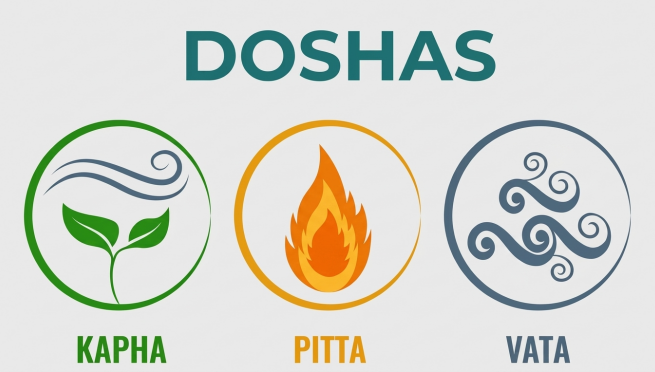
Before you trust any score, it helps to understand the three dosha types and the traits each one is associated with. Here’s the short version:
✅ Vata (air and space): Associated with movement, creativity, and quick thinking. People with strong Vata traits often have a lighter frame and energy that comes in bursts.
✅ Pitta (fire and water): Associated with digestion, focus, and drive. Pitta-dominant people tend to run warm, think sharply, and like a clear plan.
✅ Kapha (earth and water): Associated with structure, steadiness, and endurance. Kapha traits often show up as a calm temperament, a sturdy build, and a slower, steadier pace.
Many people are a blend of two, which is why so many quiz results come back with a hyphen.
Where Dosha Quizzes Fall Short
A quiz is only as good as the answers you give it and the way it scores them. That’s where the cracks start to show.
Self-Report Has Blind Spots
Quizzes depend on how you see yourself, and most of us are not neutral observers. Someone who is stressed and sleeping badly may describe themselves as anxious and restless, which pushes the score toward Vata even if that isn’t their natural baseline.
Most Quizzes Blend Two Different Things
Ayurveda describes two layers of your constitution. Prakriti is the balance of doshas you’re born with, and it stays with you for life. Vikriti is your current state, which shifts with the seasons, your diet, stress, sleep, and age.
Most quizzes mix the two without telling you. That’s why the same person can get different results in January and July, and why your friend’s quiz might not match the person you see every day.
There’s No Standard Scoring
There is no single, universally agreed dosha quiz. Different tools use different questions and weight them differently, so two quizzes can reasonably disagree about the same person.
Researchers have worked on standardized Prakriti questionnaires, but most free quizzes you’ll find online haven’t been through that kind of testing.
How Ayurveda Traditionally Assesses Your Dosha
Classical Ayurveda never relied on a questionnaire alone. If you want to know how to determine your dosha the traditional way, it starts with a trained practitioner who combines conversation, observation, and touch.
✅ Nadi pariksha (pulse assessment): The practitioner reads the qualities of your pulse at the wrist, a skill that traditionally takes years to develop. It is traditionally used to assess both your baseline constitution and any current imbalance.
✅ Visual observation: Your tongue, eyes, skin, and nails are observed for signs of dryness, heat, or heaviness. These cues can confirm or challenge what you describe in words.
✅ Detailed history: The practitioner asks about your digestion, sleep, stress, and daily routine over time, not just how you feel today. Patterns across months say far more than a single snapshot.
Because nadi pariksha depends on physical touch, it can only be done in person. Remote sessions rely instead on video observation and more detailed questionnaires to fill the gap.
How to Use Your Quiz Result Wisely
None of this means you should ignore your quiz result. It simply means treating it as a working hypothesis rather than a final verdict.
Take More Than One Quiz
Try two or three reputable quizzes and look for overlap. If they consistently point to the same dominant dosha, that’s a more reliable signal than any single score.
Retake It Across Seasons
Answer the same quiz in different seasons or after a major life change. Shifts in your result may reflect Vikriti, while the traits that stay constant are more likely to reflect your Prakriti.
Check It With a Practitioner
If you’re planning real changes to your diet or daily routine, a second opinion is worth having. An online Ayurvedic consultation can review your health history and observe visual cues to help separate your natural baseline from a temporary imbalance. For a full pulse assessment, you’ll need to see a practitioner in person.
The Bottom Line
An online dosha quiz is a helpful way to start learning about Ayurveda and to notice patterns in your body and mind. It isn’t designed to give you a final answer about your constitution.
Use your result as a conversation starter, compare it over time, and lean on a trained practitioner when the stakes are higher. That mix of curiosity and caution is very much in the spirit of Ayurveda itself.
Have you taken a dosha quiz, and did your result match how you actually feel day to day? Share your experience in the comments below.