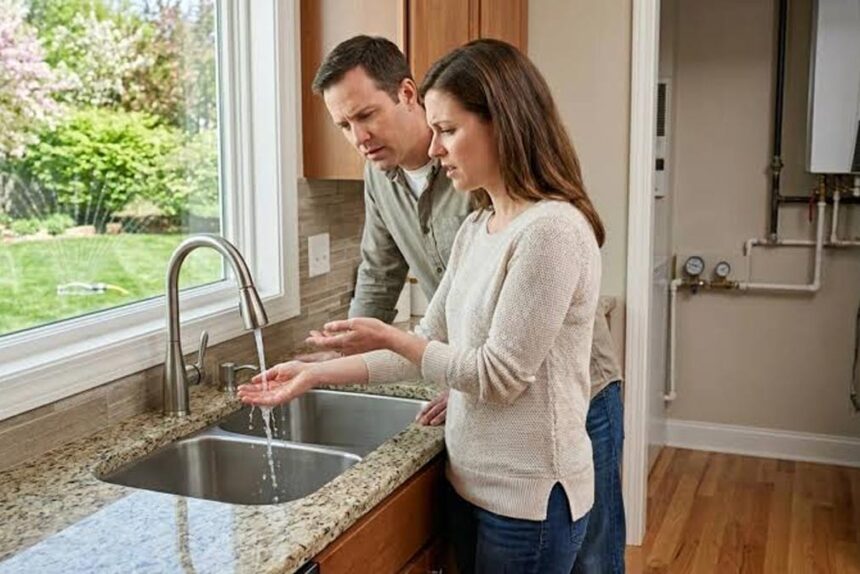
Few household problems are as frustrating as a shower that turns into a drizzle or a kitchen faucet that takes forever to fill a pot. Low water pressure can come from several places: a partially closed valve, clogged aerators, a failing pressure reducing valve (PRV), sediment in a water heater, or even a supply issue beyond your property line. A short, methodical check at a few fixtures, your shutoff valves, and the water heater can quickly narrow things down. Use this homeowner-friendly checklist to isolate the cause before you schedule a visit and to describe symptoms clearly if you do call a licensed plumber.
-
Confirm Where the Pressure Drops: One Fixture, One Room, or the Whole House
Start by comparing a few points: an outdoor hose bib, the kitchen faucet, and a shower. If one shower is weak but the hose bib blasts water, you likely have a localized restriction, such as a clogged showerhead or a stuck cartridge in a single-handle valve. If an entire bathroom feels sluggish, check the angle stops (the small shutoff valves under sinks and toilets) to make sure the handles are fully open, en and the stops aren’t corroded or seized.
If every tap seems underpowered, think bigger. A house-wide drop often points to a main shutoff that isn’t fully open, a failing PRV, or a supply-side problem. For homeowners in Middlesex, NJ, searches like plumber in Middlesex typically happen when the issue clearly affects the whole home rather than a single faucet or shower.
-
Rule Out Simple Blockages and Partially Closed Valves
A small grain of grit can choke a faucet. Unscrew the aerator from the kitchen or bath faucet and rinse the screen. If pressure returns with the aerator off, soak it in vinegar to dissolve mineral scale or replace it. For showers, remove the showerhead and run the shower arm briefly; if flow improves without the head attached, clean or replace the head. If a single-handle faucet runs weakly, the internal cartridge may be packed with debris from recent plumbing work or municipal main flushing; replacing or cleaning the cartridge restores flow.
Walk the water path in order. Confirm the street-side curb stop (if accessible), your water meter valve, and the main house shutoff are fully open. A ball valve handle must be parallel to the pipe to be fully open; if it is at an angle, it is throttling your flow. After roadwork or meter changes, sediment often moves downstream and lodges in aerators, showerheads, and fixture stops. Open a seldom-used hose bib for a minute to flush the line before rechecking indoor fixtures.
-
Separate “Pressure” From “Flow”: Use a Gauge and Check the PRV
Household water complaints often mix up pressure and flow. A quick test with a 0 to 100 psi thread-on pressure gauge at a hose bib or laundry faucet tells you the static pressure (all fixtures off) and the dynamic pressure (while a faucet runs). If static pressure is healthy but drops sharply the moment you open a tap, you may have undersized or partially blocked piping, a constricted PRV, or a hidden leak that is bleeding flow.
Find the PRV, typically installed just after the water meter or where the main enters the house. A failing PRV can reduce pressure house-wide or oscillate, causing showers to surge and fade. While PRVs are adjustable, cranking one open without understanding your system can invite water hammer, strain supply lines, and violate local code if you overshoot. If a quick gauge test shows unusually low pressure at multiple hose bibs, call your utility to ask about supply work, then consider a professional assessment of the PRV and main line conditions.
-
When Hot Water Is the Only Problem: Focus on the Heater and Mixing Valves
If cold water is strong but hot water is weak, check the water heater path. Tank-style heaters can accumulate sediment that clogs the hot outlet nipple, or the dip tube can break apart and obstruct downstream fixtures. Tankless units have inlet filter screens that clog with fine debris; cleaning the screen and descaling the heat exchanger often restores flow. A tempering (mixing) valve installed near the heater can also collect scale, restricting hot water to every fixture.
At the fixture level, single-handle shower valves use cartridges or pressure-balancing units that can stick or clog. If one shower’s hot stream is weak but other fixtures are fine, remove the trim plate and replace the cartridge. Always shut off the water at the shower’s integral stops or the nearby branch valves before disassembly, and restore the trim and seals carefully to avoid leaks inside the wall.
Real World Clues, Tradeoffs, and When to Call for Help
Two quick scenarios can save hours of guessing. First, after street main work, homeowners often report kitchen and bath faucets that sputter, then lose strength. The fix is usually to flush the lines and clean aerators and cartridges, not replace fixtures. Second, after a toilet replacement, the bathroom sink runs weak; the culprit is often a bumped angle stop left half closed during the install. Fully open the valve and recheck.
Longer-term fixes involve trade-offs. If galvanized steel piping is corroded inside, no amount of valve tweaks will restore flow; repiping with copper or PEX solves chronic restrictions but is invasive. A pressure booster pump can help homes at the end of high-demand cul-de-sacs, but it adds noise, requires proper backflow protection, and must be sized to avoid overpressurizing fixtures. Water softeners reduce scale but, if undersized or clogged, they can throttle flow; routine media changes and bypass testing keep them from becoming the bottleneck. If your pressure gauge reads steady yet multiple fixtures run weak and you have older lines, a camera inspection and a professional evaluation are the fastest path to an answer.
Use the patterns you see to act with confidence. Whole-home symptoms point to the main shutoff, PRV, or supply; one room suggests branch valves or debris; hot-only issues point to the heater or mixing valves; and single-fixture problems are usually aerators, cartridges, or showerheads. Clean what you can access, verify every valve is fully open, and document your gauge readings and which fixtures are affected. That information helps a licensed plumber take the next step promptly, whether that is adjusting or replacing a PRV, flushing a tankless filter, or planning targeted repiping.