Bringing a Level 2 EV charger home is often the difference between waking up to a full battery and juggling public stations. For homeowners in Powell, TN, success starts long before the charger is mounted. A reliable installation hinges on electrical capacity, circuit selection, where the unit will live, and how safety devices and permits are handled. This guide focuses on the practical checks that prevent tripped breakers, slow charge rates, or failed inspections. You will learn how panel capacity shapes charger settings, when a plug in receptacle makes sense, how cable reach and weather exposure drive placement, and which safety measures inspectors commonly look for. With these steps, you can plan an installation that fits how you actually park and drive.
-
Confirming Panel Capacity With a Real Load Calculation
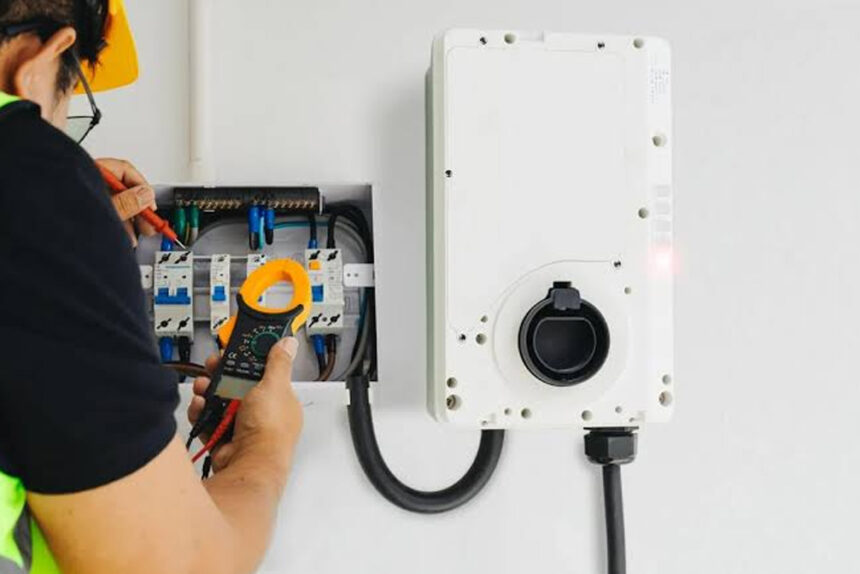
Start at the service panel. A Level 2 EVSE typically needs a dedicated 240 volt circuit in the 40 to 60 amp range. That circuit must coexist with existing large loads like an electric range, dryer, heat pump, and water heater. A proper load calculation (based on the National Electrical Code’s demand factors) estimates your home’s peak usage, then determines whether your main breaker and bus can support the additional continuous EV load. Local electricians often provide an on site assessment that includes this math; many also outline typical EVSE steps online, such as https://www.atomicelectricservice.com/.
If your panel has limited capacity or is an older 100 amp service, you still have options. One path is setting the EVSE to a lower output (for example, a 40 amp breaker with a 32 amp charging rate), which reduces simultaneous demand. Another is a smart load management device that monitors total draw and automatically curtails charging when ovens or HVAC spike. A full service upgrade is sometimes the right call for long term flexibility, but it is not the only solution. The trade off is straightforward: higher amperage delivers faster miles per hour charging, but it requires more headroom in the panel.
-
Choosing the Circuit and Charger: 40 amp vs. 60 amp, Plug in vs. Hardwired
Match breaker size to both the EVSE rating and your vehicle’s onboard charger. Most Level 2 units follow an 80 percent continuous load rule per manufacturer instructions, so a 50 amp breaker supports about 40 amps of charging, and a 60 amp breaker supports about 48 amps. If your car’s onboard charger tops out at 32 amps, a larger circuit will not speed things up. Consider what you might drive next; sizing for a future vehicle can avoid rework later, but only if your panel capacity and wire gauge can support it.
Decide whether you want a hardwired EVSE or a plug in unit on a NEMA 14 50 receptacle. A 14 50 is versatile and can be replaced easily, while a hardwired unit eliminates a high current plug connection and may support higher amperage configurations. In garages and outdoor areas, receptacles may require GFCI protection depending on local code adoption. Plug in setups are typically capped at 50 amps, which suits many drivers; hardwiring can enable 60 amps and cleaner cable management. The trade off: plug in flexibility versus the durability and maximum output of a hardwired installation.
-
Locating the EVSE: Cable Reach, Mounting Height, and Weather Exposure
Placement controls daily usability more than any other choice. Measure from the parking spot to your vehicle’s charge port, factoring in how you usually pull in. Many cables are 18 to 25 feet; long runs across walkways create trip hazards and cable wear. Typical mounting heights keep the handle holster handy while leaving room for a loop of slack. If the garage door rail blocks a clean cable path, consider a ceiling drop, a side wall closer to the charge port, or a pedestal that keeps the cord off the floor.
Outdoor installs add weatherproofing detail. Choose an EVSE with a NEMA 3R or 4 enclosure, orient the unit to shed rain, and form a drip loop on the cord. UV resistant conduit and fittings help outdoors; if using PVC, expansion fittings prevent stress from temperature swings. For a detached garage 60 feet away, plan a feeder in buried conduit, with burial depth and wire type (often THWN 2 conductors) set by method and local code. That longer run also introduces voltage drop; upsizing the conductors can maintain charging performance across distance.
-
Safety Requirements You Should Expect: GFCI, Disconnects, and Surge Protection
Modern EV circuits incorporate layered protection. GFCI is common for receptacles in garages and exterior locations and may be built into some EVSE models. Many installations also include a lockable disconnect within sight of the charger when required by manufacturer instructions or local interpretation, allowing responders to de energize quickly. A Type 2 surge protective device at the main panel helps protect sensitive electronics in both the EVSE and vehicle from spikes during storms. Label the EV branch circuit clearly, torque terminations to the manufacturer’s specifications, and route the cable to avoid contact points that could wear the insulation over time.
Permits, Inspections, and Practical Scheduling in a Working Household
Many jurisdictions require a permit and inspection for a new 240 volt EV circuit, and service upgrades typically involve the utility. Clarify permitting expectations up front to avoid delays. On installation day, move vehicles so the electrician can access the panel and the mounting location, and clear a path for ladders and conduit runs. If the EVSE connects to Wi Fi for load sharing or usage tracking, have the network name and password ready. For detached structures, plan for trenching time and any temporary fencing or landscape protection. If a brief outage is needed to land a new breaker or SPD, coordinate around work from home or school schedules.
EV charger installations in Powell benefit from the same fundamentals as anywhere else: honest load calculations, a circuit sized to real world use, a smart location that avoids cord strain, and safety devices that pass inspection and protect your gear. Think through two time horizons. Day one should feel effortless each evening when you plug in. Year three should still support a new vehicle, a second EV, or a change in how you park. By validating capacity, selecting the right EVSE format, and planning placement with cable reach and weather in mind, you set yourself up for faster charging and fewer surprises.