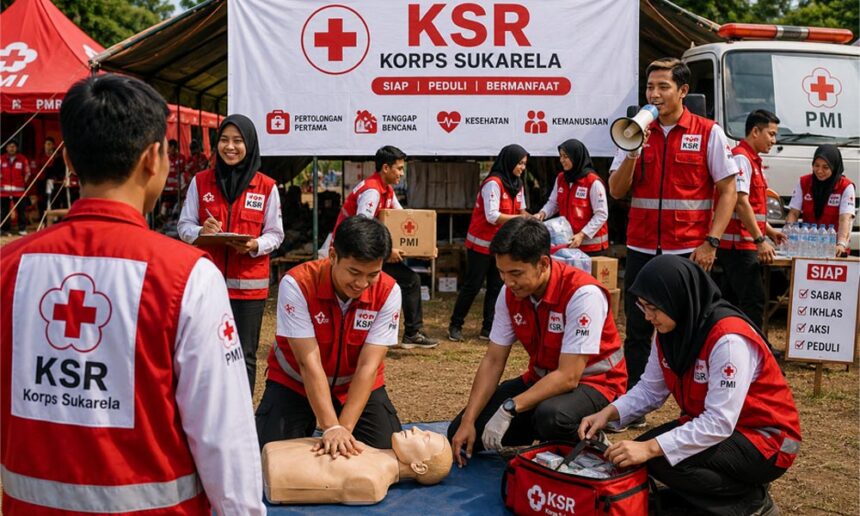
Have you ever seen people helping families after a flood or giving first aid after an accident? While many people want to help during difficult times, not everyone knows what to do. That is why trained volunteers are so important. They stay calm, work as a team, and know how to help safely.
One of the best-known volunteer groups in Indonesia is Korps Sukarela. These volunteers help people during disasters, health programs, and community activities. They do not work for money. Instead, they choose to serve because they want to make a difference in the lives of others.
In 2026, Korps Sukarela continues to play an important role across Indonesia. Whether there is an earthquake, flood, blood donation event, or health campaign, these volunteers are often ready to help. Their work brings hope to people during some of the hardest moments in life.
In this article, you will learn everything about Korps Sukarela in a simple way. We will explain its meaning, history, values, training, volunteer roles, community work, benefits, challenges, and how you can become a member. Let’s begin step by step.
What Is Korps Sukarela?
Korps Sukarela, often called KSR, means Volunteer Corps. It is a trained volunteer group that works under Palang Merah Indonesia (PMI), also known as the Indonesian Red Cross. Members of Korps Sukarela give their time and energy to help people without expecting regular payment.
Many people think volunteering simply means showing up to help. While good intentions are important, emergency work needs knowledge and planning. Imagine arriving at a flood area without knowing how to rescue people or give first aid. Instead of helping, you might accidentally make the situation more difficult. That is why Korps Sukarela provides training before volunteers begin serving.
Korps Sukarela volunteers follow clear rules and work together as one team. They know how to respond during disasters, support health activities, and help communities prepare for emergencies. Because of this training, people trust them during difficult situations.
Their work is not limited to major disasters. Throughout the year, Korps Sukarela members also support blood donation drives, health education programs, community events, and environmental activities. They believe that helping people is not only important during emergencies but also in everyday life.
The History of Korps Sukarela
The story of Korps Sukarela begins with one of Indonesia’s strongest traditions, called gotong royong. This tradition teaches people to help one another without expecting anything in return. For many generations, neighbors have worked together during difficult times, whether building homes, cleaning villages, or helping families after disasters.
As Indonesia grew, communities became larger and disasters became more complex. Floods, earthquakes, volcanic eruptions, and other emergencies often required more organized support. Simply having willing helpers was no longer enough. People also needed training, planning, and teamwork.
To meet this need, Palang Merah Indonesia (PMI) developed Korps Sukarela as an organized volunteer program. Instead of depending only on people who wanted to help, PMI began training volunteers before emergencies happened. This made disaster response faster, safer, and much more effective.
Over the years, Korps Sukarela expanded across Indonesia. Today, there are volunteer units in many cities, districts, universities, and local communities. Thousands of members continue to support PMI by helping people during disasters, health programs, and community projects.
Several major disasters have also shaped the growth of Korps Sukarela. Large events such as earthquakes, tsunamis, floods, volcanic eruptions, and even the COVID-19 pandemic showed how valuable trained volunteers can be. Every emergency helped improve training, teamwork, and preparedness, making Korps Sukarela stronger year after year.
Korps Sukarela Values and Mission
Every successful volunteer group needs strong values. These values help members make good decisions, especially during stressful situations. Korps Sukarela follows the humanitarian values of the Indonesian Red Cross and the worldwide Red Cross and Red Crescent Movement.
The most important value is humanity. This means helping people who are suffering, no matter where they come from or who they are. Volunteers focus on reducing pain, protecting life, and bringing hope during difficult moments.
Another important value is neutrality. Korps Sukarela does not take sides during conflicts or disagreements. Volunteers stay focused on helping people instead of becoming involved in political or personal issues. This allows communities to trust them when help is needed most.
Korps Sukarela also believes in volunteer service. Members choose to help because they care about others, not because they expect money or rewards. Even though the work can be difficult, volunteers continue because they know their efforts can change someone’s life.
Other important values include unity, fairness, respect, and teamwork. Every volunteer works together as part of one organization. They support each other, follow the same rules, and treat every person equally. These values help Korps Sukarela remain one of Indonesia’s most trusted volunteer groups.
How Korps Sukarela Is Organized
One reason Korps Sukarela works so well is its clear organization. Instead of working alone, volunteers become part of a structured system managed by Palang Merah Indonesia (PMI). This allows teams to respond quickly whenever help is needed.
PMI has branches across Indonesia. There are national, provincial, city, and district offices that help organize volunteer activities. Because of this system, local teams can respond quickly while also receiving support from larger PMI offices when emergencies become bigger.
Many universities also have their own Korps Sukarela units. These campus groups give students the chance to learn first aid, disaster response, leadership, and teamwork while serving their communities. Joining during university is one of the most common ways people become KSR members.
Inside each Korps Sukarela unit, volunteers have different responsibilities. Some focus on first aid. Others help with disaster response, logistics, communication, public health, or community education. Team leaders help organize activities and make sure everyone works safely together.
During emergencies, good communication becomes very important. Volunteers report information, receive instructions, and coordinate with other emergency teams. Because everyone understands their role, the response becomes faster and more organized.
Who Can Join Korps Sukarela?
Many people wonder if anyone can become a Korps Sukarela volunteer. The good news is that many adults who want to help their communities can apply. While requirements may be slightly different in each PMI branch, the basic rules are usually very similar.
Most applicants are at least 18 years old. They should also be physically and mentally healthy because some volunteer activities can be challenging. During disasters, volunteers may work long hours, travel to affected areas, or help people under difficult conditions.
You do not need to be a doctor or nurse before joining Korps Sukarela. Many members start with no medical background at all. The important thing is having a willingness to learn, work as a team, and serve others with kindness and responsibility.
Discipline is another important quality. Volunteers are expected to attend training, follow safety rules, and respect the instructions of team leaders. Emergency work depends on cooperation, so every member plays an important part.
Many university students join through campus Korps Sukarela units. Younger students who are not yet old enough for KSR can often take part in Palang Merah Remaja (PMR), the youth program of PMI. This allows them to begin learning volunteer skills before becoming adult volunteers later.
Korps Sukarela Training
Before becoming active volunteers, every Korps Sukarela member receives training. This training is often called diklat, which means education and training. It prepares volunteers to help people safely, confidently, and correctly.
The first part of training focuses on basic skills. Volunteers learn first aid, basic life support, and how to respond during emergencies. They practice treating simple injuries, checking a person’s condition, and helping until professional medical workers arrive.
Disaster response is another important part of training. Members learn what to do during floods, earthquakes, fires, landslides, volcanic eruptions, and other emergencies. They also practice safe evacuation methods and learn how to protect both themselves and the people they are helping.
Training also teaches communication and teamwork. Imagine trying to help hundreds of people without clear instructions. It would quickly become confusing. Korps Sukarela volunteers learn how to share information, work together, and solve problems as one team.
Another important topic is volunteer safety. Members learn how to use protective equipment, avoid dangerous situations, and reduce risks during emergency work. Staying safe allows volunteers to continue helping others without becoming victims themselves.
As volunteers gain experience, they can continue learning advanced skills. Some choose disaster response teams, while others focus on health education, logistics, shelter management, psychological first aid, or community preparedness. Practice drills and emergency simulations help them build confidence before facing real situations.
Main Roles of Korps Sukarela Volunteers
After finishing their training, Korps Sukarela members are ready to help in many different ways. Some people think volunteers only work during disasters, but that is only one part of their job. Their work continues throughout the year in many communities across Indonesia.
Every volunteer has a role based on their training and the needs of their local PMI branch. Some give first aid, while others organize supplies, teach health lessons, or support disaster response teams. Working together allows every volunteer to make a valuable contribution.
One of the most common roles is providing first aid. If someone becomes injured during a public event or emergency, Korps Sukarela volunteers can give basic care until doctors or ambulance teams arrive. Quick action can make a big difference during those first few minutes.
Another important job is evacuation support. During floods, earthquakes, or fires, volunteers help people move to safer places. They guide children, older adults, and people with disabilities while keeping everyone as calm as possible.
Many volunteers also help manage temporary shelters. They register families, prepare sleeping areas, organize food distribution, and answer questions from people staying there. A well-managed shelter helps families feel safer during difficult times.
Korps Sukarela members may also work with logistics teams. They help receive, organize, and deliver food, clean water, medicine, blankets, clothing, and other emergency supplies. Good planning makes sure help reaches the people who need it most.
Communication is another valuable role. Volunteers collect information, report changing conditions, and share updates with emergency teams. Clear communication helps everyone work together and avoid confusion.
Outside emergency work, Korps Sukarela volunteers support blood donation drives, health campaigns, school programs, environmental projects, and public awareness events. Their work improves communities every day, not only during disasters.
Korps Sukarela During Disasters
Indonesia experiences many natural disasters every year. Floods, earthquakes, volcanic eruptions, landslides, storms, and forest fires can affect thousands of people. During these difficult moments, Korps Sukarela becomes an important part of the emergency response.
Imagine a village hit by heavy flooding. Roads are covered with water, families need safe places to stay, and many people require food and medical care. Trained Korps Sukarela volunteers quickly organize with PMI and other emergency teams. Instead of rushing without a plan, they follow clear steps that keep everyone safer.
Volunteers often help move families away from danger. They assist older adults, children, and people who cannot travel alone. At evacuation centers, they help people register, find shelter, and receive basic supplies.
First aid is another important part of disaster work. Small injuries, cuts, and other medical problems can happen during emergencies. Korps Sukarela volunteers provide basic treatment while waiting for doctors or hospitals to take over if needed.
Relief distribution is also a major responsibility. Volunteers help deliver drinking water, food, blankets, hygiene kits, and medicine. In remote areas, this work can be challenging, but careful teamwork helps supplies reach more people.
Korps Sukarela never works alone. Volunteers cooperate with PMI, local governments, hospitals, firefighters, police, search and rescue teams, and other emergency organizations. By working together, they can respond faster and help more families.
One lesson every volunteer learns is to stay calm. Emergencies are stressful, but staying calm helps volunteers make better decisions. Their training allows them to help safely while protecting both themselves and the people around them.
Korps Sukarela in Health and Community Work
Many people believe Korps Sukarela only becomes active after disasters. In reality, much of its work happens during normal days. These activities help prevent problems before they become emergencies.
One of the best-known activities is organizing blood donation drives. Volunteers help register donors, guide visitors, answer simple questions, and support PMI staff throughout the event. Every successful blood donation can help save someone’s life.
Korps Sukarela also teaches people about healthy living. Volunteers visit schools, neighborhoods, and community centers to talk about hand washing, clean water, healthy food, disease prevention, and basic first aid. Small lessons like these can make a big difference over time.
Public events often need medical support as well. Sports competitions, concerts, festivals, and community celebrations may have Korps Sukarela volunteers on site. If someone feels unwell or gets injured, trained volunteers can provide immediate help.
Environmental work is another important part of community service. Volunteers join tree planting activities, river cleanups, waste collection programs, and clean water projects. These efforts help create healthier and safer places for everyone.
Korps Sukarela members also organize disaster preparedness workshops. Families learn what to do before floods or earthquakes happen. Schools may practice evacuation drills so students know how to stay safe during emergencies. Preparing early often reduces injuries and saves lives.
Benefits and Challenges of Joining Korps Sukarela
Joining Korps Sukarela offers many personal benefits. While volunteers spend time helping others, they also grow as individuals. Many members say they become more confident after taking part in training and community service.
One of the biggest benefits is learning practical skills. First aid, teamwork, communication, leadership, and problem-solving are useful almost everywhere. These skills can help at home, at school, at work, and during unexpected emergencies.
Volunteers also build strong friendships. People from different backgrounds come together with one goal: helping others. Working side by side during training and community projects often creates lasting friendships and trusted support networks.
Students and young professionals may also benefit from the experience. Volunteer work shows responsibility, teamwork, and leadership. These qualities can strengthen resumes and may be helpful when applying for jobs or scholarships.
However, volunteering is not always easy. Many Korps Sukarela members balance their volunteer work with school, university, family, or full-time jobs. Finding enough time for training and emergency response can sometimes be difficult.
Another challenge is limited resources. Some areas may not always have enough equipment, vehicles, or funding. During large disasters, volunteers may face long working hours and difficult conditions.
Emergency work can also be emotionally challenging. Volunteers sometimes meet families who have lost homes or loved ones. Because of this, Korps Sukarela encourages teamwork, emotional support, and proper rest after difficult missions. Looking after volunteers helps them continue helping others.
How to Join Korps Sukarela
If you want to become a Korps Sukarela volunteer, the process is usually simple. The first step is to contact your nearest Palang Merah Indonesia (PMI) office. Many universities also have active Korps Sukarela units where students can apply.
After contacting your local PMI branch, you will complete a registration form. You may be asked to provide personal information and basic documents. Some branches also conduct a simple interview or orientation to explain the volunteer program.
Most applicants also complete a basic health check. This helps make sure volunteers are physically and mentally ready for training. Good health is important because some volunteer activities require physical effort.
Once accepted, new members begin basic training. During this stage, they learn first aid, disaster response, communication, teamwork, and volunteer safety. Experienced trainers guide members through classroom lessons and practical exercises.
After completing the training, volunteers officially become active members of Korps Sukarela. They can take part in health campaigns, disaster preparedness activities, blood donation events, and emergency response when needed.
As members gain experience, they may choose to join specialized teams. Some focus on disaster management, while others work in logistics, health education, shelter support, or community preparedness. Learning never really stops because volunteers continue improving their skills throughout their service.
If you are interested in joining, it is always a good idea to contact your local PMI branch for the latest membership requirements. Rules may be slightly different depending on your location, but the goal is always the same—preparing volunteers to serve safely and responsibly.
Conclusion
Korps Sukarela is much more than a volunteer group. It is a community of trained people who choose to help others with kindness, skill, and responsibility. Whether they are responding to disasters, supporting health programs, or teaching safety in local communities, their work makes a real difference every day.
One of the greatest strengths of Korps Sukarela is its preparation. Volunteers do not simply arrive when something goes wrong. They spend time learning, practicing, and improving their skills before they are needed. This training helps them work safely and effectively when emergencies happen.
The organization also shows that helping others is not only about large disasters. Simple actions like supporting a blood donation drive, teaching first aid, cleaning public spaces, or helping during a community event can improve many lives. Every small effort adds up over time.
For people who want to learn new skills while serving their communities, Korps Sukarela offers a meaningful opportunity. Members gain experience, build confidence, develop friendships, and become part of a trusted humanitarian network across Indonesia.
As Indonesia continues to face new challenges in 2026 and beyond, trained volunteers remain more important than ever. By working together, learning continuously, and caring for others, Korps Sukarela will continue helping communities become safer, stronger, and better prepared for the future.
If you have ever wanted to make a positive difference, joining Korps Sukarela could be the first step. Your time, your effort, and your willingness to help may one day become the support someone needs during one of the hardest moments of their life.
(FAQs)
What is Korps Sukarela in simple words?
Korps Sukarela is a trained volunteer group in Indonesia. It works under Palang Merah Indonesia, also known as PMI or the Indonesian Red Cross. Members help people during disasters, health events, blood donation drives, and community programs. They offer their time without expecting regular payment.
What does Korps Sukarela mean?
Korps Sukarela means “Volunteer Corps.” It is often shortened to KSR. The name describes a group of people who freely choose to help others. However, KSR members are not random helpers. They receive training, follow clear rules, and work as part of an organized team.
Who can join Korps Sukarela?
Most Korps Sukarela units accept adults who are at least 18 years old. Applicants should be physically and mentally ready to take part in training and volunteer work. They should also be responsible, willing to learn, and able to work well with other people. Exact rules may be different in each local PMI branch.
Do you need medical experience to join Korps Sukarela?
No, you do not need to be a doctor, nurse, or medical worker before joining. Many members start with no medical experience. Korps Sukarela provides basic training in first aid, emergency care, teamwork, and disaster response. The most important things are a willingness to learn and a strong desire to help others.
What training do Korps Sukarela members receive?
New members usually complete basic education and training, often called diklat. They may learn first aid, basic life support, evacuation, disaster response, communication, and volunteer safety. Some members later receive extra training in logistics, shelter work, health education, emotional support, or disaster management.
What does Korps Sukarela do during disasters?
During floods, earthquakes, fires, landslides, or volcanic eruptions, Korps Sukarela volunteers may help move people to safe areas. They also give first aid, support temporary shelters, distribute food and clean water, and collect useful information. They work with PMI and other emergency teams to make the response safer and more organized.
Is Korps Sukarela only active during emergencies?
No, Korps Sukarela works throughout the year. Members help with blood donation drives, health education, first aid services, school safety programs, and public events. They may also join tree planting, waste cleanup, clean water projects, and disaster preparation workshops in local communities.
Do Korps Sukarela volunteers get paid?
Korps Sukarela is a volunteer program, so members usually do not receive a regular salary. They join because they want to serve others and support their communities. During some activities, basic needs such as food, transport, safety equipment, or accommodation may be provided, depending on the event and local PMI rules.
What are the benefits of joining Korps Sukarela?
Members can learn useful skills such as first aid, teamwork, leadership, communication, and problem-solving. They can also meet new people, build confidence, and gain real volunteer experience. For students and job seekers, this experience may also strengthen a resume. The greatest benefit is knowing that your work may help or even save someone.
How can I join Korps Sukarela?
Start by contacting your nearest Palang Merah Indonesia office or a Korps Sukarela unit at your university. Ask about registration dates, age rules, required documents, and training. You may need to complete a form, attend an orientation, pass a basic health check, and finish volunteer training before becoming an active member.
You might also like: Eczedone: A Simple Guide for Dry and Sensitive Skin