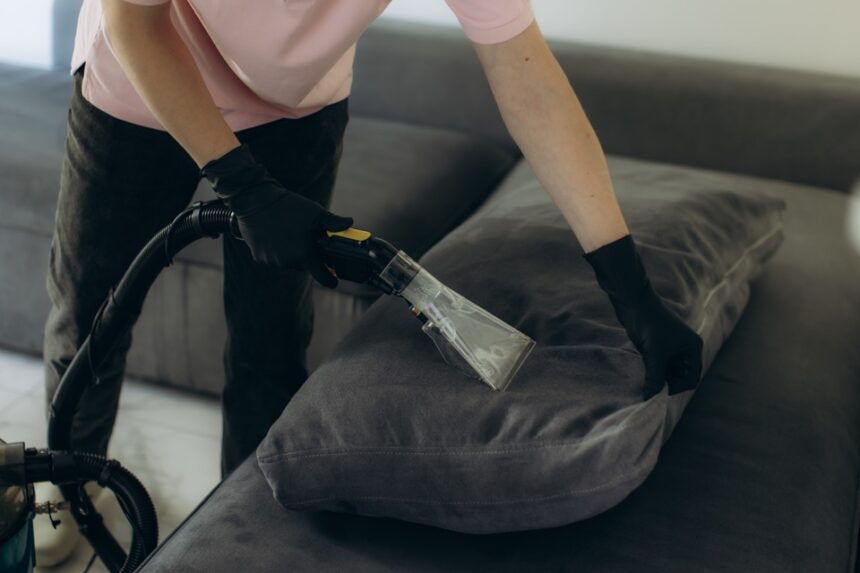
The right cushion upholstery starts with how the cushion will be used. Fabric, filling, dimensions, and construction affect whether a cushion feels comfortable, retains its shape, and withstands regular wear.
A family sofa has different requirements from a decorative window seat, a dining banquette, or an outdoor bench. Before comparing colours and patterns, establish where the cushion will sit, how frequently it will be used and the type of comfort it needs to provide.
Start With How the Cushion Will Be Used
The intended use determines what the fabric and filling need to do.
A decorative scatter cushion receives relatively little pressure, so texture and appearance may carry more weight in the decision. Sofa and bench cushions experience repeated compression and friction, requiring suitable support and a covering designed for regular contact.
For cushion upholstery in Sydney, consider whether the cushion will be used occasionally or every day, as well as the level of support and softness required. Household conditions matter too. Children, pets and frequent entertaining can place greater demands on seating.
Before choosing materials, consider:
- Whether the cushion is decorative or used for seating
- How frequently will people sit on it
- The level of support and softness required
- Whether children or pets regularly use the furniture.
These answers create a practical brief for selecting the fabric and filling rather than starting with appearance alone. For everyday seating, begin with wear and support requirements. For occasional cushions, appearance and texture can carry more weight. For outdoor cushions, establish the level of weather exposure before comparing materials.
Choose Upholstery Fabric According to Its Intended Use
Upholstery fabric should be selected according to the level and type of wear the cushion is expected to receive.
Abrasion resistance is one useful measure. The International Organisation for Standardisation’s ISO 12947 series covers the Martindale method for determining fabric abrasion resistance. The testing includes procedures for assessing specimen breakdown, mass loss and changes in appearance.
This information can help compare textiles for different applications. Other characteristics also affect performance, including fibre composition, pilling behaviour, colourfastness and weave or surface construction.
A heavily used lounge cushion places different demands on its covering than an occasional bedroom cushion. Technical specifications are most useful when interpreted according to the intended application rather than treated as a single measure of overall fabric quality.
Foam Determines Support, Shape and Comfort
The filling underneath the fabric determines much of a cushion’s support and response under body weight.
Density and firmness describe different foam characteristics. Density refers to the amount of material within a given volume of foam. Firmness describes the resistance felt when the foam is compressed. A higher-density foam should therefore not automatically be interpreted as a firmer one.
Cushion depth affects the result, too. A thin dining seat has less room to compress than a deep lounge cushion, so the foam selection needs to account for the seat’s dimensions.
Existing cushions can provide signs that their filling needs attention. A seat may develop hollows, remain compressed after use or lose its original support. If the cover remains suitable, replacing deteriorated foam can restore the cushion’s shape without replacing the entire piece.
Some cushions use polyester fibre or Dacron around the foam core. This layer creates a fuller profile and softens the transition between the foam and outer cover.
Match Colour, Pattern and Texture to the Furniture
Once the functional requirements are clear, colour, pattern and texture can be assessed in the room where the cushion will be used.
Small swatches do not always reveal how a design will look across a larger surface. A large pattern may become much more prominent across a long window seat or several sofa cushions. Checks, stripes and directional designs also need careful positioning when patterns are expected to align across seams.
Pattern matching can increase the amount of fabric required because pieces may need to be cut from particular positions in the design.
Lighting can alter how colour and sheen appear. Viewing shortlisted samples in the intended room during daylight and under the artificial lighting normally used at night gives a more realistic impression.
Texture deserves a physical check as well. A pronounced weave can create visual interest, yet its surface still needs to feel comfortable on seating used regularly.
Construction Affects How a Cushion Fits and Ages
Good cushion upholstery depends on accurate measurements and a cover designed around the filling.
A loose cover can wrinkle or move during use. Excessive tension can distort the cushion and place unnecessary strain on seams, piping and zips. Finished dimensions need to account for both the cushion shape and the filling.
The cover and filling also affect each other. A closely tailored cover can compress the filling differently from a looser construction, while the shape and resilience of the filling influence how smoothly the fabric sits. Foam, dimensions and cover construction therefore need to be considered together when establishing the finished fit.
Construction details also influence the profile. Piping creates a defined perimeter, while a less structured edge produces a softer appearance. Zips provide access to the filling where removable construction is appropriate.
Accurate measurement is particularly relevant for bay windows, built-in benches and other made-to-measure seating. These spaces may appear rectangular yet contain small differences in depth, width or angle.
When an existing cushion is being recreated, keeping the old cover until its measurements have been recorded provides a useful reference for shape, seam positions and zip position.
Outdoor Cushions Need Materials Suited to Exposure
Outdoor cushions face sunlight, humidity, dirt and moisture, so their materials need to suit the level of exposure.
Check the intended-use information supplied for the textile. Outdoor fabrics may have characteristics designed to address UV exposure, moisture, or mildew, although specifications vary by product. A cushion under a covered verandah experiences different conditions from one on an exposed balcony or beside an uncovered pool.
Internal construction needs attention because moisture can reach the filling. If a cushion becomes wet, its materials and construction need to support effective drying rather than allowing moisture to remain trapped inside.
Storage reduces prolonged exposure. Keeping cushions in a dry, protected location during extended rain or long periods of non-use can limit weathering and dirt accumulation.
Check Cleaning Requirements Before Choosing the Fabric
Cleaning requirements should be established before fabric is ordered, particularly for everyday seating.
Follow the care instructions supplied for the specific textile. Fibre composition, dyes, finishes and construction can affect which cleaning methods are appropriate. A method suitable for one upholstery fabric may damage another.
A removable cover does not automatically mean it is machine-washable. An unsuitable washing method can cause shrinkage, distortion or colour changes and may prevent the cover from fitting correctly afterwards.
Surface characteristics affect routine maintenance, too. Pale, plain fabrics tend to make marks more noticeable, while heavily textured surfaces may hold crumbs, hair and debris more readily. Consider whether these characteristics suit the household’s realistic cleaning routine.
Conclusion
Choosing cushion upholstery starts with understanding the cushion’s purpose. Usage determines the performance required from the fabric and filling, with foam characteristics, construction, appearance, exposure and care requirements refining the specification.
Treating the cushion as a complete system helps the cover, filling and dimensions work together, creating seating designed around how it will actually be used.