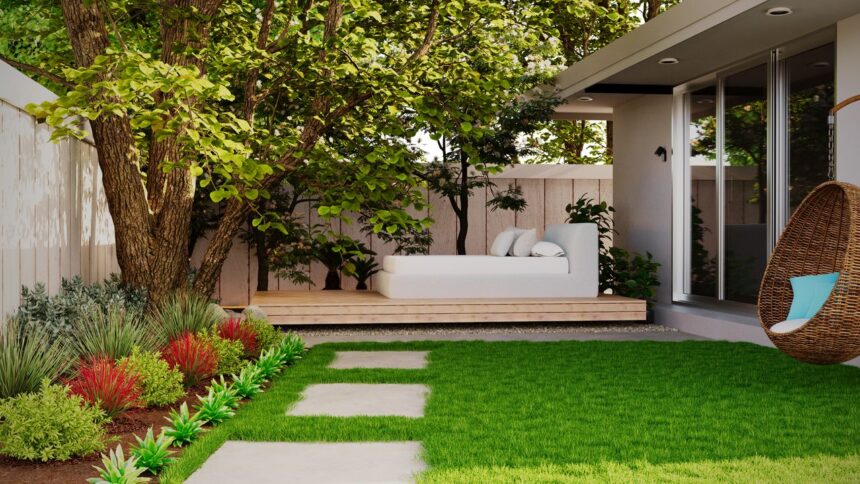
A small backyard might seem limiting at first, but a little creativity can turn even the most compact outdoor space into a relaxing retreat. The secret isn’t squeezing in as many features as possible. It’s choosing elements that work together without making the yard feel crowded. The variety of greenery available at a well-known plant nursery in Illinois can inspire countless planting ideas, but thoughtful selection is what makes those plants truly shine in a smaller setting.
Design Around How You Actually Want to Spend Your Time
Before buying furniture or planting anything, consider what you want from your backyard. Is it somewhere to enjoy morning coffee, entertain friends, grow herbs, or simply unwind after a busy day? Identifying your priorities helps prevent the space from becoming cluttered with features you rarely use.
Rather than dividing a tiny yard into several miniature areas, focus on one main activity and build around it. A comfortable seating corner surrounded by greenery might be more enjoyable than trying to fit a dining table, fire pit, and vegetable garden into the same space. Leaving some open ground also makes the entire yard feel more spacious.
Let Your Plants Grow Up Instead of Out
When ground space is limited, vertical gardening becomes especially valuable. Climbing vines, wall-mounted planters, hanging baskets, and narrow trellises introduce greenery without taking over walkways or seating areas.
Plant selection deserves equal attention. Compact shrubs, ornamental grasses, and slow-growing perennials can create beautiful arrangements without constant trimming. Grouping plants with similar sunlight and watering needs also makes maintenance easier. Instead of filling every corner with different varieties, repeat a few complementary plants throughout the yard to create a calm, coordinated appearance.
Keep Lawn Care Simple and Sustainable
EEven a small lawn needs regular attention to remain healthy, especially when people frequently walk across the same patches of grass. Shaded corners, compacted soil, and inconsistent watering can quickly create problems in a limited space. Adjusting mowing routines, improving drainage, or replacing struggling turf with suitable ground cover can help keep the yard attractive without adding unnecessary maintenance.
For everyday upkeep, small adjustments often make the greatest difference. Watering according to the lawn’s actual needs, keeping mower blades sharp, and avoiding excessive foot traffic during wet weather can help protect grass. Where sunlight is insufficient for healthy turf, mulch, gravel, or shade-tolerant planting beds may provide a more attractive and practical alternative.
Finding the Right Lawn Care Services for Your Backyard
Maintaining a small backyard can still require professional help, particularly when drainage issues, unhealthy grass, or difficult growing conditions affect the space. Homeowners often need guidance on which services will make the biggest difference without exceeding their budget or adding unnecessary work. The LawnCall Engine website helps lawn care businesses improve their online visibility and connect with homeowners searching for relevant services. This makes it easier for property owners to discover professionals who can address their lawn’s specific needs and keep their outdoor spaces looking their best.
Give Hardscaping More Than One Purpose
A well-designed patio or pathway can make a compact backyard significantly more functional. Instead of installing large structures that dominate the landscape, consider smaller features that serve several purposes.
A low retaining wall, for instance, can define a planting bed while offering occasional seating. Wide stepping stones can guide movement through the yard while allowing greenery to grow between them. Raised planters can establish visual boundaries without requiring permanent fences or bulky dividers.
Material choices also influence how spacious a backyard feels. Using similar paving materials throughout the area creates visual continuity, while excessive combinations of stone, brick, gravel, and wood can make the design appear fragmented. Simple patterns and consistent finishes often produce a more inviting result.
Create Depth With Layers, Lighting, and Texture
A small backyard doesn’t have to look flat or predictable. Different plant heights, carefully positioned containers, and contrasting foliage can create depth without overwhelming the available space.
Try placing taller plants toward the back of a border, medium-height varieties in the middle, and low-growing flowers near pathways. This arrangement adds dimension while allowing individual plants to remain visible.
Lighting offers another opportunity to improve the atmosphere. Soft pathway lights, discreet uplighting, or warm string lights can make the yard inviting after sunset. Rather than illuminating every corner, highlight selected features and leave some areas softly shaded. This contrast helps create a sense of depth and gives the space a cozy, welcoming character.
Choose Furniture That Makes the Space Feel Open
Oversized outdoor furniture can quickly consume a small backyard. Lightweight chairs, narrow benches, and compact tables are generally easier to arrange without blocking movement.
Furniture with built-in storage is particularly useful. A bench with a concealed compartment can hold cushions, gardening gloves, or small outdoor accessories, eliminating the need for additional storage containers.
Consider how furniture looks when it’s not being used, too. Foldable chairs and movable planters make it easier to adjust the layout for different occasions while keeping the yard comfortable for everyday activities.
Plan for a Backyard That Looks Good Throughout the Year
A beautiful outdoor space shouldn’t depend entirely on flowers that bloom for a few weeks. Combining evergreen plants, seasonal perennials, and interesting foliage creates visual appeal across changing seasons.
Think about how plants will look at maturity, not just when they’re purchased. A shrub that fits perfectly beside a walkway today might eventually block it. Allowing enough room for growth reduces future maintenance and helps preserve the original design.
It’s also worth making improvements gradually. Begin with essential elements such as drainage, pathways, and main planting areas before adding decorative accessories. Living with the layout for a while may reveal opportunities that weren’t obvious during the planning stage.
Make Your Little Outdoor Escape Feel Like Home
The most memorable backyards aren’t necessarily the largest or most elaborate. They’re spaces where every detail feels intentional. A favorite flowering plant, a comfortable chair beneath a climbing vine, or a small gathering area can make an ordinary afternoon feel special.
Ultimately, a successful small backyard combines thoughtful planting, practical maintenance, and comfortable design. By focusing on what genuinely improves the space instead of trying to include everything, you can create an outdoor retreat that feels welcoming, beautiful, and surprisingly spacious.