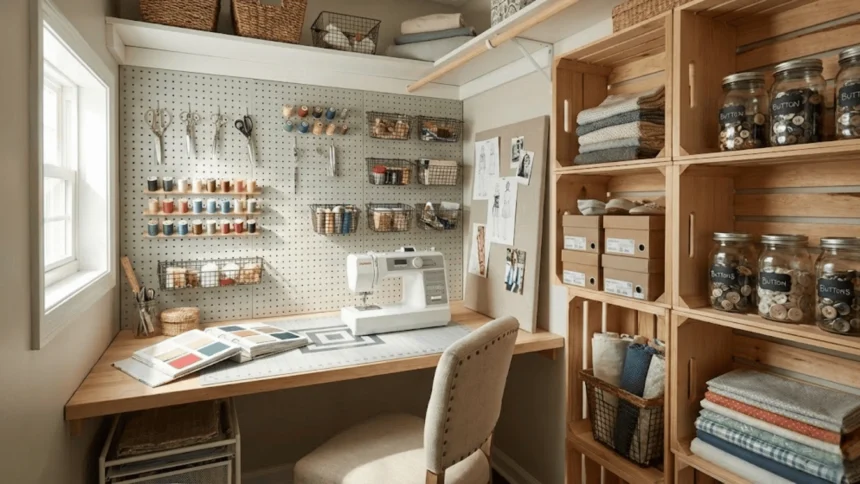
Finding a dedicated space for your creative passions can feel like a major challenge, especially when living in a home with limited square footage. Whether you enjoy painting, sewing, woodworking, model building, or crafting, trying to work on a shared dining table or in a crowded hallway often leads to frustration. Packing away your materials every time life calls disrupts your creative flow and wastes valuable time.
Fortunately, you do not need a massive room to build a functional, highly inspiring sanctuary. With strategic layout choices, smart storage solutions, and intentional design choices, you can convert even the smallest nook into a high-performance workspace. Here is how to make the most of every single inch in your small hobby room.
Maximize Vertical Space and Wall Real Estate
When horizontal floor space is tight, the best direction to expand is upward. Wall surfaces are often overlooked in home design, yet they offer incredible potential for keeping tools accessible without cluttering your main table.
- Install Modular Pegboards: Pegboards offer unmatched versatility. By mounting a sturdy pegboard above your primary desk, you can hang scissors, spools of thread, paintbrushes, and hand tools at eye level. You can easily adjust hooks and small bins as your tool collection grows.
- Add Floating Shelves: High-level floating shelves hold items that are used less frequently, such as extra supply boxes or reference books. Extending shelves all the way to the ceiling draws the eye upward, making compact rooms feel taller.
- Use Magnetic Strips and Tracks: For metal tools, palette knives, or precision shears, wall-mounted magnetic strips keep sharp implements safely stored and instantly within reach.
Invest in Multi-Functional and Foldable Furniture
In a small hobby space, every piece of furniture must earn its footprint by offering flexible utility. Heavy, rigid desks take up precious floor area even when you are not actively working.
- Drop-Leaf or Wall-Mounted Desks: A drop-leaf workbench or fold-down wall desk provides a generous, stable surface when open and folds completely flat against the wall when you are finished.
- Rolling Utility Carts: Multi-tiered rolling carts are perfect for keeping related tools grouped together. You can wheel the cart right next to your chair during a session and tuck it away into a closet or corner when you finish.
- Storage Ottomans and Stools: Replace basic seating with padded ottomans that feature built-in hidden storage compartments. They serve as comfortable seating while discreetly housing fabric scraps, yarn, or heavy supplies.
Establish Functional Workstations and Zones
Even within a tight footprint, dividing your room into distinct functional zones creates mental clarity and prevents physical chaos. Without defined zones, supplies from different stages of a project quickly turn into an overwhelming mess.
Try creating three core areas:
- The Prep Area: A dedicated spot for measuring, cutting, or staging raw materials.
- The Main Workstation: A clean, well-lit central zone with your primary tools, chair, and main work surface.
- The Drying and Storage Station: A quiet corner or rack dedicated to letting wet paint, glue, or finishes set without getting damaged.
Keeping your workflow organized through clear zones ensures you spend less time searching for misplaced items and more time crafting.
Prioritize Optimal Lighting and Ergonomics
Working in a cramped room should never come at the expense of your physical comfort. Poor visibility and bad posture cause eye strain, fatigue, and neck pain, bringing your project to an early halt.
Position your desk near natural light sources whenever possible. Supplement daylight with adjustable task lighting, such as a swing-arm LED lamp with color-temperature controls. Daylight-balanced bulbs accurately reflect the true colors of your paints or fabrics. Additionally, invest in a supportive ergonomic chair or keep an anti-fatigue mat beneath your feet if your hobby requires extended standing.
Expand Your Horizon Outward
If your interior rooms are fully maxed out and you still need a quiet, dedicated zone free from household noise, looking outside your main house walls is the ultimate solution. Converting a portion of your yard into a private studio gives you total control over lighting, ventilation, and noise levels.
For homeowners looking for an entirely separate, quiet studio space, exploring high-quality portable wooden buildings in Lafayette, LA offers a dedicated haven right in your backyard without disrupting your main home. A standalone wooden structure provides rustic charm, natural insulation, and full interior customization options—allowing you to build built-in shelving, electrical wiring, and custom workbenches from scratch.
Bring Your Creative Vision to Life
Designing a small hobby room is about prioritizing efficiency, organization, and inspiration. By utilizing vertical wall space, picking multi-purpose furniture, establishing clear workflow zones, and considering dedicated outdoor structures, you can build a personalized haven where your creativity thrives. No matter how many square feet you have available, thoughtful design makes every single inch count.