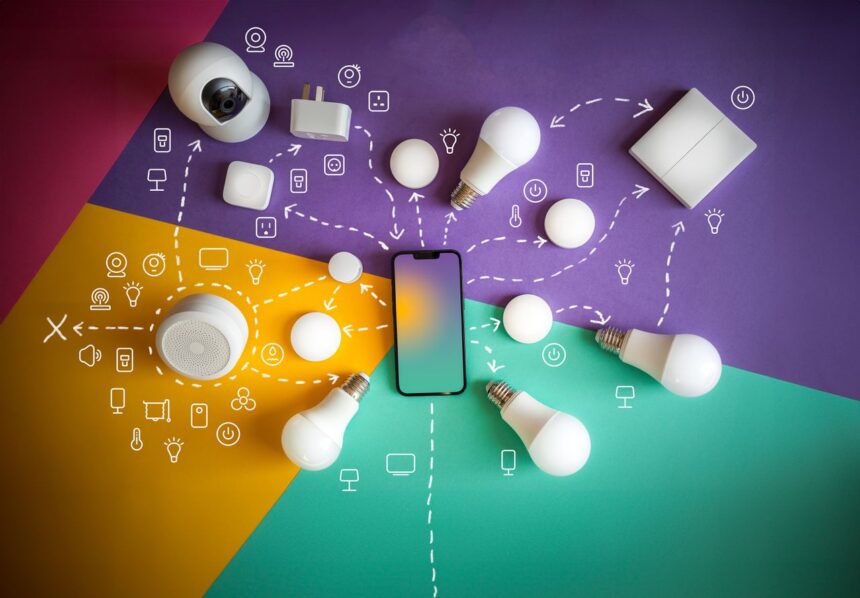
Nothing disrupts an important presentation faster than glare washing out the screen, poorly positioned lights, or a room full of controls that nobody knows how to operate. These frustrations often stem from one overlooked mistake: lighting and audiovisual systems were designed separately instead of working together. Effective integration starts with understanding how people actually use a space, then coordinating lighting, displays, sound, and automation around those needs. To understand how these elements come together in commercial environments, visit Pro Audio Services for an overview of integrated audiovisual solutions.
Lighting Should Adapt to How a Space Is Used
The most effective lighting systems are designed around everyday activities rather than technology alone. A conference room needs bright, even illumination for discussions but softer lighting during presentations. Restaurants may require different settings for daytime service and evening dining, while residential spaces benefit from lighting that changes naturally throughout the day.
Traditional switches and dimmers remain useful because they provide immediate, familiar control. However, programmable lighting scenes make it possible to adjust several fixtures simultaneously. Instead of changing individual settings, occupants can select a preset that suits their activity. Occupancy sensors and daylight-responsive controls add another layer of convenience, reducing unnecessary illumination when rooms are empty or sufficient natural light is available.
When Lighting and Audiovisual Systems Work Together
Lighting and audiovisual equipment influence the same physical environment, making coordinated planning particularly important. Excessive brightness can wash out projected images, while insufficient illumination makes note-taking and movement uncomfortable. A well-designed control system balances these competing requirements instead of prioritizing one at the expense of another.
Homes face a similar coordination problem, although everyday activities differ. Morning routines, movie nights, and evening relaxation all benefit from different combinations of artificial light and natural daylight. A residential automation plan developed by liaison technology group serving fort myers, florida can coordinate lighting with motorized window treatments and entertainment systems, allowing connected features to respond together. This approach makes everyday adjustments simpler while keeping the focus on comfort and convenience.
Consider a multipurpose meeting space used for presentations, video conferences, and training sessions. Integrated controls can activate appropriate lighting scenes alongside audiovisual equipment, reducing unnecessary adjustments before each activity. During presentations, lights near the display may dim while other fixtures maintain comfortable visibility. For video calls, balanced front lighting can improve how participants appear on camera without creating distracting reflections.
Choosing Controls That Fit the Building
Not every property requires the same level of automation. Smaller spaces may function perfectly well with programmable dimmers, occupancy sensors, and simple scheduling. Larger buildings often benefit from centralized digital control, which allows multiple lighting zones to be managed through a coordinated interface.
Digital lighting systems can support individual fixture control, automated scenes, and integration with broader building management technologies. Communication methods such as DALI, 0–10V dimming, and networked control protocols offer different capabilities, so compatibility should be considered during the design stage rather than after equipment has been purchased.
Wireless controls provide additional flexibility, particularly when renovating existing spaces. They can reduce the need for extensive new control wiring and allow devices to be repositioned as room layouts evolve. However, wireless convenience must be balanced against network reliability, building materials, and maintenance requirements. The most suitable approach is often a combination of technologies rather than a single universal solution.
Automation Should Make Life Easier, Not More Complicated
Automation loses much of its value when occupants struggle to understand it. Complicated interfaces, unreliable sensors, and poorly programmed schedules can create frustration even when the underlying equipment is sophisticated.
For this reason, manual overrides remain essential. People should be able to adjust lighting immediately without navigating multiple menus or waiting for an automated sequence. Wall keypads, clearly labeled scenes, and straightforward mobile controls can make sophisticated systems feel remarkably simple.
Sensor placement also deserves careful attention. An occupancy detector that cannot recognize someone sitting quietly may switch off the lights at an inconvenient moment. Likewise, daylight sensors must be calibrated to avoid constant brightness changes whenever clouds pass overhead. Testing under real operating conditions helps prevent these problems.
Plan for Long-Term Flexibility
Lighting requirements rarely remain unchanged. Offices rearrange workstations, hospitality spaces update their layouts, and households adapt rooms for new activities. A flexible control system should accommodate these changes without requiring extensive replacement of existing equipment.
Scalable controllers, accessible wiring, documented configurations, and compatible devices can simplify future upgrades. For network-connected systems, maintenance planning should also address software updates, secure access, and what happens during connectivity interruptions.
Perhaps most importantly, successful lighting integration requires collaboration between electrical, audiovisual, networking, and automation specialists. Decisions about fixture placement, control interfaces, and communication infrastructure influence one another, making early coordination valuable.
Smart lighting is ultimately about more than adjusting brightness. Whether supporting a presentation, improving workplace efficiency, or creating a comfortable living environment, thoughtful integration helps spaces respond naturally to the people using them. The best results come from choosing technology around practical needs and ensuring that every connected system contributes to a simpler, more adaptable experience.