When a refrigerator warms up, a washer leaves clothes sopping, or a dryer tumbles without heat, the next step often feels urgent. A few smart checks before you book service can protect your food, laundry, and schedule, and they also give a technician the clues needed to fix the problem in one visit. This is not a guide to repairing appliances yourself; it is a focused way to confirm basic supplies, observe symptoms, and capture details that matter. By ruling out simple issues like tripped GFCI outlets, closed water valves, or blocked vents, and by noting the exact behavior of your appliance, you reduce guesswork and avoid unnecessary replacement of parts. Share these observations when you schedule professional appliance repair in Niagara Falls.
-
Power, Water, and Venting: Rule Out the Simple Supply Issues
Start with power. Confirm the plug is fully seated, the breaker is on, and no extension cord is in use. Many appliances misbehave on undersized cords because of voltage drop, which can mimic control board faults. Check nearby GFCI outlets and reset only once; a repeatedly tripping GFCI points to a real fault that needs diagnosis. For appliances that use water, turn the shutoff valve fully open and note any signs of restricted filling without disassembling components. For dryers, verify the lint screen is clean, and the exterior vent hood opens freely; poor airflow overheats the cabinet and can blow a thermal fuse, leading to a complaint that the dryer runs but produces no heat. If supplies are confirmed and symptoms persist, share those checks when you schedule service with PrimeFix Niagara Appliance Repair of Niagara Falls so the technician arrives prepared.
-
Refrigerators: Warm Fresh Food but Cold Freezer
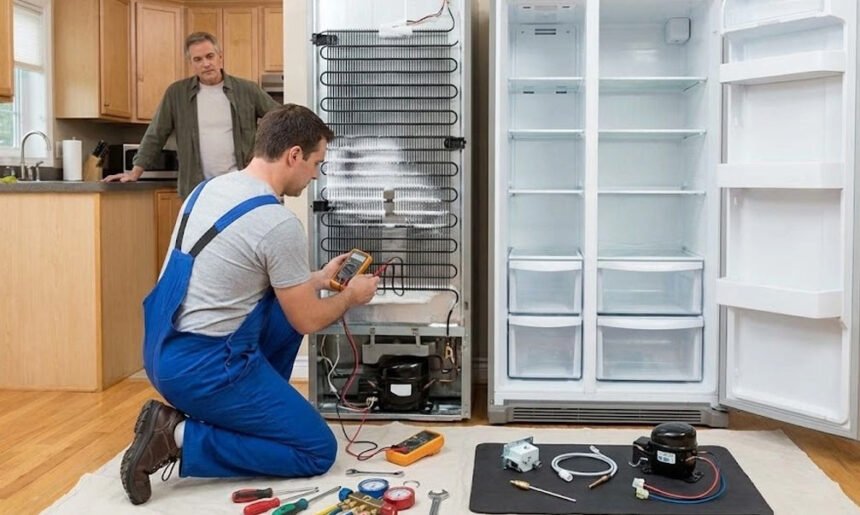
This common pattern usually points to an airflow problem between compartments. Open the refrigerator door and feel for air at the damper vent; weak or no flow suggests a stuck damper, a failed evaporator fan, or a coil packed with frost. Listen for the evaporator fan behind the freezer panel. A fan that never runs while the compressor hums is a strong clue, although some models pause the fan when the door is open. Evaporator coils blocked by frost from a defrost failure restrict air and raise fresh food temperatures even while the freezer seems fine. On the other hand, if the condenser coils are carpeted with dust, the compressor runs longer, cabinet temperatures drift, and energy use climbs. Clean accessible coils behind the toe kick or rear area with a coil brush after disconnecting power. Finally, inspect door gaskets for tears or gaps; warm air leaks force nonstop cooling and ice buildup around the air passages.
-
Washers and Dryers: Drain, Spin, and Heat Clues
When a washer completes a cycle, but clothes are wet, the cause is often a drain restriction or an unbalanced spin. Check that the drain hose is not kinked and that the standpipe is not backing up into the hose. Many front-loading washers have a coin trap or pump filter near the drain pump; a clogged filter leaves water in the tub and can damage the pump impeller. If your model permits homeowner filter cleaning, follow the manufacturer’s instructions and prepare for residual water. If the tub begins to spin and then stops, redistribute the load. Overfilled drums and mixed heavy items can trigger imbalance protection and shorten the spin. Persistent walking or banging can indicate worn suspension rods or dampers, which a technician can assess through movement checks and appropriate component testing.
For dryers that tumble but never heat, separate airflow from heat source issues. Check whether the exterior vent releases a steady flow of air while the dryer operates normally. Weak airflow may indicate a restricted duct that requires cleaning. Long duct runs, crushed flexible hoses, or lint accumulation at the exterior hood raise internal temperatures and can trip the thermal cutoff. If airflow checks out, an electric dryer may have an open heating element or a failed high-limit thermostat. A gas dryer with an igniter that glows but never lights may have faulty gas valve coils or another burner assembly problem. Because gas leaks and combustion carry safety risks, stop at observation and let a technician handle component testing and replacements. Do not operate a dryer with its vent disconnected.
-
Dishwashers and Ranges: Spray, Heat, and Ignition Patterns
A dishwasher that leaves grit or a cloudy film is often underfilling or failing to spray. Listen during the first five minutes: a proper fill produces a steady wash sound, not a hollow slosh. If it sounds empty, check that the shutoff under the sink is fully open. Inlet valve screens may also be restricted, but internal inspection is better left to a technician. Remove and rinse accessible spray arms according to the appliance manual; mineral and food debris block jets and disrupt the spray pattern. A door latch switch that does not fully engage may interrupt wash action as soon as the motor starts. If you can access the filter assembly, clean it and reseat the cover to maintain proper water circulation.
On electric ranges, a bake element that looks intact can still be faulty; observing the oven during normal preheating may provide useful clues. Depending on the model, the broil element may glow while the bake element remains dark and temperatures stall, pointing to a possible element or control relay problem. However, some ovens cycle elements in ways that are not directly visible. Gas cooktops that click without lighting often have wet or dirty igniters or clogged burner ports. Once the appliance is cool, gently clean accessible burner caps and rings according to the manufacturer’s instructions, and ensure caps are aligned. Consistent failure on more than one burner suggests a shared ignition problem, while a single stubborn burner may indicate local blockage or a failed spark electrode.
When to Stop Troubleshooting and Call a Technician
Observation ends, and diagnosis begins when symptoms involve sealed systems, high voltage, or gas. Examples include a refrigerator compressor that cycles off due to overheating, a dryer that repeatedly blows a thermal fuse after vent cleaning, visible electrical arcing at a range control, or any leak under a washer unrelated to hose connections. At this point, more testing without the right tools risks damage. A professional can test components like a defrost heater, door switch, drain pump, or igniter safely and trace faults through wiring diagrams. If you smell gas, leave the area and contact your gas utility or emergency services from a safe location.
Share concise details when you book: exact model number from the rating label, error codes on digital displays, when the issue started, and what you already checked. Short phone videos of noises or drips help. This information influences which parts the technician brings and can convert a repair requiring two trips into a single visit. Considertrade-offss too. Replacing a simple heating element on a dryer with a sound motor is usually sensible. But a refrigerator with repeated sealed system symptoms may be better evaluated for long-term cost and reliability. Either way, describing supply checks, airflow observations, and behavior under specific conditions leads to faster, cleaner outcomes.
After a repair, a bit of follow-through prevents repeat calls. Keep condenser coils clear, and do not push a refrigerator tight against the wall where it can overheat. For washers, use the correct detergent dose to reduce suds that trigger excessive suds errors and poor rinsing. Inspect hoses and drain lines for abrasion and movement during spin. For dryers, keep the vent run short, rigid where possible, and free of internal screws that catch lint. Clean dishwasher filters and spray arms periodically, and run a hot cleaning cycle to reduce buildup. These habits support the fix you just paid for and help your appliances operate as designed.