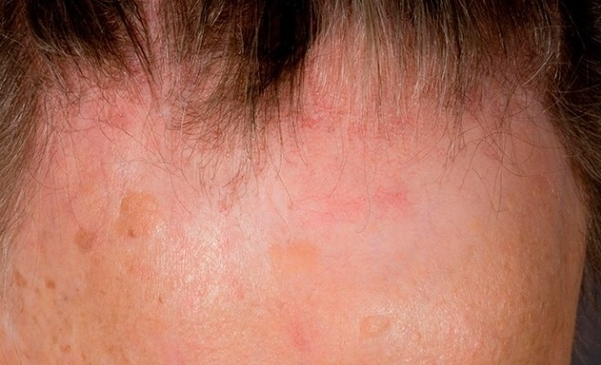
Social media is full of hair growth hacks, from rosemary oil and rice water rinses to scalp massages, biotin gummies and at-home microneedling. Some have limited but interesting evidence, some mainly improve how hair looks and feels, and others have little support at all. None of them reliably reverses genetic hair loss, and some can irritate the scalp if used carelessly. The most useful approach is to treat viral hacks as optional extras for scalp care, not cures, and to get a proper diagnosis if you notice ongoing thinning, a receding hairline or patchy loss.
If a hack sounds too good to be true on TikTok, it usually is in real life.
Why Hair Hacks Go Viral
Hair loss is personal and often emotional. Short videos showing thicker, shinier hair after a few weeks of using a kitchen ingredient are understandably appealing. They’re cheap, easy to try and feel natural.
The problem is that results in videos may reflect lighting, styling, haircuts, filters or normal hair cycles rather than the product itself. Many creators also don’t know what’s causing their hair loss in the first place.
Rosemary Oil
Rosemary oil became one of the most famous hair trends after a small 2015 study compared it with a low-strength minoxidil treatment in men with pattern hair loss and found similar modest improvements after six months.
What to know:
- Evidence is limited to small studies
- It must be diluted in a carrier oil to reduce irritation
- Results, if any, take months
- It isn’t a replacement for proven medical treatments
Patch test first, as essential oils can cause allergic reactions.
Rice Water
Rice water rinses are linked to long-standing beauty traditions in parts of Asia. Many users say hair feels smoother and stronger.
What to know:
- Little scientific evidence that it increases growth
- It may coat hair, making it feel thicker or shinier
- Overuse can cause build-up or dryness for some hair types
Think of it as a conditioning treatment rather than a growth solution.
Scalp Massage
Scalp massage is relaxing, free and easy. A small study in 2016 found that daily standardised scalp massage was associated with increased hair thickness in a handful of men over 24 weeks.
What to know:
- Evidence is promising but very limited
- It may help with relaxation and stress
- Gentle pressure is enough, as aggressive rubbing can cause breakage
Biotin and Hair Supplements
Biotin gummies are heavily marketed for hair growth, but supplements mainly help people who are actually deficient, and biotin deficiency is uncommon. High-dose biotin can also interfere with some laboratory blood tests, so tell your doctor if you take it.
If you suspect a deficiency, such as low iron or vitamin D, a blood test is more useful than guessing.
At-Home Microneedling
Dermarollers and microneedling pens are often promoted alongside topical treatments. Clinical microneedling has been studied in combination with hair loss medications, but at-home use carries risks:
- Infection if devices aren’t sterile
- Scalp irritation or scarring
- Inconsistent technique
It’s best discussed with a professional before trying.
Viral Hacks at a Glance
| Hack | What it may do | Evidence level | Caution |
| Rosemary oil | Possible modest support for growth | Limited | Dilute and patch test |
| Rice water | Improves shine and feel | Mostly anecdotal | Can cause build-up |
| Scalp massage | Relaxation, possible thickness gains | Very limited | Be gentle |
| Biotin | Helps only if deficient | Weak for general use | Can affect blood tests |
| At-home microneedling | May support treatments in clinics | Limited for home use | Infection and irritation risk |
What Actually Works for Hair Loss
Proven options depend on the cause. For pattern hair loss, treatments such as minoxidil and certain prescription medications have the strongest evidence. For hair loss linked to stress, illness or deficiencies, treating the underlying cause is key. The Mayo Clinic outlines many causes of hair loss and recommends seeing a doctor for sudden, patchy or persistent loss.
Because different causes need different approaches, getting an accurate diagnosis matters more than trying every new trend. Consulting hair loss specialists, such as the team at HS Hair Clinic on Harley Street, can help identify what’s driving thinning and which treatments are realistic, from medical options to restoration procedures.
How to Try Hacks Safely
If you’d still like to experiment:
- Patch test new products on a small area.
- Change one thing at a time so you know what’s working.
- Take photos in the same lighting every few weeks.
- Give treatments at least three to six months.
- Stop if you notice irritation.
Common Mistakes to Avoid
People often:
- Apply undiluted essential oils
- Expect results in a few weeks
- Use hacks to delay diagnosis
- Buy expensive supplements without testing
- Over-treat the scalp, causing irritation
Beyond the Trend
Viral hair hacks can be fun to try, and some may improve how hair looks or feels. But lasting results usually come from understanding the cause of hair loss and choosing evidence-based treatment.
Enjoy the rituals if you like them, keep expectations realistic and seek expert advice when thinning starts to worry you.