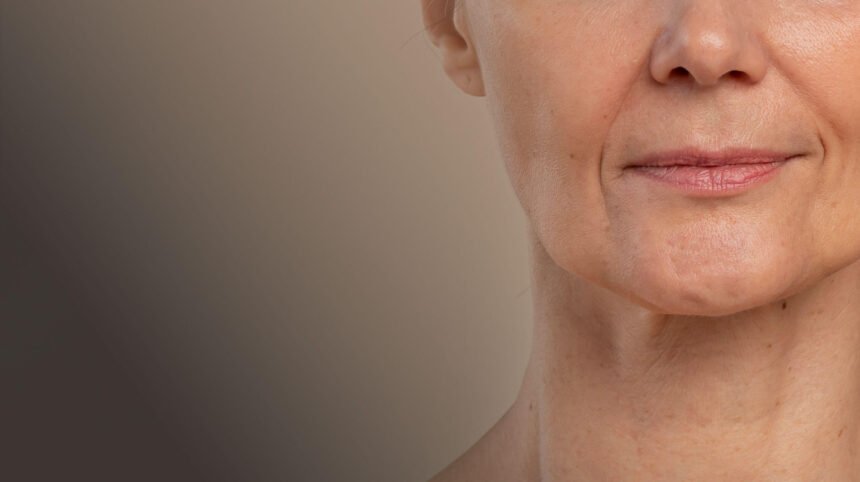
Healthy skin stretches and bounces back with ease. That spring comes from collagen and elastin, two proteins that keep skin firm and smooth. As we age, our bodies make less of both. Sun, stress and daily habits can speed up that loss. The first changes are often small, so they’re easy to miss. Spotting them early gives you more time to protect your skin. Here are the signs to watch for and simple ways to support firmer, hydrated skin.
Early Signs to Watch For
Loss of elasticity doesn’t happen overnight. It shows up slowly, often in your late 20s or 30s. MedlinePlus explains that with aging skin, skin becomes thinner and less plump and smooth. It can also become drier.
Look for these early changes in the mirror:
- Fine lines around eyes
- Slower snap-back when pinched
- Dry or rough patches
- Softer jawline edges
- Crepey skin on hands
You may also notice that pillow creases take longer to fade in the morning. These are all signs that your skin’s support system is changing.
Building a Skin-Friendly Routine
Plant antioxidants can also support your skin. Colorful fruits, vegetables and greens are rich in antioxidants, which may help protect skin cells from everyday damage. Pair them with good daily habits like using moisturizer, staying active and getting enough sleep.
If you want to add a supplement, look for one with several types of hydrolyzed collagen plus plant-based nutrients. Many people searching for the best collagen powder choose a blend that mixes easily and fits into their daily routine. Check with your doctor first if you’re pregnant, nursing or taking medication.
What Speeds Up the Loss
Age is only part of the story. Your daily habits play a big role in how fast your skin changes.
The American Academy of Dermatology shares ways to reduce premature skin aging. It says that sun exposure and tanning speed up skin aging. Smoking greatly speeds it up, too. The AAD recommends daily broad-spectrum sunscreen with SPF 30 or higher, even on cloudy days.
Diet matters as well. The AAD notes that some studies suggest eating plenty of fresh fruits and vegetables may help prevent damage that leads to early aging. Diets high in sugar may have the opposite effect.
How Collagen Peptides May Help
Hydrolyzed collagen peptides are collagen broken down into smaller pieces. This makes them easier for the body to absorb. Many people add them to coffee, smoothies or water. Since many collagen powders mix easily, they’re simple to use every day.
Research on collagen is still growing. A 2023 review of 26 clinical trials found that hydrolyzed collagen improved skin hydration and elasticity compared with a placebo. Results were better when people took it for more than eight weeks. However, the authors said larger studies are still needed. Some other reviews have found weaker results, so it’s best to keep your expectations realistic.
Collagen works best as one part of a healthy routine, not as a replacement for sun protection.
Conclusion: Support Your Skin From Within
Losing elasticity is a normal part of aging, but you can slow it down. Watch for early signs, protect your skin from the sun and fuel your body with good nutrition. Collagen peptides and plant antioxidants can be helpful additions to that plan. Try 1st Phorm Collagen with Dermaval and make skin support part of your everyday routine.