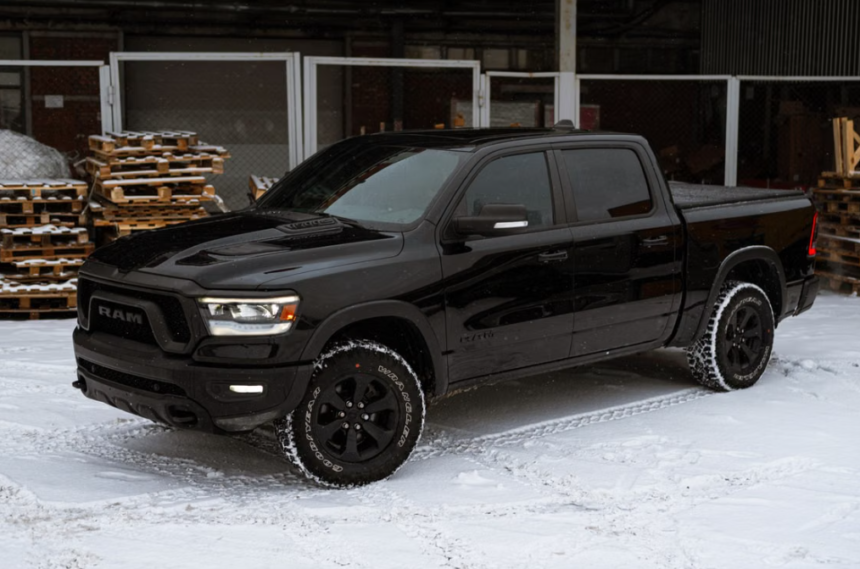
Diesel trucks like the Ram Cummins can handle winter well, but cold weather exposes weak spots fast. The main risks are hard starts, fuel gelling, tired batteries, clogged fuel filters and coolant that isn’t ready for freezing temperatures. A little preparation goes a long way: use winter-blend fuel or an anti-gel additive, plug in the block heater on cold nights, test and replace weak batteries, change fuel filters and drain water separators, and check coolant, belts and tires before the first hard freeze. Done early, winter prep keeps your truck starting reliably on the coldest mornings.
A diesel truck that won’t start at 6 a.m. in January isn’t a truck. It’s a very heavy lawn ornament.
Why Diesels Struggle in the Cold
Diesel engines rely on compression heat rather than spark plugs to ignite fuel. When the engine, air and fuel are all cold, reaching ignition temperature becomes harder. Cummins engines in Ram trucks use an intake air heater to help, but cold weather still puts extra strain on batteries, starters and fuel systems.
On top of that, diesel fuel itself changes in the cold. Waxes in the fuel can begin to solidify, clouding the fuel and eventually clogging filters, a problem often called gelling.
Start With the Fuel
Fuel is the most common cause of winter diesel trouble.
- Use winter-blend diesel from stations that adjust fuel for the season.
- Add an anti-gel additive before temperatures drop, not after problems start.
- Keep the tank fuller, which reduces condensation inside the tank.
- Drain the water separator regularly, as water can freeze and block fuel flow.
- Carry a spare fuel filter on long trips in cold regions.
Once fuel has gelled, fixing it is much harder than preventing it.
Batteries and Starting
Cold weather reduces battery performance while increasing the power needed to crank a diesel. Many Ram Cummins trucks use two batteries for this reason.
- Test both batteries before winter.
- Replace them as a pair if one is weak.
- Clean terminals and check cables for corrosion.
- Make sure the intake heater works, since a failing heater can lead to hard starts.
Use the Block Heater
A block heater warms engine coolant overnight, making cold starts easier on the engine and reducing wear. Plugging in on very cold nights can make the difference between an easy start and a dead battery.
Check that the cord and plug are in good condition before you need them, and consider a timer so the heater only runs in the hours before you drive.
Winter Prep Checklist
| System | What to check | Why it matters |
| Fuel | Winter blend, additives, water separator | Prevents gelling and blockages |
| Filters | Fuel and air filters | Keeps fuel flowing and engine breathing |
| Batteries | Load test, terminals, cables | Provides enough cranking power |
| Block heater | Cord, plug and function | Eases cold starts |
| Coolant | Strength and condition | Prevents freezing and overheating |
| Belts and hoses | Cracks and wear | Cold makes rubber brittle |
| Tires | Tread and pressure | Improves traction on ice and snow |
Driving Smart in Cold Weather
Cold weather also affects efficiency and wear. The U.S. Department of Energy notes on FuelEconomy.gov that fuel economy typically drops in cold temperatures, partly because engines take longer to reach efficient operating temperature.
Helpful habits include:
- Avoid long idling sessions, which can be inefficient for diesels
- Drive gently until the engine warms up
- Keep an emergency kit with blankets, a flashlight and a tow strap
- Check weather before towing in winter conditions
When Parts Need Replacing
Winter often reveals worn components that held up fine in summer, such as tired sensors, cracked hoses, weak heater elements or aging fuel system parts. Replacing them with Cummins-specific components designed for your engine generation, available from suppliers such as Diesel Patriots, helps keep repairs reliable and avoids fitment problems.
Common Winter Mistakes
Diesel owners often run into trouble when they:
- Add anti-gel only after the fuel has gelled
- Ignore weak batteries until they fail
- Skip draining water separators
- Forget to plug in the block heater
- Run summer fuel too late into the season
Ready for Whatever Winter Brings
A well-prepared diesel truck can handle snow, ice and freezing mornings with confidence. Treat winter prep like any other maintenance job, start before the first hard freeze and keep an eye on fuel, batteries and heaters throughout the season.
Your Cummins will thank you every time it fires up on a frozen morning.