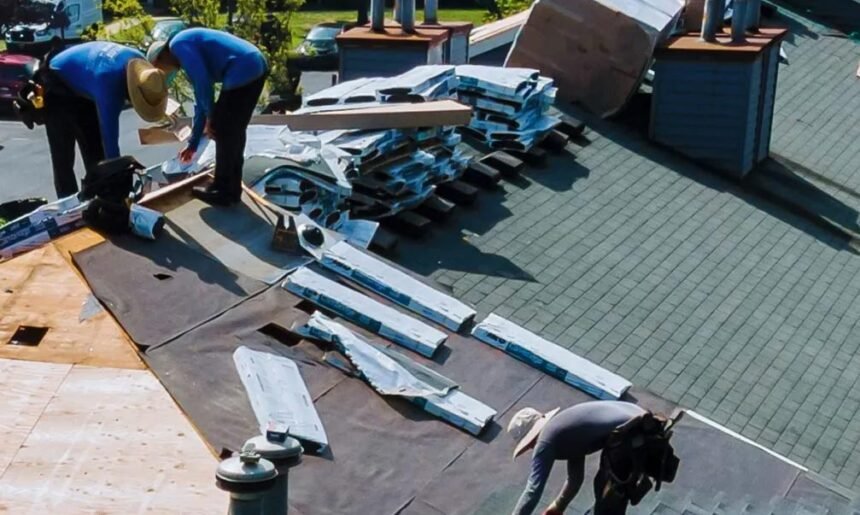
Finding the right roofer is part inspection, part planning, and part understanding how East Tennessee’s climate treats a roof over time. Heiskell sees humid summers, strong sun, heavy downpours, and the occasional cold snap. Those conditions change how shingles seal, how metal panels move, and where flashing tends to fail. Before you agree to a repair or replacement, ask practical questions about materials, installation timing, ventilation, and the details that keep water out at chimneys, valleys, and eaves. The answers reveal whether a contractor is designing for this area’s weather rather than installing a one-size-fits-all system.
-
How East Tennessee Weather Stresses a Roof
UV exposure dries shingle mats and ages granules, while humidity and shade invite algae and moss. Sudden downpours push water sideways into weak points like open valleys, wall step flashing, and pipe boots. Freeze-thaw cycles can lift brittle sealant. Tree canopies keep shingles cooler but slow drying after storms, which encourages streaks and growth. When interviewing a roofer, ask how their proposal handles wind-driven rain at valleys and transitions, and how they mitigate algae in shaded sections. Guides such as https://henleyroofing.net/ can also help you understand common roof systems used in this region.
Two real-world scenarios highlight the risks. On a ranch home with mature oaks, leaves can clog a closed-cut valley, driving water under the shingle lap during a summer cloudburst. Without a waterproof membrane beneath, the deck can stain or rot. At a chimney, reusing old flashing may seem faster, but dried sealant around the counterflashing can let in water during a sideways storm, showing up as a stain far from the actual leak point.
-
Material and Underlayment Choices That Fit Heiskell Homes
Architectural asphalt shingles remain popular because they balance cost, curb appeal, and reliable wind ratings when installed with proper starter strips and nailing patterns. For shaded roofs that streak, algae-resistant shingles with copper-containing granules help slow discoloration. Metal, especially standing-seam, resists algae and sheds heavy rain well, but expansion and contraction make flashing details, clip spacing, and underlayment choice critical. Beneath either system, a synthetic underlayment provides slip resistance and tear resistance, while a peel-and-stick ice-and-water membrane belongs at eaves, valleys, roof-to-wall transitions, and around penetrations. The trade-off is upfront cost. Adding more self-sealing membrane and upgraded flashing increases the bill, but it reduces risk in the spots most likely to leak.
-
Ventilation, Flashing, and Valleys: Small Details, Big Consequences
Balanced attic ventilation is not a buzzword. Adequate soffit intake paired with a ridge vent keeps deck temperatures steadier, helps shingles last longer, and reduces winter condensation. Installing a bigger ridge vent without opening blocked soffits only depressurizes the attic and can draw conditioned air from the house. At walls and chimneys, insist on new step flashing and properly cut counterflashing rather than caulk-only fixes. Ask which valley style they recommend and why. W-style valley metal handles high-volume runoff well, while a closed-cut shingle valley is common on mid-slope roofs. Around pipes, quality boots and correct fasteners matter. On older homes with low-slope porch tie-ins, extending peel-and-stick membrane and carefully lapping metal or shingle courses can prevent capillary leaks.
-
Scheduling and Installation Timing by Season
Shingle seal strips are heat-activated. Warm, sunny days help them bond quickly and resist wind uplift. In cool weather, installers should hand-seal shingles per manufacturer guidance at hips, ridges, and rakes. Sealants and flashing tapes also cure faster in moderate temperatures. That does not mean winter work is impossible, but it does change the steps and time on site. Spring and early summer often book up quickly after stormy periods, so build lead time into your plan. If you choose metal, temperature swings during installation can affect panel handling and clip tension; crews account for that with layout and fastening patterns. A thoughtful schedule reduces call-backs and protects landscaping and attics during tear-off and underlayment stages.
-
Deciding on Tear-Off vs. Overlay
An overlay places new shingles over existing ones, which can shorten project time and reduce disposal needs. The catch is what you cannot see. Hidden deck damage, soft spots near eaves, and loose nails do not vanish under a second layer. Overlays also add weight and can complicate future repairs, since fasteners may not grip as securely through multiple layers. A full tear-off costs more up front, but it lets crews replace rotten decking, correct warped edges, and install continuous underlayment, ice-and-water protection, and drip edge. For homes with past leaks, complex valleys, or chimney issues, tear-off is often the more reliable path.
Maintenance Milestones After the Work Is Done
A roof is a system, and systems need simple upkeep. Clean gutters and downspouts in the fall and after major storms so water clears the eaves instead of backing up under the first course. Trim branches to keep valleys free of debris and to limit abrasion on shingles or metal coatings. Once a year, scan vulnerable points from the ground or with photos: pipe boots, skylight corners, wall flashing, and ridge caps. In shaded zones, gentle cleaning products made for roofing and zinc or copper strips can slow algae regrowth. On exposed-fastener metal roofs, periodic checks for backed-out screws and aged washers reduce drip risks. If you see lifted shingles or staining on interior ceilings, act quickly before a small intrusion becomes deck damage.
Local conditions reward careful planning. Ask roofers how their proposal addresses Heiskell’s heat, humidity, and sudden rain, and listen for specifics about underlayment placement, flashing replacement, ventilation balance, and seasonal installation steps. Discuss material trade-offs openly, including algae resistance, impact ratings, and future maintenance. Request photos during tear-off so you know what was discovered and fixed. A roof that is planned for this climate, detailed at its weak points, and maintained with a few steady habits will protect your home longer and with fewer surprises.