Foley’s long cooling season, high humidity, and salty coastal air push central AC systems hard. When a unit stops cooling or starts freezing up, guessing at the cause wastes time and can make a small problem worse. This playbook walks through a practical sequence you can use before and during a service visit: stabilizing thermostat settings, restoring airflow, checking for drainage faults, and recognizing symptoms that point to refrigerant or electrical issues. By observing what happens and when it happens, you give a technician specific clues that shorten diagnosis. The result is faster repairs, fewer return visits, and better comfort during the peak Gulf heat.
-
How Foley’s Climate Stresses AC Systems
High moisture in the air raises your system’s latent load, so the air conditioner runs longer to remove water at the evaporator coil. Long run times, combined with salt air, increase wear on outdoor parts like the condenser coil, contactor, and fan motor. Oversized equipment short-cycles and never dehumidifies well, which can leave rooms clammy even at a low thermostat setting and can also accelerate compressor and relay wear. These climate pressures make airflow restrictions and condensate backups more likely to show up right when the heat index spikes.
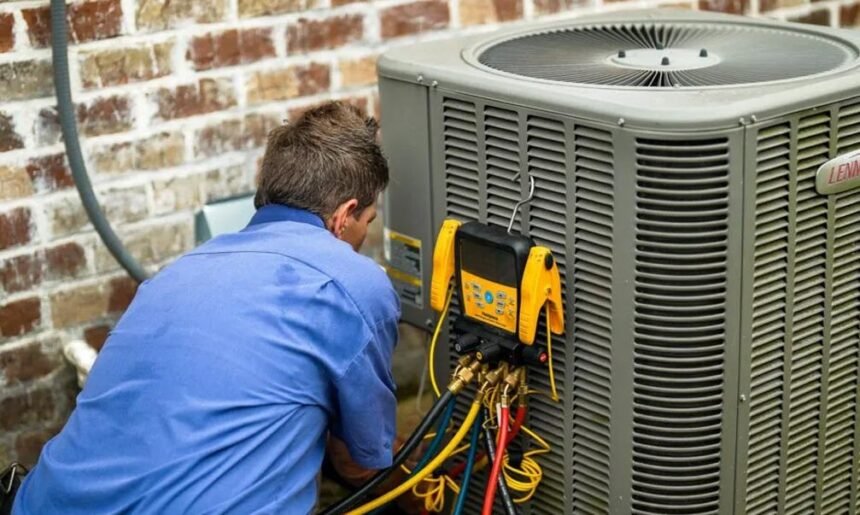
When you need professional help, it pays to describe symptoms clearly and choose a provider that explains its process. Many Foley homeowners start by comparing service checklists and contact options at resources like www.theairmax.com, then call with notes on frost, noises, or tripped safety switches. Good notes help the technician bring the right parts and test instruments.
-
Start Simple: Thermostat, Filter, and Airflow Path
Confirm the thermostat is on Cool, the fan is set to Auto, and any low batteries are replaced. Drop your set point 2 to 3 degrees and wait ten minutes to see if the supply air cools steadily. Next, check airflow. A clogged return filter raises static pressure and starves the evaporator coil, which lowers coil temperature and can start an ice layer. Dirty blower wheels and closed supply registers have the same effect. If the large suction line at the air handler frosts or the grille blows weakly, restricted airflow is a prime suspect.
Furniture or rugs blocking a return grille can mimic a “low charge” freeze-up. One common scenario: a couch slides over the return during a rental turnover, the filter collapses, and by midafternoon the evaporator coil is a block of ice. Power the system off and let it thaw fully before restarting. Running with ice in place can flood the condensate pan when the sheet of ice melts, and can also overheat the compressor when airflow is restored suddenly.
-
Refrigerant Clues You Can Spot Without Gauges
Homeowners should not connect gauges or add refrigerant, but you can note symptoms that point to charge or metering problems. Frost forming on the indoor coil or suction line after 30 to 60 minutes of run time often signals low evaporator pressure, which can stem from a refrigerant leak or a stuck thermostatic expansion valve (TXV). Short bursts of cooling followed by warm supply air can indicate a starved evaporator or a TXV losing control. Outdoors, a very hot, loud condenser fan discharge can hint at high head pressure from overcharge or a blocked condenser coil.
There is a trade-off between “topping off” and fixing the root cause. Adding R-410A without leak detection can restore cooling for a time, but continued loss risks compressor damage and higher energy use. Technicians use superheat and subcooling measurements to verify charge and TXV function. For example, high subcooling with normal superheat often points to overcharge, while low superheat with frost suggests underfeeding or airflow issues. Sharing how the system behaves over time helps the tech choose the right tests.
-
Electrical and Safety Cutoffs That Stop Cooling Suddenly
Several small components can halt an otherwise healthy system. A worn contactor may chatter or weld shut. A bulged capacitor can keep the compressor or condenser fan from starting, so you might hear a brief hum followed by silence as the compressor’s thermal overload opens. Low-voltage shorts at the outdoor unit (often ants inside the control wiring or contactor) can blow the control fuse. Safety devices, like high-pressure or low-pressure switches, trip when conditions move out of range to protect the compressor.
Resist the urge to keep resetting a tripped breaker. Repeated trips point to deeper faults and can shorten compressor life. Safer homeowner observations include listening for the contactor click when the thermostat calls for cooling, noting whether the indoor blower runs when the outdoor unit does not, and peeking at the condensate pan for standing water. Record which component stops first and how long it runs. That timeline can distinguish a weak capacitor from a pressure switch reacting to a fan failure or a blocked condenser coil.
Condensate Drainage: Water Problems That Look Like Cooling Problems
Gulf humidity means your air handler can produce several gallons of condensate on a peak day. If the primary drain line clogs with algae, water backs up into the drain pan. A float switch then interrupts the thermostat circuit to prevent overflow, and the system stops cooling even though all major parts are healthy. Attic air handlers add risk because a secondary pan can overflow and stain drywall before the float trips. You may also see sweating on the suction line if its insulation is missing or saturated.
Two homeowner steps are often safe: vacuum the drain line from the outside termination and flush with a mild vinegar solution to inhibit algae. Avoid high-pressure blasts that can break the trap. If a storm causes brief power flickers and the unit stops afterward, check the pan for standing water and the float switch position. After a drain is cleared and the float resets, plan simple aftercare: install a dedicated drain cleanout, keep the suction line insulation intact, rinse the outdoor condenser coil gently with a garden hose (not a pressure washer), keep at least two feet of clearance around the unit, and replace a MERV 8 to 11 filter every 30 to 60 days during peak season.
When your AC falters in Foley, use a steady sequence: confirm controls, restore airflow, rule out drainage faults, and then consider refrigerant and electrical causes. Note the sounds you hear, surfaces that ice, water in pans, and the timing of any shutdowns. Those specifics make professional diagnosis faster and help you avoid repeated part swaps. In some cases, such as recurring leaks or severe salt-air corrosion on a condenser coil, repair may only buy time. A trusted technician can explain when a targeted fix is smart and when replacement avoids mounting costs and moisture problems in the next heat wave.