Local Cost Of Living Variations
When traveling abroad, the value of your U.S. dollars can fluctuate. If the dollar is strong compared to the local currency, your money goes further, making things cheaper. Conversely, a weaker dollar means a higher cost of living. It’s smart to check the current exchange rate before your trip to get a general idea of how much things might cost.
Familiarize Yourself With Exchange Rates
Knowing the exchange rate is key. It tells you how much of one currency you can get for another. For example, if the rate is 1 USD to 0.90 EUR, then one U.S. dollar buys you 0.90 Euros. This helps you quickly calculate prices. Always aim to understand the current exchange rate before you start spending. This knowledge helps prevent overspending and makes budgeting much simpler.
Avoid Unfavorable Dynamic Currency Conversion
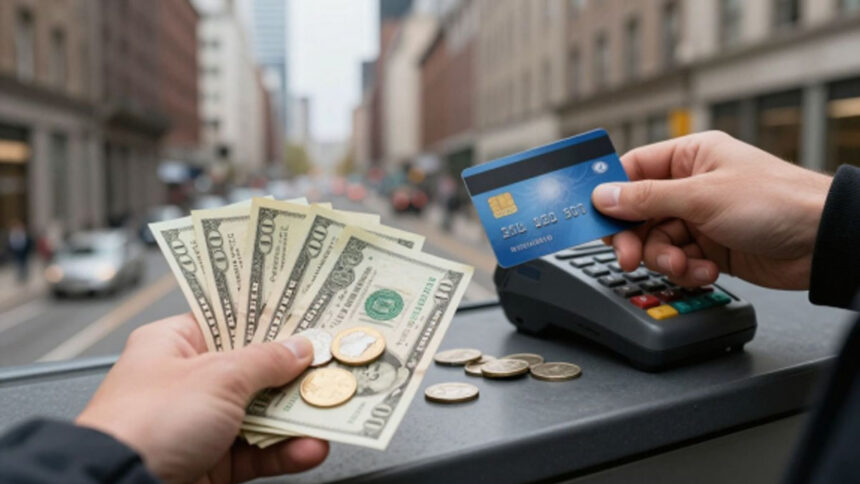
Dynamic Currency Conversion (DCC) is when a merchant offers to charge you in your home currency (U.S. dollars) instead of the local one. While it might seem convenient, the exchange rate used for DCC is often worse than what your bank would give you. It can also come with extra fees. When given the choice at a payment terminal or ATM, always select to be charged in the local currency. This way, your bank handles the conversion, usually at a better rate.
When a payment terminal asks if you want to pay in USD or local currency, always choose local. It might seem like a small thing, but it can save you money over the course of your trip.
Accessing Funds Abroad
Getting your hands on money when you’re in a foreign country can feel like a puzzle. Thankfully, there are several reliable ways to make sure you have the cash you need without too much hassle. It’s all about knowing your options and planning ahead.
Utilize ATMs For Local Currency
Using ATMs is often the most straightforward method for getting local cash. Most international airports and cities have plenty of ATMs available. Before you leave, it’s a good idea to check with your bank about their policies on international ATM use. Some banks have partnerships with foreign banks, which can mean fewer fees. Always be aware of your surroundings when using an ATM, especially in unfamiliar areas.
Leverage Credit And Debit Cards
Credit and debit cards are widely accepted in many countries, particularly for larger purchases. However, it’s important to understand the fees your card issuer might charge for foreign transactions. Some cards have no foreign transaction fees, which can save you a good amount of money over your trip. It’s also wise to inform your bank and credit card companies of your travel dates to prevent your cards from being flagged for suspicious activity. Having a backup card is always a smart move.
Consider Mobile Payment Options
Mobile payment systems are gaining traction globally. Apps like Apple Pay, Google Pay, and others are becoming more common in certain regions. Before relying on these, research whether they are widely accepted in your destination. While convenient, it’s important to ensure your device and accounts are secure. If mobile payments are a viable option, they can simplify transactions and reduce the need to carry as much physical currency.
Strategies For Obtaining US Dollars
Inquire About Sister Bank Partnerships
Some U.S. banks have relationships with banks in other countries. These are often called “sister banks.” If your bank has such a partnership, you might be able to use their affiliated ATMs abroad without paying extra withdrawal fees. It’s worth asking your bank if they offer this benefit before you travel. This can be a simple way to save money on transaction costs.
Exchange Currency Before Departure
Getting some local currency before you leave the U.S. can be helpful. You can often exchange currency at your local bank or credit union. While they might not always offer the absolute best rate, it’s convenient and can save you the hassle of finding an exchange service immediately upon arrival. Having some local cash on hand upon landing is always a good idea. Before departure, UK travellers can also use Buy US Dollars through Travel FX to order dollars online with multiple payment options and delivery arranged ahead of their trip.
Buy US Dollars At Local Banks
While you’ll primarily need local currency, there might be situations where having U.S. dollars is beneficial. Local banks in your destination country can sometimes be a good place to exchange currency, potentially offering better rates than airport kiosks. Always compare rates if you need to buy U.S. dollars or exchange other currencies.
Managing Cash And Transactions
Carry a Small Amount of Local Cash
It’s a good idea to have some local currency on hand when you arrive. Many smaller shops or market vendors might not take cards, especially for minor purchases. Having a bit of cash means you can buy a snack or a souvenir without a fuss. This small amount of local cash can be a lifesaver for immediate needs. It also helps you get a feel for the local economy right away.
Understand ATM Withdrawal Limits and Fees
ATMs are generally a good way to get money, but watch out for fees. Your bank back home might charge you, and the local ATM operator could too. It’s smart to check with your bank about their international fees and daily withdrawal limits before you leave. Some banks have partnerships with foreign banks that can waive these fees. Knowing these limits helps you plan your withdrawals and avoid surprise charges. Managing your cash flow effectively means understanding these ATM rules.
Prioritize Chip-and-PIN Technology
Many countries now use chip-and-PIN for card transactions, which is different from the signature system common in the U.S. If your cards don’t have a chip, contact your bank to get updated ones. This technology is more secure and widely accepted. Using chip-and-PIN cards makes transactions smoother and safer when you’re managing your money abroad. It’s a simple step that makes a big difference in daily transactions.
Ensuring Financial Security
Be Vigilant At ATMs
When using ATMs abroad, it’s smart to be aware of your surroundings. Look for machines that are well-lit and in secure locations, like inside a bank. Always shield your PIN when you enter it. If anything seems off, like a loose card reader or a strange keypad, it’s better to find another ATM. This simple step helps protect your money from potential theft.
Secure Your Financial Information
Keeping your financial details private is key. Make sure your credit and debit cards have chip-and-PIN technology, as this is standard in many countries and adds a layer of security. When you’re not using them, store your cards and any sensitive information safely. It’s also a good idea to let your bank know your travel dates so they don’t flag your transactions as suspicious. This helps prevent your cards from being blocked unexpectedly.
Establish Backup Funds And Plans
Unexpected things happen, so having a backup is always wise. Don’t rely on just one card or one bank. Carry a small amount of emergency cash, perhaps $100 in US dollars, for those moments when cards might not work. Also, consider having a second debit or credit card from a different bank. This way, if one card is lost, stolen, or blocked, you still have access to funds. Having multiple ways to access money is a solid plan for financial security while traveling.
Budgeting And Smart Spending
Research Local Expenses In Advance
Before you even think about packing your bags, take some time to figure out what things actually cost where you’re going. Prices for everyday items can be wildly different from one country to another. Look up typical costs for food, getting around, and maybe even a fun night out. This kind of research helps you create a realistic budget, so you don’t get any nasty surprises when you arrive. It’s all about knowing the lay of the land financially before you step foot there.
Track Spending With Budgeting Tools
Once you’re on the ground, keeping an eye on your money is key. You can use apps on your phone or even a simple notebook to jot down what you’re spending. This helps you see where your money is going and if you’re sticking to your plan. Regularly checking your spending against your budget prevents overspending. It’s a good habit to get into, making sure your funds last for your entire trip. This practice is vital for smart spending.
Explore Cost-Effective Transportation
Getting around doesn’t have to break the bank. Public transport is often a much cheaper way to see a city than taxis. Buses, trains, and subways can be great options. Sometimes, walking or biking is even better for short distances, and you get to see more that way. Think about what makes the most sense for your destination and your wallet. Choosing wisely here can save you a good chunk of change.
Planning your expenses ahead of time is the first step to a stress-free trip. Knowing what to expect financially allows for more flexibility and enjoyment during your travels.
Conclusion
Traveling abroad means getting smart about your money. By understanding exchange rates, knowing how to get local cash, and keeping your funds secure, you can avoid unnecessary fees and spend more time enjoying your trip. Always have a backup plan, track your spending, and research costs beforehand. A little preparation goes a long way in making your international adventure financially smooth.