When parents want to improve their family’s nutrition, they might seek out quick and easy ways to do so while avoiding the drastic changes they may otherwise want to make to their regular eating habits. Small changes, like selecting food with healthy ingredients, can make a big difference in the way children eat. One of the most recognizable condiments served on lunch plates, snack platters, and dinner tables can be a smarter choice when made with real vegetables and carefully chosen ingredients. That’s where healthy tomato ketchup becomes a viable family choice for everyday meals to be more than just tasty.
One way families are not using sugary add-on items to encourage their children to eat is to use condiments that enhance the nutrition instead of competing with it. Eating healthy foods is easier when your child loves them. A tasty addition can help kids stay engaged in eating and contribute to improved eating habits.
Why Everyday Condiments Matter More Than Parents Think
Children are already eating a lot of nutritious ingredients, including whole wheat sandwiches, veggie sticks, grilled snacks, or homemade wraps. But the sauces accompanying these foods are hardly noticed even if they are eaten daily. Children are also fond of dipping and spreading sauces so the quality of the sauces should be taken into consideration as well.
The choices made with real vegetables and carefully selected ingredients can help families make healthy food adjustments without altering the recipes their kids love. Instead of just another food, parents can consider sauces as another chance to offer healthy foods and help keep familiar tastes that promote regular eating patterns.
Looking Beyond the Nutrition Label
While reading nutrition labels is helpful, often the ingredient list can give a better idea of product quality. Parents like to see ingredients they recognize rather than long lists of ingredients that have unfamiliar additives. Foods made with familiar food components tend to fit into a healthier family diet more readily.
Building Better Eating Habits Through Familiar Flavors
The serving suggestions evaluation also allows families to gauge how often a condiment might come up during the week. A product that is added to sandwiches, roasted vegetables, homemade burgers, or baked snacks should be a positive addition to the product rather than just a sweet addition or unnecessary filler.
Little ones pick up their food preferences in the same way as we do, by trial and error. When introducing vegetables or healthier homemade recipes, familiar flavors served with nutritious foods can help minimize hesitation. Positive experiences with balanced foods over time can help children to become more confident in trying new foods.
How to Make Balanced Plates Without Adding Complications to Your Meals
To create healthy meals, there’s no need for complicated recipes or specialty ingredients. Eating plates for most families can be enjoyable and satisfying using foods that are easy to find in the kitchen. Mix vegetables, lean proteins, whole grains, and flavorful sides together to build meals that meet the nutrition needs and tastes of children.
The following are positive ways to make everyday meals a more balanced meal:
- Serve fresh sticks of vegetables with homemade sandwiches.
- Use whole grain breads, wraps, or rotis, if available.
- Offer grilled or baked snacks, rather than deep fried snacks.
- Serve fresh fruit with lunch or dinner snacks.
- Promote colorful plates that depict vegetables from various categories.
- Maintain a normal size of food portions, but let kids learn to feel hunger and satiety.
Making Good Food Choices for Everyday Meals at Home
It’s a fact that many parents have found over time that it makes a difference if their food is thoughtfully selected. Vegetable-based foods, naturally familiar foods, and well-balanced sweetness can be used for lunch, snack plates, and quick dinners without the need for a huge change in family eating patterns. Focusing on what’s in the common foods that you use often in your kitchen can help you make nutritious choices when preparing meals that support healthy lifestyles.
Scrutinizing the ingredients’ quality also leads to better purchasing decisions. Vegetable and kitchen-inspired products enable parents to offer familiar favorites without compromising on their instincts and confidence regarding what ends up on the dining table. Opting for tomato sauce without preservatives can be used as a great side dish for homemade pizza, pasta dishes, baked appetizers, and wraps, and can be an aid to a cleaner ingredient strategy for normal cooking.
Making Kids’ Meals More Appealing
Children are often more affected by how something is presented than by what it tastes like. Use bright colors, fun shapes, and appealing ways to serve healthier foods to help young eaters eat them in a nonpressured way. Even basic recipes get more fun when paired well.
Creative Presentation Ideas
A few suggestions to do this are:
- Fill colorful veggie snacks on fun plates.
- Make mini sandwiches using whole grain breads.
- Go for baked potato wedges rather than french fries.
- Offer fruits in the afternoon snack time.
- Invite children to participate in the creation of their own wraps or sandwiches.
Encourage Children to Participate
When children join in at meal time, they also develop interest in the items of food being prepared. They may be more inclined to eat a food when they have helped prepare it, such as washing vegetables, spreading toppings, or setting up snacks.
Final Thoughts
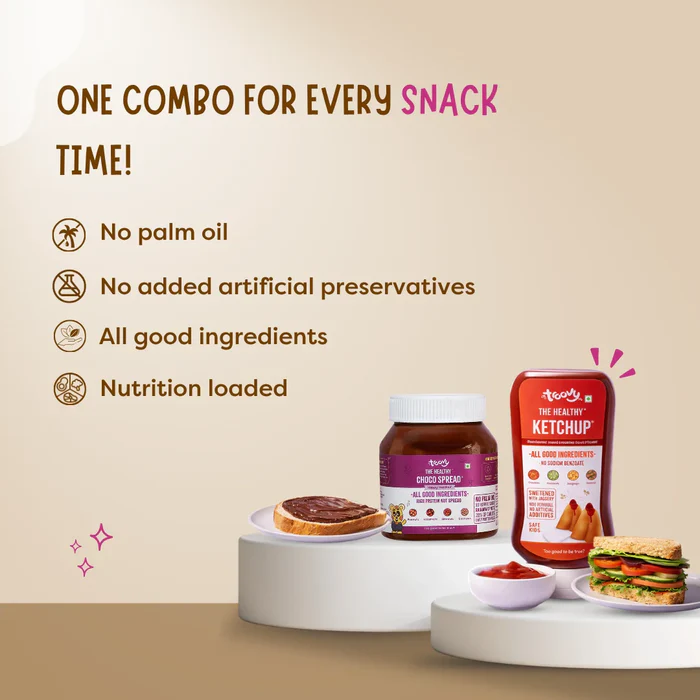
Want to make everyday meals healthier without altering kids favorites? The little things that you make here and there add up. Choosing products with carefully selected ingredients and using them in well-balanced family meals, parents can lead their children in the right direction naturally. Following this philosophy, Troovy provides a variety of food products that help make it easier to offer healthy food choices at the table while maintaining the fun. These products can be used in the context of sandwiches, homemade snacks, or family meals, and can be an important part of healthy after school snacks for kids while providing familiar flavors for everyday nutrition.