Heat pump performance in Las Vegas often hinges on precise system calibration relative to the harsh desert environment. When these units struggle to maintain a comfortable indoor temperature, they often signal a mismatch between internal settings and external demands. Addressing these performance gaps requires a thorough evaluation of the system components and environmental factors.
Checking thermostat settings vs. sensor calibration
If the system fails to hit temperature, start by verifying the thermostat configuration and ensuring sensor accuracy. Calibration offsets can occur over time, leading to inconsistent cycles that keep the home from reaching set points throughout the day.
Identifying ductwork leaks in arid environments
Leaking ducts are particularly problematic in dry climates where conditioned air escapes into unconditioned spaces like attics. Inspecting the connections around air handlers ensures that the energy consumed goes directly toward cooling your rooms rather than wasted efforts in crawl spaces.
Troubleshooting reversing valve failure
A malfunctioning reversing valve is a common source of performance issues, often causing the unit to output warm air during the cooling season. When this component sticks, it prevents the system from effectively shifting between modes, requiring immediate attention to restore proper comfort cycles.
Strange noises during operation
Uncommon sounds from an HVAC system during operation usually indicate a mechanical issue that needs professional evaluation. Whether rattling, squealing, or grinding, these noises suggest parts are wearing down or have become loose inside the cabinet. Understanding the source of these noises is critical to avoid total system failure during peak months.
Diagnosing rattling or loose components
Rattling sounds typically result from loose screws or panels that vibrate during operation. Simply securing these external hardware pieces can often resolve the nuisance and prevent further vibration that could damage surrounding internal parts.
Addressing squealing fan motor bearings
Squealing fan motors often signal that the internal bearings require lubrication or replacement due to wear. If left untreated, the friction in these components significantly increases the load on the motor and can lead to a complete breakdown of the fan assembly.
Handling grinding sounds from the compressor
Grinding noises are more severe and typically indicate that the compressor is struggling mechanically. Since the compressor is the heart of the system, these sounds require immediate diagnostic care to prevent costly replacements further down the line.
High utility bills and efficiency loss
Efficiency is the hallmark of a functional heat pump when configured correctly for regional climate shifts. When bills spike without a corresponding increase in usage, it is time to look at system health and environment. Many homeowners choose reliable brands like Carrier to ensure durable performance that resists the strain of heavy usage cycles.
Monitoring spikes in energy consumption
Sudden increases in electrical consumption often indicate that the system is running excessively to maintain basic levels of cooling. Tracking these monthly costs helps pinpoint when a deviation from standard performance occurs, signaling that a deeper look at system efficiency is required.
Assessing insulation and home efficiency factors
Even a high-efficiency system struggles if the home envelope is not fully sealed against external heat infiltration. Proper insulation around windows and doors acts as a barrier that prevents the conditioned air from escaping, allowing the system to maintain comfort without overworking its core components.
Determining if the system is undersized for the property
An undersized unit will run constantly without fully regulating indoor temperatures, leading to accelerated wear on the motor and higher costs. If a professional load calculation reveals the unit capacity does not match the property square footage, the system will never operate at its peak efficiency level.
| Efficiency Factor | Estimated Impact | Maintenance Action |
| Duct Leakage | High Loss | Seal all joints |
| Thermostat Lag | Moderate Loss | Calibrate sensors |
| Filter Clogging | Very High Loss | Replace monthly |
The data above highlights how simple maintenance can preserve system health. By paying attention to these factors, you ensure that you maintain your home comfort while reducing unnecessary strain on the equipment.
Scheduling a routine Las Vegas heat pump service
Engaging in a regular Las Vegas heat pump service schedule prevents minor issues from developing into expensive repairs. Technicians perform comprehensive checks that verify refrigerant levels, electrical connections, and overall system health to keep utility bills predictable throughout the year.
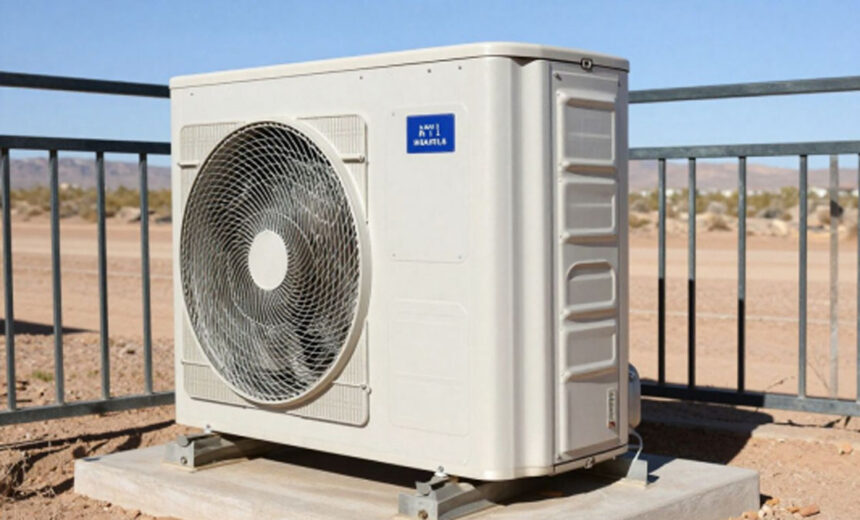
Issues with the outdoor unit in desert heat
Desert climates demand a lot from exterior equipment that must constantly battle wind, dust, and sustained ultraviolet exposure. Ensuring the outdoor portion of the unit remains cleared of debris is essential for heat exchange efficiency in these extreme conditions.
Managing debris accumulation from dust and desert winds
Wind-blown dust and sand quickly clog the narrow fins of the condensing unit, creating an insulating layer that prevents heat from escaping. Regularly clearing this dust ensures that the airflow is not blocked, effectively shielding the system from overheating cycles.
Preventing sun exposure damage to electrical wiring
Direct sun exposure can brittle plastic conduits and internal wiring over cycles of extreme temperatures. Installing shade structures or ensuring the unit has adequate protection keeps the electrical components from prematurely failing due to thermal degradation.
Recognizing early signs of component overheating
If the system shuts down frequently during the hottest parts of the day, it is likely reaching internal thermal limits. Recognizing the specific error codes or patterns of failure allows you to catch these overheating moments before internal circuitry sustains permanent damage.
Refrigerant leaks and pressure problems
Refrigerant is the medium through which temperature control occurs, making leaks a primary threat to total system depletion. A system low on charge will lose its capacity to move heat, resulting in poor cooling performance and potential compressor damage.
Detecting common symptoms of low refrigerant levels
Low refrigerant often manifests as a lack of cool airflow and ice formations on the lines connected to the system. If the air coming from the vents is lukewarm, it is frequently a sign that the refrigerant loop has been compromised by a leak.
Understanding the importance of EPA-compliant handling
Refrigerant handling requires certified expertise to ensure the chemicals are contained according to safety regulations. Professional technicians follow strict protocols to prevent atmospheric release and ensure the integrity of the loop is restored after a leak is patched.
Why professional leak detection is essential for repairs
Finding the precise point of a leak requires specialized tools that look past the initial symptoms. Relying on professional cooling diagnostics ensures that the repair actually stops the loss of gas, preventing future pressure drops and extending the life of the climate control system.
Airflow restrictions and system freezing
Airflow is the lifeblood of any HVAC unit, ensuring that energy is moved cleanly across the coils. When the system suffers from restricted airflow, it often leads to freezing issues that force the unit into emergency shutdown modes.
Importance of regular air filter replacement
Dirty air filters are the most common cause of airflow restriction, which leads to immediate drops in cooling efficacy. Consider these key steps regarding airflow maintenance:
- Inspect air filters monthly for dust buildup.
- Replace filters every 30 to 90 days depending on usage.
- Keep return vents clear of furniture and drapes.
- Schedule cleaning to prevent debris buildup in ductwork.
Adopting these steps helps ensure that your system breathes freely during the intense summer season. Maintaining clear paths for air movement reduces the risk of icing and system fatigue.
Addressing evaporator coil icing during transition seasons
Icing often occurs when warm air fails to pass over the evaporator coil quickly enough to evaporate the condensation. During evenings when temperatures fluctuate, monitoring the unit for frost buildup prevents damage to the fins and preserves the internal balance of the system.
Clearing interior and exterior obstructions around blower fans
Blocked return vents or cluttered spaces around the air handler significantly inhibit blower fan performance. Ensuring that all interior vents remain open and clear of obstructionsallows the system to circulate air evenly throughout the entire home.
Conclusion
Maintaining the performance of your heating and cooling equipment requires proactive attention and professional care tailored for the local environment. By scheduling a consistent Las Vegas heat pump service, you ensure the longevity of your equipment while optimizing efficiency for everyday comfort. Staying observant when it comes to system behavior allows you to address potential issues promptly, keeping your environment stable no matter the season.