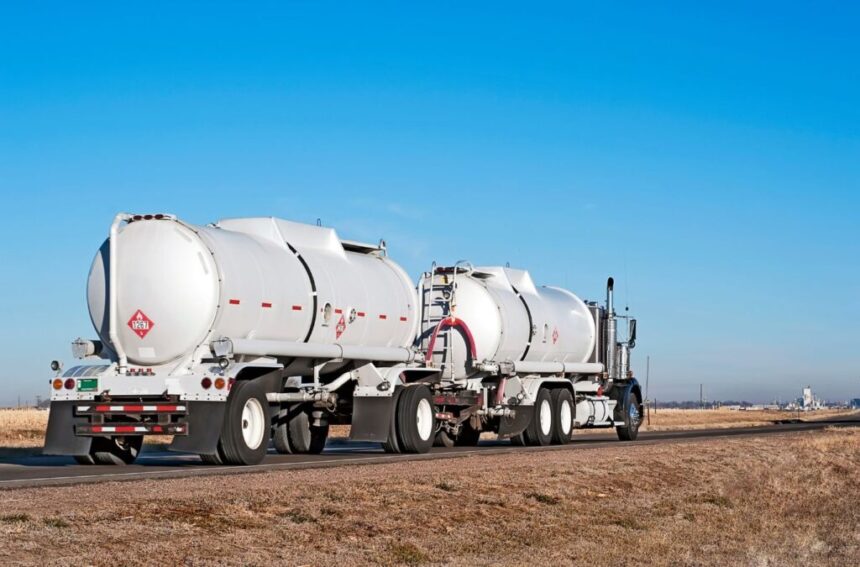
Diesel engines are widely used in transportation, agriculture, construction, logistics, and industrial applications because of their power, reliability, and efficiency. However, modern diesel technology has evolved significantly due to stricter emissions standards and environmental requirements. Many newer diesel vehicles and equipment use Selective Catalytic Reduction (SCR) systems to reduce harmful emissions and improve air quality. A key component of this technology is Diesel Exhaust Fluid (DEF), a specialized solution that helps convert harmful nitrogen oxide emissions into harmless nitrogen and water vapor.
For businesses and organizations operating multiple diesel vehicles or heavy equipment, purchasing DEF in smaller containers may not be the most efficient option. Many companies choose a diesel exhaust fluid bulk supply solution to reduce costs, improve inventory management, and ensure a consistent supply of fluid whenever it is needed.
Understanding DEF, bulk storage options, benefits, handling requirements, and purchasing considerations can help businesses maintain efficient operations while supporting cleaner diesel performance.
What Is Diesel Exhaust Fluid?
Diesel Exhaust Fluid is a clear, non-toxic solution made from highly purified urea and deionized water. It is not a fuel additive and does not mix with diesel fuel. Instead, DEF is stored in a separate tank and injected into the exhaust system of compatible diesel vehicles and equipment.
When DEF enters the SCR system, it helps break down nitrogen oxide emissions produced during combustion. Through a chemical reaction, these emissions are converted into nitrogen and water vapor, which are less harmful to the environment.Modern diesel trucks, buses, agricultural machinery, construction equipment, and industrial vehicles often rely on DEF systems to meet emissions regulations.Because DEF is essential for SCR-equipped engines, maintaining a dependable supply is important for businesses that depend on diesel-powered equipment.
Why Businesses Choose Bulk DEF Supply
Companies that operate multiple diesel vehicles often require large amounts of Diesel Exhaust Fluid. Purchasing individual containers may create unnecessary expenses, storage challenges, and frequent ordering requirements.
A diesel exhaust fluid bulk supply system allows businesses to store larger quantities and access DEF whenever needed. This approach is especially beneficial for transportation fleets, fuel stations, farms, warehouses, and industrial facilities.
Bulk purchasing can reduce packaging waste because fewer individual containers are required. It also simplifies inventory management by allowing businesses to monitor and refill from a centralized supply.Another advantage is operational convenience. Instead of waiting for frequent deliveries of smaller quantities, companies can maintain a reliable supply that supports continuous vehicle and equipment operation.For organizations with consistent DEF usage, bulk solutions provide greater efficiency and cost control.
Industries That Benefit From Bulk DEF Solutions
Many industries rely on diesel equipment and can benefit from bulk DEF availability.Transportation companies use DEF for trucks, delivery vehicles, and fleet operations. Maintaining a steady supply helps prevent interruptions caused by running out of fluid.Agricultural operations depend on diesel-powered tractors, harvesters, and other machinery. Bulk DEF storage allows farms to support equipment needs during busy seasons.Construction companies use heavy machinery such as loaders, excavators, and specialized vehicles that require DEF for emissions control.
Industrial facilities often operate generators, forklifts, and other diesel-powered equipment that require consistent DEF availability.Fuel stations and service centers may also offer DEF supplies to commercial drivers and customers with diesel vehicles.Any organization with regular diesel equipment usage can benefit from a reliable bulk DEF management system.
Advantages of Diesel Exhaust Fluid Bulk Storage
One of the primary advantages of bulk storage is improved convenience. Businesses no longer need to manage large numbers of small containers or frequently reorder supplies.
Bulk systems also help reduce operational costs. Buying larger quantities may provide better pricing compared with repeated purchases of smaller packages.Storage efficiency is another important benefit. Dedicated DEF tanks and dispensing systems allow organizations to organize supplies more effectively.
Bulk solutions can improve productivity by reducing downtime. Drivers and equipment operators have easier access to DEF when needed, helping prevent delays caused by supply shortages.Environmental benefits are also possible because bulk systems reduce packaging materials and waste associated with single-use containers.For high-volume users, bulk storage provides a practical and reliable way to manage DEF requirements.
Types of Bulk DEF Storage Systems
Different businesses require different storage solutions depending on usage levels and available space.Intermediate bulk containers (IBCs) are commonly used for medium-volume DEF storage. These containers are practical for businesses that require more supply than individual containers but do not need large permanent tanks.
Large stationary storage tanks are suitable for high-volume operations such as fleet facilities and industrial sites. These systems can hold significant quantities and support regular dispensing.Mobile bulk tanks provide flexibility for companies that need DEF available at multiple locations or job sites.Dispensing systems may include pumps, meters, hoses, and protective equipment to make refilling vehicles easier and more efficient.
Choosing the right storage option depends on consumption rates, facility requirements, and operational needs.Correct storage is essential for maintaining DEF quality. Although DEF is stable under proper conditions, exposure to extreme temperatures, contamination, or improper materials can affect its performance.DEF should be stored in clean containers specifically designed for the fluid. Certain metals and materials can contaminate DEF and reduce its effectiveness.
Temperature control is also important. Extreme heat can shorten DEF shelf life, while freezing temperatures can cause the fluid to expand. However, properly frozen DEF can typically return to normal performance after thawing if contamination has not occurred.Storage areas should protect DEF from direct sunlight and environmental contaminants.Using proper storage practices ensures that DEF maintains the quality required for effective emissions control.
Handling and Dispensing Bulk DEF Safely
Although DEF is not hazardous in normal conditions, proper handling procedures help maintain quality and prevent contamination.
Equipment used for DEF dispensing should be dedicated specifically to DEF and should not be used for diesel fuel or other chemicals.Clean hoses, pumps, and connectors help prevent contamination during transfer.Operators should avoid introducing dirt, dust, or foreign materials into DEF storage containers.Regular inspections of storage equipment help identify leaks, damage, or maintenance needs.
Following proper handling practices protects both the product quality and the performance of diesel emission systems.Fleet operators depend on efficiency and reliability to maintain daily operations. Running out of DEF can cause performance limitations or prevent vehicles from operating properly.
A bulk DEF supply system allows fleet managers to maintain better control over inventory. They can monitor usage, schedule deliveries, and ensure vehicles are ready for operation.Centralized DEF storage also simplifies fueling operations by creating a dedicated location for vehicle maintenance activities.By improving supply management, bulk DEF solutions support smoother fleet operations and reduce unnecessary interruptions.
Choosing a Reliable DEF Supplier
Selecting the right supplier is an important part of maintaining DEF quality and availability. Businesses should work with providers that offer high-quality products and dependable delivery services.A reliable supplier should provide DEF that meets recognized quality standards and follows proper handling procedures.Delivery options are also important for bulk customers. Businesses should consider whether the supplier can provide consistent deliveries based on their usage requirements.
Customer support, storage guidance, and product knowledge are additional factors that contribute to a successful supplier relationship.Choosing an experienced provider helps ensure a consistent DEF supply and reduces operational concerns.One common mistake is storing DEF in unsuitable containers. Incorrect materials can contaminate the fluid and affect system performance.
Another mistake is failing to monitor inventory levels. Running out of DEF unexpectedly can disrupt operations.Poor storage conditions can also reduce product quality. Exposure to contamination, sunlight, or extreme temperatures should be avoided.
Using dirty dispensing equipment is another issue that can introduce harmful materials into the DEF supply.Proper planning, storage, and handling practices help businesses avoid these problems.
Conclusion
A well-planned DEF supply strategy provides long-term operational advantages. Businesses can reduce supply interruptions, improve efficiency, and maintain better control over operating expenses.Bulk storage supports sustainability efforts by reducing packaging waste and encouraging more efficient resource management.
For companies that rely heavily on diesel equipment, dependable DEF availability is essential for maintaining productivity and meeting emissions requirements.Investing in the right storage and supply solution helps ensure that diesel-powered operations continue running smoothly.
Diesel Exhaust Fluid plays an essential role in modern diesel engine emissions technology. For organizations that use large amounts of diesel-powered vehicles or equipment, a bulk supply approach provides convenience, efficiency, and better inventory control.A properly managed diesel exhaust fluid bulk system helps businesses maintain a reliable DEF supply while reducing waste, improving operations, and supporting cleaner diesel performance. By selecting appropriate storage solutions, following proper handling practices, and working with a dependable supplier, companies can ensure their equipment continues operating effectively while meeting modern environmental standards.