Introduction
A healthy and attractive landscape requires proper care, consistent maintenance, and an effective watering system. One of the most reliable ways to keep lawns, gardens, and outdoor spaces properly hydrated is through professional sprinkler installation. A well-designed sprinkler system provides consistent water distribution, reduces manual effort, and helps maintain beautiful green spaces throughout different seasons.
Traditional watering methods often involve using hoses or portable sprinklers, which can be time-consuming and may result in uneven watering. Some areas may receive too much water while others remain dry, leading to unhealthy grass, wasted resources, and increased maintenance costs. A professionally installed sprinkler system solves these problems by delivering water efficiently to specific areas based on landscape requirements.
Whether for residential lawns, commercial properties, gardens, or large outdoor spaces, an automated sprinkler system provides convenience, improved plant health, and better water management. Understanding the installation process, system types, benefits, and maintenance requirements helps property owners make informed decisions about improving their irrigation setup.
The Importance of a Proper Sprinkler System
Water is essential for maintaining healthy grass, plants, flowers, and trees. However, improper watering can create several problems. Overwatering may lead to root damage, fungal growth, and unnecessary water expenses, while underwatering can cause dry patches, weak grass, and damaged landscaping.
A properly designed sprinkler system ensures that every area receives the appropriate amount of water. Professional installers evaluate the size of the property, soil conditions, plant types, and sunlight exposure before designing a system that meets specific needs.
An efficient irrigation system also helps conserve water. Modern sprinkler systems use advanced technology to deliver precise amounts of water, reducing waste and improving overall efficiency. This makes them a valuable investment for homeowners and property managers who want attractive landscapes while managing water usage responsibly.
Understanding Sprinkler Installation
Sprinkler installation involves planning, designing, and installing a network of pipes, valves, sprinkler heads, and controllers that work together to distribute water across a landscape. The process requires technical knowledge to ensure proper placement and performance.
The first step is usually a property evaluation. Professionals examine the landscape layout, identify watering zones, and determine the best locations for sprinkler heads. Factors such as lawn shape, plant requirements, soil type, and water pressure are considered during planning.
After the design phase, underground pipes are installed to create the irrigation network. Sprinkler heads are positioned strategically to provide complete coverage without unnecessary overlap. A control system is then added to automate watering schedules and improve convenience.
Types of Sprinkler Systems
Different landscapes require different irrigation solutions. Choosing the right sprinkler system depends on factors such as property size, vegetation type, and watering needs.
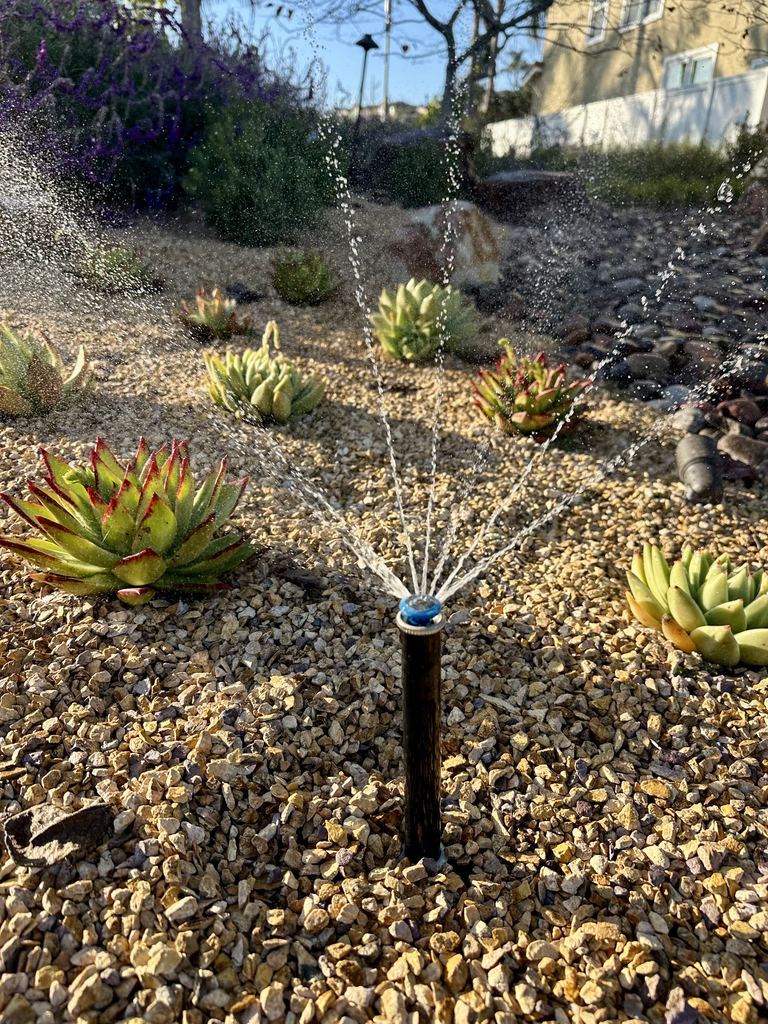
Spray systems are commonly used for smaller lawns, flower beds, and areas requiring consistent coverage. They distribute water in a fixed spray pattern and are effective for landscapes with uniform shapes.These systems are often installed in residential yards because they provide reliable watering for grass and decorative plants. Proper placement is important to prevent water from reaching sidewalks, driveways, or other unnecessary areas.
Rotary sprinklers use rotating streams of water to cover larger areas. They are ideal for bigger lawns and open spaces because they distribute water over greater distances.These systems typically operate at a slower rate, allowing water to absorb into the soil more effectively. They are useful for reducing runoff and improving watering efficiency.
Drip systems deliver water directly to the roots of plants through small tubes or emitters. They are commonly used for gardens, shrubs, flower beds, and areas where precise watering is needed.Because water is applied directly to the soil, drip irrigation can significantly reduce evaporation and waste. It is an excellent choice for landscapes with plants that require targeted watering.
Benefits of Professional Sprinkler Installation
Installing a sprinkler system offers many advantages compared to manual watering methods. One of the biggest benefits is convenience. Automated systems eliminate the need to spend time moving hoses or manually watering different sections of the property.A professionally installed system also improves lawn health. Consistent watering encourages stronger root development and helps maintain a greener, healthier landscape.
Another advantage is improved water efficiency. Properly designed systems deliver water where it is needed while reducing unnecessary usage. This can help lower water bills and support responsible resource management.Sprinkler systems can also increase property value. A well-maintained lawn and attractive landscape create a positive impression and improve the overall appearance of a property.
A successful installation begins with detailed planning. Professionals first assess the property and create a customized irrigation design. This includes determining watering zones, selecting appropriate sprinkler heads, and calculating water requirements.The next step involves preparing the installation area. Trenches are created for underground pipes, and the irrigation components are carefully placed according to the design plan.
Once pipes, valves, and sprinkler heads are installed, the system is connected to a controller. The controller allows homeowners to set watering schedules based on specific needs and seasonal changes.After installation, the system is tested to ensure proper coverage and performance. Adjustments may be made to sprinkler heads, water pressure, or timing settings to achieve the best results.
Factors to Consider Before Installation
Several factors should be considered before installing a sprinkler system. Property size is one of the most important factors because larger landscapes require more extensive irrigation networks.Water availability and pressure also affect system design. A professional installer evaluates the existing water supply to ensure the sprinkler system operates effectively.
The type of plants and grass on the property should also influence installation decisions. Different vegetation requires different watering schedules and amounts of moisture.
Climate conditions are another important consideration. Areas with hot or dry weather may require different irrigation strategies compared to regions with frequent rainfall.Regular maintenance helps keep a sprinkler system working efficiently. Over time, sprinkler heads may become clogged, damaged, or misaligned. Routine inspections help identify problems before they affect landscape health.
Seasonal adjustments are also important. Watering schedules should change depending on weather conditions and plant requirements. Reducing watering during rainy periods and increasing it during dry seasons improves efficiency.Checking for leaks, broken components, and uneven water distribution helps prevent wasted water and unnecessary expenses. Professional maintenance services can provide additional support for complex irrigation systems.
Conclusion
Poor planning can lead to several sprinkler system problems. One common mistake is incorrect sprinkler placement, which can create areas that receive too much or too little water.Using the wrong type of sprinkler head for a specific area can also reduce system performance. Different landscapes require different watering approaches, and choosing suitable equipment is essential.
Another mistake is ignoring water pressure requirements. A system that is not properly designed for available water pressure may fail to provide adequate coverage.Professional installation helps prevent these issues by ensuring the system is designed according to the property’s specific needs.
Professional sprinkler installation is an effective way to maintain a healthy, attractive, and well-watered landscape. A properly designed irrigation system provides consistent watering, saves time, reduces water waste, and improves the overall appearance of outdoor spaces.
From selecting the right sprinkler type to planning efficient water distribution, every step plays an important role in achieving reliable results. With professional installation and regular maintenance, a sprinkler system can provide long-term benefits while helping property owners enjoy greener lawns and healthier landscapes.