Introduction
Mental health plays a vital role in every aspect of life, influencing how people think, feel, and respond to everyday situations. Emotional well-being affects relationships, work performance, decision-making, and overall quality of life. While everyone experiences challenges from time to time, persistent patterns of negative thoughts or unhealthy behaviors can interfere with daily functioning and personal growth. Fortunately, effective treatment approaches are available to help individuals develop healthier ways of thinking and responding to life’s challenges.
One of the most widely recognized and evidence-based approaches is behavioral therapy, which focuses on identifying and changing behaviors that contribute to emotional distress or interfere with everyday life. Rather than concentrating solely on past experiences, this therapeutic approach emphasizes practical strategies that help individuals replace harmful behaviors with healthier alternatives. It provides structured techniques that encourage positive change through consistent practice and goal-oriented treatment.
Behavioral therapy is used to address a wide variety of emotional, psychological, and behavioral concerns affecting children, adolescents, and adults. Whether someone is managing anxiety, depression, stress, phobias, or behavioral challenges, therapy offers practical tools that promote healthier habits, emotional resilience, and long-term personal development. Understanding how behavioral therapy works, its benefits, and the different methods available can help individuals make informed decisions about seeking professional support.
What Is Behavioral Therapy?
Behavioral therapy is a form of psychological treatment based on the principle that behaviors are learned and can therefore be changed. The primary goal is to identify behaviors that create difficulties and replace them with more positive and productive responses. Instead of focusing exclusively on why behaviors developed, therapy emphasizes practical solutions that improve current functioning.
Therapists work collaboratively with individuals to recognize unhealthy behavior patterns, understand the situations that trigger them, and develop strategies for creating lasting improvements. Treatment often includes structured exercises, skill-building activities, goal setting, and regular progress evaluations.
Because behavioral therapy is highly practical, individuals are encouraged to apply newly learned techniques in their daily lives. Over time, these repeated positive behaviors become more natural, leading to meaningful improvements in emotional health and overall well-being.
How Behavioral Therapy Works
The therapy process begins with a comprehensive assessment. During the initial sessions, the therapist gathers information about the individual’s concerns, daily routines, emotional experiences, and behavioral patterns. This assessment helps identify specific behaviors that may be contributing to difficulties.
Once goals are established, therapy focuses on creating a personalized treatment plan. The therapist introduces strategies designed to modify unhealthy behaviors while reinforcing positive alternatives. Progress is monitored throughout treatment, allowing adjustments to be made as needed.
Behavioral therapy often includes practical assignments between sessions. Individuals practice newly learned coping skills in real-life situations, helping reinforce positive behavioral changes. Regular repetition strengthens these new habits and improves confidence in handling future challenges.The structured nature of behavioral therapy allows measurable progress over time. Individuals can clearly observe improvements in emotional regulation, decision-making, communication, and daily functioning.
Common Conditions Treated with Behavioral Therapy
Behavioral therapy has been successfully used to help individuals experiencing a wide range of mental health and behavioral conditions. Its flexible and evidence-based approach allows treatment to be adapted to different needs and age groups.
One of the most common uses is the treatment of anxiety disorders. Individuals experiencing excessive worry, panic attacks, social anxiety, or specific phobias often benefit from learning healthier coping strategies and gradually reducing avoidance behaviors.
Depression is another condition frequently addressed through behavioral therapy. Treatment encourages individuals to engage in positive activities, establish healthy routines, and reduce behaviors that reinforce negative emotional states.
Behavioral therapy is also effective for individuals managing obsessive-compulsive disorder, attention-deficit challenges, anger management difficulties, stress-related disorders, sleep problems, and various behavioral concerns in children and adolescents.Families may also participate in therapy when improving communication, parenting strategies, or relationship dynamics is part of the treatment plan.
Types of Behavioral Therapy
Behavioral therapy includes several specialized approaches designed to address different emotional and behavioral concerns.
Cognitive Behavioral Therapy combines behavioral techniques with methods that help individuals identify and change unhelpful thinking patterns. This approach recognizes that thoughts, emotions, and behaviors influence one another and focuses on developing healthier responses.Exposure therapy is commonly used to help individuals gradually face situations or objects they fear in a controlled and supportive environment. Repeated exposure reduces anxiety and helps individuals build confidence over time.
Applied Behavior Analysis is frequently used to support children with developmental and behavioral challenges by encouraging positive behaviors through structured reinforcement.
Dialectical Behavior Therapy incorporates behavioral principles while emphasizing emotional regulation, distress tolerance, interpersonal effectiveness, and mindfulness skills. It is particularly beneficial for individuals who experience intense emotional reactions.Although these approaches differ in their techniques, they all share the goal of promoting healthier behaviors and improving overall quality of life.
Benefits of Behavioral Therapy
Behavioral therapy offers numerous benefits because it focuses on practical solutions that individuals can apply in their everyday lives. One of its greatest strengths is teaching coping skills that remain useful long after therapy has ended.Individuals often experience improved emotional regulation as they learn healthier ways to respond to stressful situations. Instead of reacting automatically, they develop greater awareness of their thoughts and behaviors, allowing them to make more constructive choices.
Another significant benefit is increased confidence. Successfully overcoming challenges during therapy helps individuals believe in their ability to manage future difficulties independently.
Behavioral therapy also improves communication and relationship skills. Individuals learn effective problem-solving techniques, conflict resolution strategies, and healthier ways of expressing emotions.Because therapy encourages gradual progress, even small improvements can lead to meaningful long-term changes in emotional health and daily functioning.
The Role of the Therapist
A behavioral therapist serves as a guide, educator, and supportive partner throughout the treatment process. Rather than simply offering advice, therapists teach practical techniques that empower individuals to become active participants in their own recovery.
Therapists create a safe and respectful environment where individuals can openly discuss their concerns without fear of judgment. Together, they establish realistic goals and develop personalized treatment strategies.
Progress is reviewed regularly, allowing the therapist to celebrate successes while addressing challenges that arise during treatment. This collaborative approach helps maintain motivation and encourages consistent improvement.The therapist also provides education about emotional health, helping individuals better understand the relationship between thoughts, feelings, and behaviors.
Behavioral Therapy for Children and Adolescents
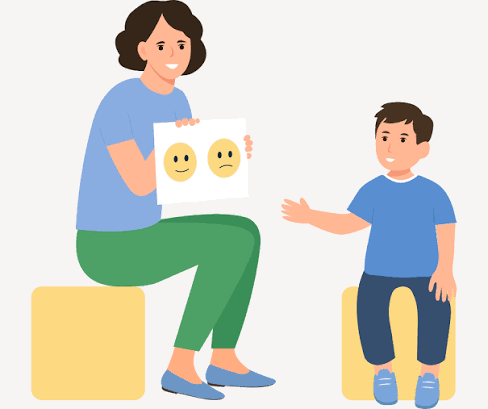
Children and teenagers often benefit significantly from behavioral therapy because many emotional and behavioral challenges emerge during development. Therapy helps young individuals learn appropriate coping skills, improve emotional regulation, and develop positive social behaviors.
Parents frequently play an important role in treatment. Therapists may provide guidance on reinforcement strategies, communication techniques, and consistent behavioral expectations at home.Behavioral therapy can assist children experiencing attention difficulties, anxiety, behavioral problems, emotional regulation challenges, school-related concerns, and social difficulties. Early intervention often leads to improved academic performance, stronger relationships, and healthier emotional development.
By teaching practical skills during childhood, therapy provides valuable tools that continue to support individuals throughout adulthood.
Developing Long-Term Healthy Habits
One of the greatest advantages of behavioral therapy is its focus on lasting behavioral change rather than temporary symptom relief. Individuals learn strategies that can be practiced and strengthened throughout life.
Healthy routines such as regular exercise, balanced sleep, effective stress management, positive communication, and structured daily activities become part of long-term well-being. Small behavioral changes practiced consistently often produce significant improvements over time.
Therapy also encourages self-awareness. Individuals become more skilled at recognizing early warning signs of stress or emotional difficulties, allowing them to respond proactively before problems become overwhelming.These lifelong skills promote resilience and improve overall mental wellness long after formal therapy has concluded.
Selecting a qualified therapist is an important step toward successful treatment. Individuals should look for licensed mental health professionals with experience treating their specific concerns.A strong therapeutic relationship is based on trust, open communication, and mutual respect. Feeling comfortable with the therapist allows individuals to participate more fully in treatment and achieve better outcomes.
It is also helpful to discuss treatment goals, expected timelines, and therapy methods during the initial consultation. Understanding the therapeutic approach helps individuals make informed decisions and remain actively engaged throughout the process.Finding the right therapist may require careful consideration, but the benefits of receiving personalized, evidence-based care can have a lasting positive impact on mental health.
Conclusion
Mental well-being is an essential part of a healthy and fulfilling life, and seeking professional support is an important step toward positive change. Behavioral therapy offers a practical, structured, and evidence-based approach that helps individuals identify unhealthy behaviors, develop effective coping strategies, and build healthier habits for the future.
Whether addressing anxiety, depression, stress, emotional regulation, or behavioral challenges, this therapeutic approach provides valuable tools that encourage long-term personal growth and emotional resilience. Through consistent practice, supportive guidance, and individualized treatment, individuals gain the confidence and skills needed to manage life’s challenges more effectively.
Investing in behavioral therapy is an investment in overall well-being. By learning healthier ways to think, respond, and interact with the world, individuals can improve their quality of life, strengthen relationships, and build a foundation for lasting emotional health.