A roof serves as the first line of defense against changing weather conditions, helping protect a property’s structure, interior, and occupants from rain, wind, sunlight, snow, and temperature fluctuations. Among the various roofing materials available today, asphalt shingles remain one of the most widely used options because they combine affordability, durability, attractive appearance, and reliable performance. However, even the highest-quality shingles eventually wear out due to age, environmental exposure, and normal deterioration. When repairs are no longer enough to maintain the roof’s integrity, replacing the entire roofing system becomes the most effective long-term solution.
A roof replacement is a significant investment, but it also provides numerous benefits beyond simply addressing visible damage. A properly installed roofing system improves energy efficiency, enhances curb appeal, increases property value, and offers dependable protection for many years. Understanding the replacement process, recognizing the signs that indicate it is time for a new roof, selecting appropriate materials, and maintaining the finished system all contribute to making informed decisions that protect both residential and commercial properties.
Understanding the Lifespan of a Shingle Roof
Every roofing material has an expected service life, and shingles are no exception. The actual lifespan depends on several factors, including material quality, installation standards, ventilation, weather exposure, and ongoing maintenance. While many roofs provide decades of dependable service, natural aging eventually reduces their ability to protect the building effectively.
As shingles age, they gradually lose flexibility and become more vulnerable to cracking, curling, and granule loss. Continuous exposure to sunlight, moisture, strong winds, and seasonal temperature changes accelerates this natural wear. Even when visible damage appears minimal, an aging roof may no longer perform as efficiently as it once did.
Routine inspections are important because they allow property owners to monitor roof condition and identify early signs of deterioration. Addressing issues promptly helps prevent water infiltration and structural damage while providing valuable information about whether repairs remain practical or complete replacement has become necessary.
Professional shingle roof replacement becomes the most reliable option when aging materials can no longer provide consistent protection.
Common Signs That a Roof Needs Replacement
Recognizing the warning signs of roof deterioration helps property owners avoid more serious structural problems. One of the most obvious indicators is widespread shingle damage. Missing, cracked, curling, or broken shingles expose the underlying roofing structure to moisture and increase the likelihood of leaks.
Granule loss is another common sign of aging. Asphalt shingles contain protective mineral granules that shield them from ultraviolet radiation and weather damage. As these granules wear away, the shingles become less effective and more susceptible to deterioration.
Water stains on ceilings or interior walls may indicate that moisture has entered through damaged roofing materials. Although leaks can sometimes be repaired, repeated water intrusion often suggests more extensive roof failure.
Sagging roof sections should always receive immediate professional attention because they may indicate structural concerns beneath the roofing surface. Ignoring these issues can increase repair costs and compromise building safety.
Frequent repair needs are another indication that replacement may offer better long-term value than continuing to patch isolated problems.
Benefits of Installing a New Shingle Roof
Replacing an aging roof provides several practical and financial advantages. The most important benefit is improved protection against weather-related damage. Modern roofing materials are designed to withstand challenging environmental conditions while providing dependable performance over many years.
Energy efficiency often improves after replacement because new roofing systems incorporate updated materials, underlayment, and ventilation techniques. Better insulation and airflow help regulate indoor temperatures, potentially reducing heating and cooling costs.
Appearance is another major advantage. A new roof significantly enhances curb appeal by creating a clean, attractive exterior that complements the overall design of the property. This improvement is especially valuable for homeowners planning to sell in the future.
A professionally installed roof can also increase property value. Buyers frequently view a recently replaced roof as a desirable feature because it reduces future maintenance concerns and demonstrates responsible property care.
Choosing the Right Roofing Shingles
Selecting suitable roofing materials is an important step in achieving long-lasting results. Asphalt shingles remain the most common choice because they provide excellent value while offering a variety of colors, styles, and performance characteristics.
Three-tab shingles provide a traditional appearance and cost-effective protection for many residential applications. Architectural shingles offer greater thickness, improved durability, and a more dimensional appearance that enhances curb appeal.
Premium designer shingles provide additional style options while replicating the appearance of natural materials such as slate or wood. These products often combine attractive aesthetics with enhanced durability.
Property owners should also consider manufacturer warranties, weather resistance, maintenance requirements, and compatibility with the building’s architectural style when selecting roofing materials.
Professional guidance helps ensure that the chosen shingles meet both functional requirements and aesthetic preferences.
Preparing for a Roof Replacement Project
Careful planning contributes to a successful roofing project. Before work begins, contractors inspect the existing roof to evaluate its condition and identify any structural concerns that require attention.
Removing outdoor furniture, protecting landscaping, and relocating vehicles from the immediate work area help create a safer environment during construction. Property owners should also communicate with the contractor regarding project timelines, expected noise levels, and access requirements.
Budget planning is equally important. While roof replacement represents a significant investment, choosing high-quality materials and experienced installers often delivers better long-term value by reducing maintenance needs and extending roof lifespan.Clear communication between property owners and roofing professionals helps minimize unexpected issues throughout the project.
The Roof Replacement Process
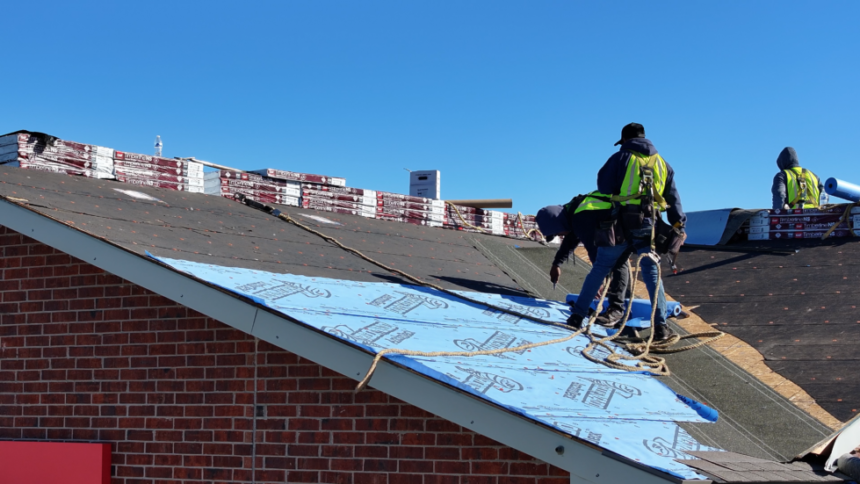
Replacing a roof involves several carefully coordinated stages designed to ensure durability and long-term performance. The first step is removing the existing roofing materials to expose the roof deck beneath. This allows contractors to inspect the underlying structure for damage, rot, or weakened areas that require repair.
Once necessary structural repairs are completed, protective underlayment is installed to create an additional moisture barrier. Flashing is then placed around chimneys, vents, skylights, and roof valleys to help prevent water infiltration.
New shingles are installed according to manufacturer specifications using precise alignment and fastening techniques. Proper overlap and secure attachment are essential for maximizing weather resistance and durability.
After installation, the contractor performs a detailed inspection to verify workmanship, ensure proper drainage, and confirm that every component has been installed correctly. The project concludes with thorough cleanup and removal of construction debris.Professional shingle roof replacement ensures that each stage of the installation process is completed according to industry standards.
Why Professional Installation Matters
Roof replacement requires specialized knowledge, experience, and equipment. Professional roofing contractors understand structural requirements, ventilation principles, drainage systems, and manufacturer installation guidelines that contribute to long-term performance.
Improper installation can lead to leaks, premature material failure, poor ventilation, and costly repairs. Even small errors in flashing placement or shingle alignment may reduce the roof’s effectiveness over time.
Experienced contractors also prioritize safety throughout the project. Roofing work involves elevated surfaces, specialized tools, and potentially hazardous conditions that require appropriate training and protective equipment.Working with qualified professionals helps ensure that the finished roof provides dependable protection while maintaining applicable warranty coverage.
Maintaining a Newly Installed Roof
Although a new roof requires relatively little maintenance, regular inspections and preventive care help maximize its lifespan. Property owners should inspect the roof periodically for signs of damage following severe weather events.
Keeping gutters clean allows rainwater to flow away from the roof efficiently, reducing the risk of standing water and moisture-related damage. Removing leaves, branches, and other debris from the roof surface also helps preserve roofing materials.
Tree branches that extend over the roof should be trimmed to reduce the risk of impact damage and minimize debris accumulation. Proper attic ventilation should also be maintained because balanced airflow helps regulate moisture and temperature.Scheduling professional inspections every few years provides additional confidence that the roofing system continues to perform effectively.
Common Mistakes to Avoid
One of the most common mistakes property owners make is postponing roof replacement after significant deterioration has already occurred. Delaying action often allows water damage to spread into insulation, framing, and interior finishes, increasing repair costs.Choosing roofing materials based solely on the lowest price can also create long-term problems. Lower-quality products may require more frequent repairs or earlier replacement compared with premium materials.
Hiring inexperienced contractors presents another risk. Proper installation is just as important as material quality, and poor workmanship can compromise even the best roofing products.Neglecting ventilation and routine maintenance may also shorten roof lifespan. A complete roofing system depends on proper airflow, moisture control, and regular inspections to achieve optimal performance.
Long-Term Value of a Quality Roof
Replacing an aging roof is more than a repair project; it is an investment in the long-term protection and value of a property. A durable roofing system safeguards structural components, enhances energy efficiency, and contributes to overall comfort throughout the year.
Modern roofing materials offer improved resistance to weather, better visual appeal, and longer service life than many older products. Combined with professional installation and regular maintenance, these advantages provide years of dependable performance.
Property owners who invest in quality roofing often experience fewer emergency repairs, lower maintenance expenses, and greater confidence during severe weather conditions.
Professional shingle roof replacement also supports long-term property value by demonstrating that the building has been maintained with durable materials and expert craftsmanship.
Conclusion
A dependable roof is essential for protecting every part of a building, from its structural framework to the people and belongings inside. As roofing materials age, replacing worn shingles with a modern roofing system becomes one of the most valuable improvements a property owner can make.
Professional shingle roof replacement provides reliable protection, improved energy efficiency, enhanced curb appeal, and long-lasting durability. By recognizing the warning signs of roof deterioration, selecting quality materials, working with experienced roofing professionals, and maintaining the finished system properly, property owners can enjoy decades of dependable performance.
Investing in a new shingle roof is not simply about replacing old materials—it is about creating a stronger, safer, and more attractive property that continues to provide comfort, protection, and value well into the future.