A sudden backup is messy and expensive, but plumbing systems usually whisper before they shout. In Summerville homes, early clues like gurgling drains, sewer odors, or water rising in one fixture when another is used often appear days or weeks before a blockage. Knowing what those signs mean can help you take safe, practical steps before wastewater reaches the floor. This guide explains common symptoms, what they indicate inside your drain and vent network, simple checks you can do without special tools, when to shut things down, and the professional methods that resolve the underlying cause for good.
Early Warnings You Can Spot in Drains, Toilets, and Floor Drains
Some of the most reliable red flags are easy to miss. A sink that drains fine but gurgles after the dishwasher runs, a toilet that burps after a shower, or a faint sewer smell in a rarely used guest bath all point to air and water moving through your pipes in ways they should not. Homeowners searching for plumbing in Summerville often describe the same trio of clues: slow drains on the lowest level, a toilet bowl water level that dips after nearby fixtures run, and a basement or garage floor drain that bubbles during laundry cycles.
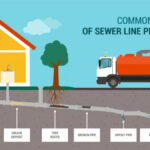
Pay special attention to patterns. If one bathroom sink is slow while other fixtures in the home flow freely, the clog is probably in that sink’s trap arm or branch line. If several fixtures on the same level drain slowly, the blockage is likely in a shared branch. If the lowest fixtures in the home gurgle or back up when upstairs water runs, the restriction may sit in the main sewer line downstream of those branches. These patterns help you decide whether a quick trap cleanout might work or whether the main cleanout needs attention.
What Those Symptoms Usually Mean Inside Your Plumbing System
Gurgling and dipping water levels often mean a venting problem or a partial blockage. Your P-traps hold water to block sewer gas. When a vent stack is obstructed, draining water can pull air through a trap, siphoning water out and causing the gurgle you hear. Similarly, a partial clog in a branch or main line forces air to find the path of least resistance, which can push bubbles up through a toilet or floor drain. Sewer odors in a little-used bath commonly trace back to a dry P-trap in the sink, shower, or tub.
Other clues point to specific failures. Water weeping at the base of a toilet may indicate a failing wax ring. Grease narrowing a kitchen line often shows up as a sink that slows after washing dishes with cooler rinse water, because cooled fats solidify on pipe walls. If a washing machine standpipe overflows during the spin cycle, lint buildup or a partial blockage in the laundry branch is likely. When several lower-level fixtures bubble during or after heavy rain, infiltration or a saturated sewer lateral can be the culprit.
Safe Checks You Can Make Before a Service Call
Start with the simplest fixes. Refill dry P-traps by running water for 30 seconds in rarely used fixtures, then add a tablespoon of mineral oil to slow evaporation. Remove and clean a sink’s pop-up stopper, which often collects hair. Place a bucket under a bathroom sink, loosen the slip nuts, and clean the P-trap if you can see buildup. Use a cup plunger on a sink or a flange plunger on a toilet, and seal any overflow openings with a damp rag to improve suction. If a dishwasher discharge makes a sink gurgle, run hot water and a small amount of dish soap to loosen grease, then flush with more hot water.
Next, observe how fixtures interact. Flush a toilet while watching a nearby tub drain. If the tub bubbles or the toilet bowl level drops, that suggests a vent or downstream restriction. Locate your exterior sewer cleanout, usually a capped pipe near the foundation or in a flower bed. If you remove the cap and see standing water, the obstruction is between that point and the city main or septic tank. Replace the cap securely to keep stormwater and roots out. Skip risky tasks, like climbing on the roof to inspect a vent; the fall hazard outweighs any potential DIY gain.
When to Stop, Shut Off Water, and Call a Professional
Do not keep testing a system that is clearly overwhelmed. If sewage appears at a floor drain, a tub fills when you flush a toilet, or a water heater’s temperature and pressure relief valve discharges, stop using water immediately. Close the main water shutoff valve to prevent further inflow. If a ceiling is wet, shut the supply and avoid switching lights in that area. These are conditions where additional DIY attempts can worsen damage or create safety hazards.
How Pros Find the Root Cause and Prevent a Repeat
Licensed plumbers bring tools that go beyond plungers and store-bought augers. A sewer camera inspection reveals bellies in the line, offsets at joints, invasive roots, or heavy scale inside cast iron. Technicians may run a sectional auger to punch through a clog, then follow with hydro-jetting to scour grease and sludge from the pipe walls. For chronic venting problems, smoke testing can locate hidden cracks or blocked vent stacks. If access is tight, they may add or raise a cleanout to enable proper future maintenance.
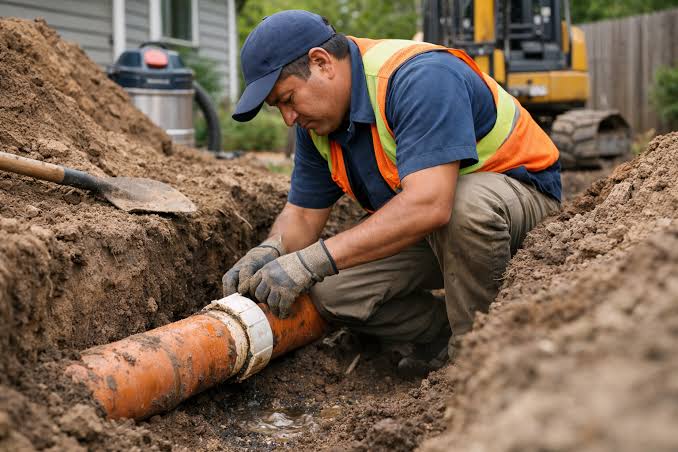
Expect a conversation about trade-offs. Snaking is quick and can restore flow, but it may leave a grease layer that re-clogs soon. Hydro-jetting cleans more thoroughly, yet it requires experience and a suitable cleanout to avoid backsplash. Chemical drain openers often damage older metal pipes and produce hazardous fumes; mechanical removal is safer for your plumbing and indoor air. After clearing, a camera pass documents thepipe’ss condition. If roots are present, periodic cutting or a scheduled treatment plan helps. If a belly holds standing water, the long-term fix is replacing that section of sewer lateral to restore proper slope.
Everyday Habits That Actually Reduce Backups
Small changes add up. Use a mesh strainer in kitchen sinks, scrape plates into the trash, and avoid fibrous foods in the disposal. Keep wipes, cotton swabs, and hygiene products out of toilets, even if labeled flushable. Install a lint filter on the washing machine discharge hose if your standpipe has overflowed. Prime little-used traps monthly and check that floor drain trap primers are functional. Confirm your exterior cleanout cap is tight and intact to block runoff and critters. In basements susceptible to backups, a properly installed backwater valve can protect fixtures from surges.
Over time, track patterns and act early. If slow drains coincide with cooler weather or heavy cooking, grease may be the driver. If gurgling worsens after storms, ask about groundwater infiltration testing. If cast iron scaling keeps catching debris, a descaling service can smooth the pipe interior. Keep a simple log of symptoms, dates, and what fixtures were in use. That timeline helps a technician quickly target the right section of pipe, which can shorten the visit and reduce disruption.
Plumbing systems telegraph their trouble long before a full blockage. By noticing how fixtures interact, understanding what gurgles and odors mean, and doing a few safe checks, you can often limit damage and give a pro a head start on diagnosis. When red flags appear, shut off water and resist the urge to keep testing. The right combination of inspection, mechanical clearing, and preventive habits turns a near-miss into a one-time event rather than a recurring headache.