Introduction
Electricity is one of the most essential parts of modern life, powering everything from lighting and appliances to security systems and critical business operations, and because of this heavy dependence, even a minor electrical fault can quickly escalate into a serious disruption or safety hazard that requires immediate attention. In many situations, electrical issues do not provide warning signs that are easy to interpret, which means homeowners and business owners often find themselves facing sudden outages, burning smells, sparking outlets, or system failures without knowing how to respond safely, and this is exactly where the importance of an emergency electrician becomes clear, as these professionals are trained to handle urgent electrical problems with speed, precision, and strict safety standards to prevent further damage or danger.
Understanding Electrical Emergencies and Their Impact
Electrical emergencies are situations where the electrical system becomes unsafe, unstable, or completely non-functional, and these situations can arise due to a wide range of factors including faulty wiring, overloaded circuits, aging infrastructure, storm damage, or improper installations, all of which can create risks such as electrical fires, appliance damage, or even personal injury if not addressed immediately. Unlike routine maintenance tasks that can be scheduled and planned, emergencies demand instant action because delaying repairs can significantly increase the severity of the problem, especially when live wires, water exposure, or burning components are involved, making it essential to recognize that not every electrical issue is minor and some require urgent professional intervention from an emergency electrician who can safely diagnose and resolve the issue before it escalates further.
Electrical systems often fail unexpectedly due to a combination of hidden and visible issues that develop over time, and one of the most common causes is outdated wiring that is no longer capable of handling modern electrical loads, leading to overheating and eventual breakdowns that can trigger outages or fire hazards. Another major cause is circuit overload, which occurs when too many devices are connected to a single circuit, forcing it beyond its capacity and causing breakers to trip repeatedly or wires to heat up dangerously, while environmental factors such as heavy rainfall, lightning strikes, and flooding can also damage electrical systems by introducing moisture into sensitive components, creating short circuits and system instability that require immediate attention from an emergency electrician to restore safe operation.
Warning Signs That Should Never Be Ignored
There are several warning signs that indicate an electrical system is in danger and requires urgent professional inspection, and these include persistent burning smells coming from switches or outlets, frequent power fluctuations, flickering lights that occur without reason, and circuit breakers that trip repeatedly even under normal usage conditions, all of which suggest that the system is under stress or experiencing internal faults that could lead to more serious consequences if ignored. In more severe cases, individuals may experience mild electric shocks when touching appliances, or notice buzzing sounds near electrical panels, both of which are strong indicators of grounding issues or exposed wiring, and in such situations, contacting an emergency electrician becomes not just a precaution but a necessity to ensure safety and prevent potential hazards such as electrical fires or equipment failure.
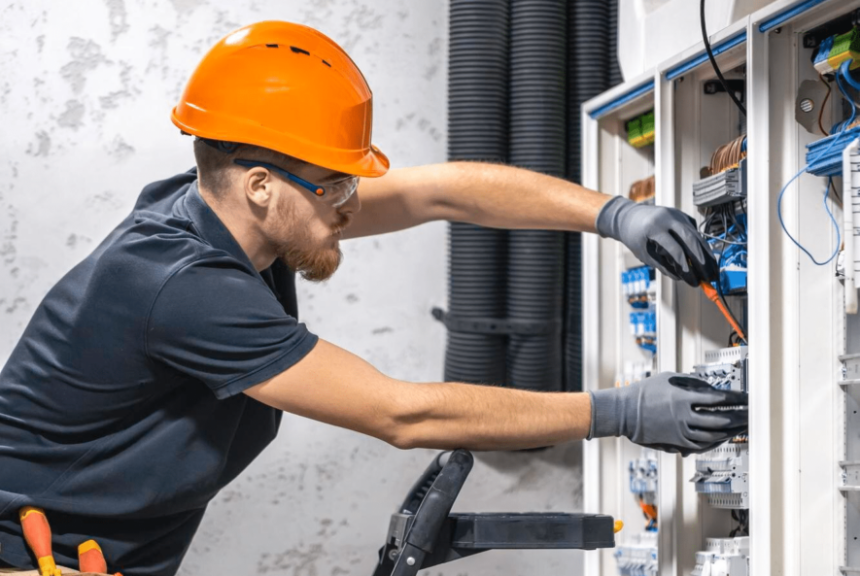
An emergency electrician plays a critical role in restoring safety and functionality during electrical crises by quickly assessing the situation, identifying the root cause of the problem, and implementing immediate solutions that stabilize the system and prevent further damage, all while following strict safety protocols to ensure that both the property and its occupants remain protected throughout the process. These professionals are trained to handle a wide range of urgent issues including power restoration, faulty wiring repairs, circuit breaker replacements, and electrical panel troubleshooting, and their ability to work under pressure allows them to resolve complex problems efficiently, often preventing situations from becoming more dangerous or costly than they already are.
How Emergency Electrical Repairs Are Carried Out
When an emergency call is received, the electrician typically arrives on-site and begins with a careful but rapid assessment of the electrical system to determine the severity of the issue, after which they isolate affected circuits to prevent further damage or risk while ensuring the surrounding environment is safe for detailed inspection. Once the system is secured, advanced diagnostic tools are used to identify the exact source of the problem, whether it is faulty wiring, overloaded circuits, or damaged components, and after pinpointing the issue, immediate repairs are carried out to restore functionality, sometimes using temporary fixes if a full repair requires additional parts or extended work, ensuring that power is safely restored without compromising long-term system integrity.
Safety is the most critical aspect of handling any electrical emergency, as improper handling of live wires or damaged systems can lead to severe injuries or even fatal accidents, which is why individuals are always advised to avoid touching exposed wires, refrain from using affected appliances, and if safe, switch off the main power supply until professional help arrives. Emergency electricians follow strict safety procedures that include using insulated tools, wearing protective equipment, and carefully controlling power flow while performing repairs, ensuring that every step of the process minimizes risk and maintains a controlled environment even in high-pressure situations where electrical systems may still be active or unstable.
Conclusion
Although emergencies cannot always be completely avoided, regular maintenance and preventive inspections play a major role in reducing the risk of sudden electrical failures, as these checks help identify worn-out wiring, overloaded circuits, or outdated systems before they become dangerous. Upgrading old electrical panels, avoiding excessive load on single circuits, using high-quality electrical components, and installing surge protection systems can significantly improve overall safety and system reliability, while routine professional inspections ensure that potential issues are detected early, reducing the likelihood of requiring emergency intervention from an emergency electrician in the future.
Electrical emergencies are unpredictable, potentially dangerous, and often disruptive, but understanding their causes, warning signs, and proper response methods can significantly reduce risk and damage, while ensuring that safety remains the top priority at all times. The role of an emergency electrician is essential in these situations, as their expertise allows them to quickly diagnose problems, restore power safely, and prevent further complications, making them a crucial resource for both residential and commercial environments. By combining professional emergency support with regular maintenance and responsible electrical usage, property owners can ensure a safer, more stable, and more reliable electrical system that supports everyday life without unexpected interruptions.