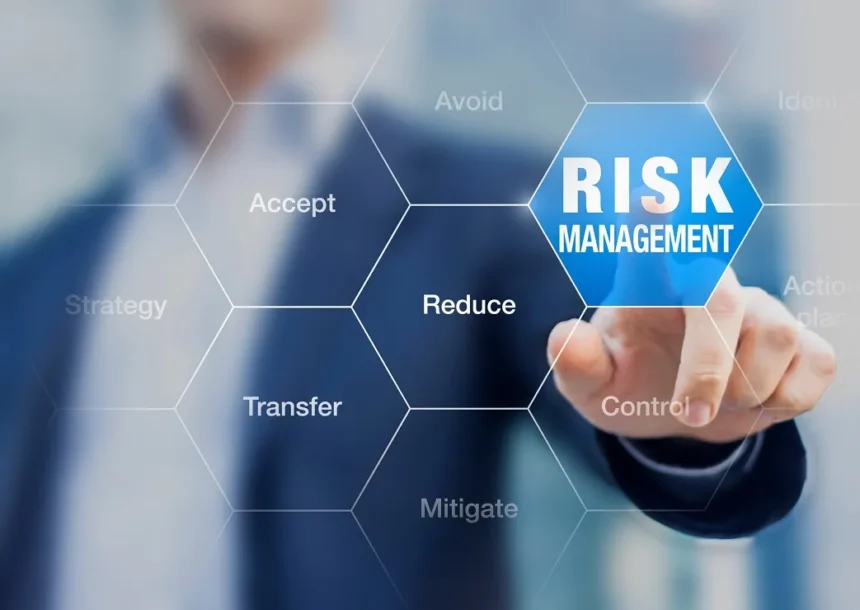
Every business faces uncertainty, but the difference between thriving companies and those that struggle often comes down to how they handle risk from the very beginning. Building a risk-smart strategy isn’t about eliminating all dangers or playing it safe at every turn. It’s about understanding what could go wrong, preparing for those possibilities, and creating systems that help your business adapt when challenges arise.
Why Risk Management Can’t Wait
Many entrepreneurs treat risk management as something to worry about later, after the business gains traction. This approach creates vulnerabilities that can prove costly or even fatal to a growing company. When you embed risk awareness into your foundation, you build resilience into every decision, process, and relationship.
Starting with a risk-smart mindset means you’re not constantly reacting to crises. Instead, you’re anticipating potential problems and building buffers before they’re desperately needed. This proactive stance gives you more options when unexpected challenges emerge, allowing you to make thoughtful decisions rather than panicked ones.
Identifying Your Core Risk Categories
Different businesses face different types of risk, but several categories apply to nearly every organization. Understanding these categories helps you create a comprehensive strategy that doesn’t leave blind spots.
Operational Risks
These are the risks that affect your day-to-day business operations. They include supply chain disruptions, equipment failures, key employee departures, and technology breakdowns. For businesses that depend on physical infrastructure or field operations, you must stay informed about upcoming storms that can disrupt operations to maintain continuity and protect your team.
Operational risks often hide in plain sight because they’re tied to routine activities. Your key priority is mapping out your critical processes and asking what would happen if each one failed tomorrow. This exercise reveals dependencies you might not have considered and helps you prioritize where to build redundancy.
Financial Risks
Cash flow problems sink more businesses than bad products or services. Financial risks include inconsistent revenue, late-paying customers, unexpected expenses, and poor pricing strategies. You need visibility into your financial position and clear policies about managing money right from the start.
Building financial resilience starts with maintaining adequate reserves, understanding your break-even point, and creating multiple revenue streams when possible. It also means knowing when to invest in growth and when to conserve resources.
Compliance and Legal Risks
Regulatory requirements vary widely by industry and location, but ignorance offers no protection. Compliance risks include licensing issues, employment law violations, tax problems, and industry-specific regulations. These risks can result in fines, lawsuits, or even forced closure.
The solution isn’t necessarily hiring an expensive legal team right away. It means identifying which regulations apply to your business, creating systems to stay compliant, and knowing when to consult experts. Document your compliance efforts so you can demonstrate good faith if questions arise.
Reputational Risks
Your reputation takes years to build but can be damaged in moments. Reputational risks include customer complaints, negative reviews, social media controversies, and quality failures. In an age where information spreads instantly, protecting your reputation requires constant attention.
Managing reputational risk means delivering consistently on your promises, addressing problems quickly and transparently, and building goodwill before you need it. Happy customers become advocates who defend you when challenges arise.
Creating Your Risk Assessment Framework
A useful risk assessment doesn’t require expensive consultants or complex software. It requires honest evaluation and systematic thinking. Start by listing potential risks in each category, then assess two factors for each: likelihood and impact.
High-likelihood, high-impact risks demand immediate attention and robust mitigation strategies. These are your priority areas for investment and planning. Low-likelihood, high-impact risks need contingency plans even if you hope never to use them. High-likelihood, low-impact risks often benefit from simple process improvements that reduce their frequency.
Don’t overlook low-likelihood, low-impact risks entirely, but don’t let them consume resources better spent elsewhere. You’ll want to focus on proportional response, not paranoia.
For example, if you’re running a service business, a high-likelihood, high-impact risk might be losing your largest client who represents 40% of revenue. Your mitigation strategy could include diversifying your client base while simultaneously building stronger relationships with existing clients. A low-likelihood, high-impact risk might be a natural disaster affecting your office, which you’d address through data backups and remote work capabilities.
Building Mitigation Strategies That Actually Work
Once you’ve identified and assessed your risks, you need practical strategies to address them. Effective mitigation strategies share several characteristics: they’re specific, actionable, and integrated into regular operations rather than treated as separate initiatives.
Diversification as Protection
Diversification protects you across multiple risk categories:
- Multiple suppliers reduce operational risk
- Multiple customer segments reduce financial risk
- Multiple marketing channels reduce dependency on any single platform
- Cross-trained employees reduce the impact of unexpected departures
Diversification costs more than putting all your eggs in one basket, but it’s insurance against catastrophic loss. Your priority is finding the right balance for your business stage and resources.
Documentation and Processes
Written processes seem bureaucratic when you’re small and nimble, but they’re essential risk management tools.
Documented procedures ensure consistency, facilitate training, and provide continuity when key people are unavailable. They also demonstrate due diligence if legal or regulatory questions arise.
Start with your most critical processes and document them simply. Complex manuals gather dust, but clear checklists and flowcharts actually get used.
Regular Review and Adaptation
Risk management isn’t a one-time project. Your risk landscape changes as your business grows, enters new markets, adds products, or faces new competitors.
Schedule regular risk reviews, perhaps quarterly at first, to reassess your vulnerabilities and update your strategies. These reviews don’t need to be lengthy, but they should be honest.
What new risks have emerged? Which mitigation strategies are working? What needs adjustment? This ongoing attention keeps your risk management relevant and effective.
Cultivating a Risk-Aware Culture
The best risk management strategies fail if your team doesn’t embrace them. Building a risk-aware culture means encouraging people to identify and report problems without fear, rewarding proactive risk management, and making risk discussions part of regular operations.
When employees feel safe raising concerns, you get early warning about problems while they’re still manageable. When risk management becomes everyone’s responsibility rather than just the leader’s burden, you gain insights from people closest to the work who often spot issues first.
Model the behavior you want to see. Acknowledge your own mistakes openly, discuss how you’re managing risks, and celebrate team members who prevent problems or handle challenges well.
Consider a practical example: if you run a restaurant, cultivating risk awareness might mean encouraging servers to immediately report food quality concerns rather than waiting for customer complaints. You’d reward a line cook who identifies a supplier issue before it affects service, demonstrating that speaking up leads to recognition, not punishment.
Taking Action on What You’ve Learned
Building a risk-smart strategy doesn’t mean eliminating all uncertainty or avoiding opportunities. It means making informed decisions, preparing for multiple scenarios, and building resilience into your business model. This foundation gives you the confidence to pursue opportunities knowing you’ve addressed vulnerabilities and created systems to handle whatever comes next.
Start small if necessary, but start now. Identify your biggest risks, create basic mitigation strategies, and commit to regular review. As your business grows, your risk management capabilities will grow with it, always protecting the foundation you’re building.