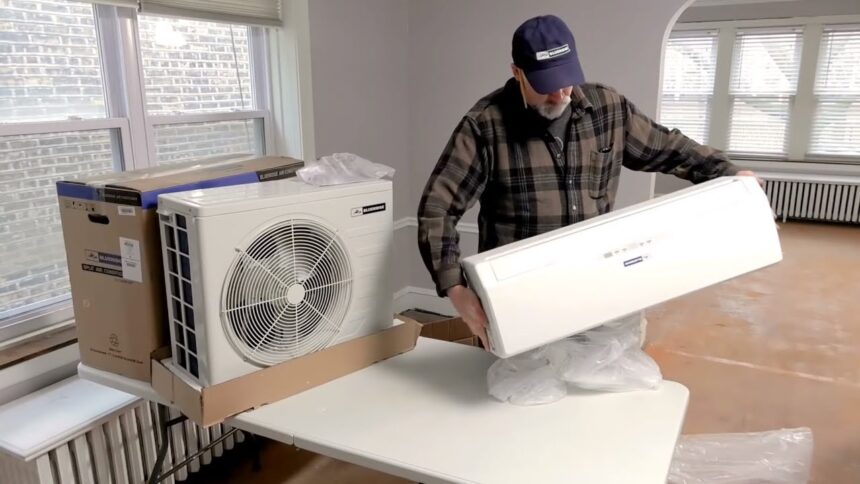
Adding a new room to a home creates exciting opportunities for expanding daily living, but it also introduces new heating and cooling challenges. Many homeowners discover that their existing HVAC system was designed only for the original floor plan, making it difficult to maintain even temperatures once additional square footage is introduced. Rooms such as sunrooms, home offices, guest suites, converted garages, or expanded family rooms often experience inconsistent comfort throughout the year. Ductless mini splits provide a practical way to address these issues without requiring major modifications to existing ductwork.
By delivering conditioned air directly into the new space, these systems create a balanced indoor environment while allowing the rest of the home’s heating and cooling arrangement to continue operating as intended. This approach offers flexibility for growing families and changing household needs.
Creating a Comfortable Living Space
-
Climate Control for Expanding Homes
Home additions frequently have different construction characteristics from the original structure. Modern insulation, upgraded windows, and different ceiling heights can all affect how quickly a room gains or loses heat. Because of these differences, extending the original duct system does not always provide balanced airflow. A ductless mini split operates independently, allowing the addition to receive heating or cooling based on its own conditions rather than relying entirely on the central system. This allows occupants to enjoy more consistent indoor temperatures regardless of seasonal weather changes.
Homeowners considering ductless mini-splits in Bonney Lake, WA, often appreciate how these systems adapt to additions without requiring extensive structural changes. The ability to regulate the room separately also reduces common complaints about spaces that feel too warm during summer afternoons or too chilly on winter mornings.
-
Independent Temperature Management
One of the most valuable features of ductless mini-splits is the ability to create individual comfort zones. Home additions often serve unique purposes, and each room may have different heating and cooling requirements throughout the day. A home office filled with electronics can become warmer than surrounding rooms, while a guest bedroom may remain unused for extended periods before welcoming visitors. Instead of conditioning every room equally, a ductless system allows homeowners to adjust the temperature only where it is needed.
This independent operation makes daily comfort easier to achieve while giving occupants greater control over their indoor environment. Family members can choose settings that match their personal preferences without affecting the rest of the house. This flexibility also accommodates changing lifestyles, as additions may later serve as nurseries, hobby rooms, exercise areas, or living quarters for relatives. The adaptable nature of ductless systems helps these spaces remain comfortable as their functions change, reducing the need for repeated HVAC modifications as the room’s purpose evolves over time.
-
Preserving Existing HVAC Performance
Many central HVAC systems are carefully sized for the original home layout, and adding new square footage can place additional demands on equipment that was never intended to serve larger living areas. Extending existing ductwork may reduce airflow to older rooms while still failing to provide adequate conditioning in the addition. A ductless mini-split helps avoid these challenges by supplying heating and cooling directly to the expanded space without increasing the central unit’s workload.
This arrangement allows the original HVAC system to continue serving established areas while the addition receives independent climate control. As a result, homeowners often experience fewer comfort imbalances throughout the house. The central equipment does not need to compensate for the changing demands of the expansion, allowing both systems to function within their intended capacities. This thoughtful separation can contribute to more stable indoor temperatures while reducing unnecessary wear from continuously pushing a single system beyond its original design limits.
-
Flexible Installation for Modern Additions
Home additions come in many forms, including finished basements, attic conversions, detached workshops, enclosed patios, and second-story expansions. Each presents unique construction considerations that can make traditional duct installation difficult or expensive. Ductless mini splits offer flexibility because they require only a small connection between the indoor and outdoor components, avoiding extensive remodeling to accommodate bulky ductwork. This approach allows contractors to preserve finished walls, ceilings, and decorative architectural details that homeowners have invested in during renovation projects.
Indoor units are available in several mounting styles, making it easier to integrate the system into different room layouts while maintaining usable floor space. Because installation typically requires less disruption than adding new duct networks, renovation schedules may proceed with fewer delays. Homeowners can complete their additions with an efficient heating and cooling solution that blends into the updated design while avoiding significant structural modifications that could increase project complexity and overall renovation costs.
-
Supporting Year-Round Comfort
Every season places different demands on a home’s heating and cooling system, especially in newly added living spaces. Rooms with large windows may absorb significant solar heat during warmer months, while areas built above garages or exposed to outdoor conditions may cool rapidly during winter. Ductless mini-splits respond quickly to changing indoor conditions, providing heating or cooling directly where it is needed. This responsiveness helps maintain a steady indoor climate despite fluctuations in outdoor temperatures. Occupants enjoy greater comfort whether they are working from home, entertaining guests, or simply relaxing in the additional living space.
The system continues adjusting to daily weather patterns without relying entirely on airflow traveling through long duct runs. This localized conditioning supports consistent comfort year-round, helping additions feel like a natural extension of the original home rather than as separate areas with unpredictable temperatures. The result is a more enjoyable living environment regardless of changing seasonal conditions.
-
Lasting Comfort for Growing Homes
Home additions are designed to improve everyday living, and maintaining comfortable indoor temperatures is an important part of keeping those spaces enjoyable year-round. Ductless mini splits provide an effective solution for addressing the unique heating and cooling demands that often accompany expanded floor plans. Their independent operation, flexible installation, and ability to create individual temperature zones allow homeowners to enjoy greater comfort without placing unnecessary demands on existing HVAC equipment.
Whether the addition becomes a workspace, guest suite, family room, or personal retreat, reliable climate control supports its long-term functionality. As household needs continue to evolve, these systems offer an adaptable approach that helps new living spaces remain comfortable while complementing the overall performance of the home’s heating and cooling arrangement.