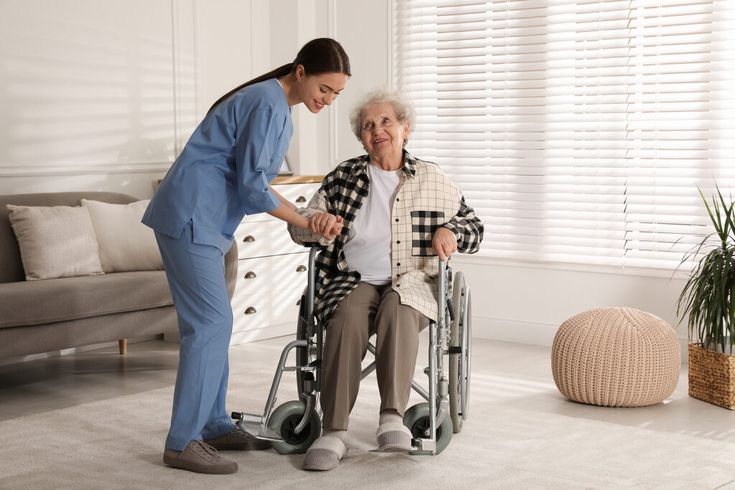
Healthy living is important at every stage of life, but it becomes especially important as people grow older. While regular medical care plays a key role in maintaining health, many factors that influence well-being happen outside of a doctor’s office. Daily routines, nutrition, physical activity, emotional wellness, and social connections all contribute to a senior’s overall quality of life.
Many older adults prefer to remain in the comfort of their own homes as they age. Familiar surroundings can provide a sense of independence, security, and confidence. However, taking care of an elderly parent at home become more challenging due to mobility limitations, health concerns, or changes in cognitive abilities. This is where professional caregiving support can make a meaningful difference. Families often discover that the right support system can significantly improve a senior’s health and well-being through quality senior home care.
Aging Well Begins with the Right Support System
Growing older does not mean giving up independence. In fact, many seniors thrive when they receive the right level of support while continuing to live in their own homes.
Aging in place allows seniors to maintain familiar routines and stay connected to their communities, neighbors, and loved ones. These familiar surroundings often contribute to emotional comfort and reduce stress.
Professional caregivers can provide assistance with daily activities that may become difficult over time. By helping with routine tasks while encouraging independence, caregivers allow seniors to remain active participants in their own lives. This balance between support and independence often leads to better physical and emotional outcomes.
Supporting Physical Health Every Day
Maintaining physical health involves much more than managing medical conditions. Everyday activities have a direct impact on a senior’s overall well-being.
Personal care assistance for seniors can help maintain good hygiene and feel more comfortable throughout the day. Support with bathing, dressing, grooming, and mobility can improve confidence and reduce the risk of injury.
Caregivers can also encourage movement and physical activity. Even light balance exercise, stretching, or short walks can help improve mobility, circulation, balance, and strength. Staying active is one of the most effective ways to support healthy aging.
For seniors recovering from illness, injury, or hospitalization, additional support can help ensure they follow care recommendations and safely regain their independence.
Good Nutrition Is a Key Part of Healthy Aging
Nutrition plays a major role in maintaining health, energy levels, and overall quality of life. Unfortunately, many seniors face challenges that make healthy eating more difficult.
Some older adults may struggle with grocery shopping, meal preparation, or dietary restrictions related to medical conditions. Others may lose interest in cooking for themselves, especially if they live alone.
Caregivers can assist with meal planning, grocery shopping, and preparing nutritious meals that align with a senior’s dietary needs and preferences. Regular, balanced meals help support energy levels, immune function, and overall health.
Hydration is equally important. Seniors are often at greater risk of dehydration, which can contribute to fatigue, confusion, and other health concerns. Caregivers can encourage consistent fluid intake and help seniors establish healthy daily habits.
Creating a Safer Home Environment
Safety is one of the biggest concerns for aging adults and their families. Falls, medication errors, and household accidents can have serious consequences for seniors.
Professional caregivers help create a safer home environment by identifying potential hazards and supporting daily routines. Simple adjustments such as removing tripping hazards, improving lighting, and encouraging safe mobility can significantly reduce fall risks.
Medication reminders are another valuable form of support. While caregivers do not typically administer medications unless specifically authorized, they can help seniors stay on schedule and avoid missed doses.
Caregivers are also often among the first to notice changes in a senior’s health, behavior, or mobility. Early recognition of potential concerns can help families address issues before they become more serious.
Emotional Health Matters Just as Much as Physical Health
Healthy living involves emotional well-being as much as physical health. Many seniors experience loneliness, especially after retirement, the loss of a spouse, or reduced social interaction.
Companionship can have a meaningful impact on emotional wellness. Simple conversations, shared activities, and regular social interaction help seniors feel connected and valued.
Social isolation has been linked to depression, anxiety, and declining health outcomes among older adults. Having a caregiver who provides companionship and encouragement can help reduce feelings of loneliness while improving overall quality of life.
Emotional support also contributes to confidence. Seniors who feel supported often maintain greater independence and remain more engaged in daily life.
Staying Active, Engaged, and Connected
Remaining active is an important part of healthy aging. Mental, social, and recreational activities help seniors stay engaged and maintain a sense of purpose.
Caregivers can encourage participation in hobbies, interests, and activities that bring enjoyment and fulfillment. Whether it is gardening, reading, puzzles, crafts, or community events, staying engaged can positively affect emotional and cognitive health.
Social connections also matter. Visiting friends, attending community gatherings, or simply spending time with loved ones can improve mood and strengthen emotional well-being.
Mental stimulation is equally important. Activities that challenge the mind can help seniors stay engaged and support cognitive function as they age.
How Senior Home Care Benefits Family Caregivers
The benefits of home care extend beyond the senior receiving support. Family caregivers often experience significant stress as they balance caregiving responsibilities with work, family obligations, and personal commitments.
Knowing that a trusted caregiver is available can provide valuable peace of mind. Families gain confidence knowing their loved one is receiving attentive support and companionship.
Home care also improves communication and care coordination. Caregivers can share observations with family members and help monitor changes in a senior’s condition.
By reducing caregiver stress, families can spend more quality time together and focus on their relationships rather than solely on caregiving tasks.
Why Families Trust Visiting Angels Leesburg
Families looking for dependable caregiving support often choose Visiting Angels Leesburg because of its commitment to personalized care and healthy aging.
The agency provides professional home care services that are tailored to each senior’s unique needs, preferences, and goals. Care plans are designed to support independence while helping seniors maintain a safe and comfortable lifestyle at home.
For seniors experiencing cognitive decline, Visiting Angels Leesburg also offers specialized support through memory care programs. These services focus on maintaining routines, promoting engagement, and providing compassionate assistance for individuals living with Alzheimer’s disease or other forms of dementia.
Families seeking reliable senior home care Leesburg appreciate the agency’s experienced caregivers, flexible scheduling options, and dedication to helping seniors enjoy healthier and more fulfilling lives at home.
Conclusion
Healthy aging involves much more than managing medical conditions. Physical wellness, nutrition, safety, emotional support, social engagement, and daily routines all play an important role in a senior’s overall quality of life.
Professional caregiving support can help older adults maintain their independence while receiving assistance where it is needed most. By addressing both practical and emotional needs, home care contributes to a healthier and more balanced lifestyle.
For families seeking ways to help their loved one’s age safely and comfortably at home, investing in quality senior home care can provide meaningful benefits for both seniors and their families.
Frequently Asked Questions
- How does senior home care support healthy living?
Senior home care supports healthy living by assisting with daily activities, encouraging healthy habits, promoting safety, providing companionship, and helping seniors remain active and independent.
- Can home care help seniors stay independent longer?
Yes. Home care provides assistance with tasks that may become challenging while allowing seniors to continue making their own decisions and maintaining their routines.
- Does senior home care include meal preparation?
Many home care providers assist with meal planning, grocery shopping, meal preparation, and encouraging proper hydration to support healthy nutrition.
- How does companionship improve a senior’s well-being?
Companionship helps reduce loneliness, encourages social interaction, improves emotional health, and contributes to a better overall quality of life.
- Can home care help prevent falls?
Yes. Caregivers can help identify household hazards, encourage safe mobility practices, and provide support with daily activities that may increase fall risks.
- What are the emotional benefits of senior home care?
Seniors often experience greater confidence, reduced isolation, improved mood, and stronger emotional well-being when they receive regular support and companionship.
- How does Visiting Angels Leesburg support healthy aging at home?
Visiting Angels Leesburg provides personalized care plans, companionship, personal care assistance, memory care support, and flexible services designed to help seniors remain safe, comfortable, and independent at home.