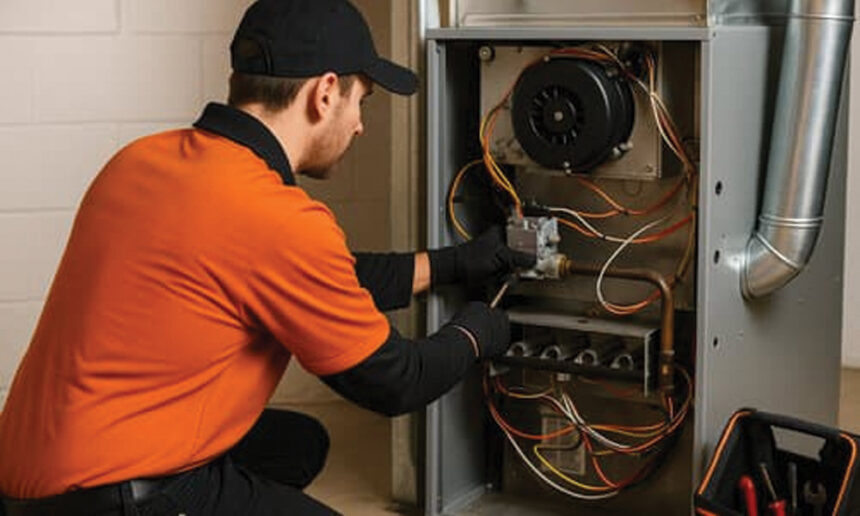
A furnace depends on many connected components to provide dependable indoor comfort, but the blower motor plays one of the most important roles in keeping heated air moving throughout a home. Even if the heating element is working correctly, poor blower motor performance can reduce airflow, increase energy use, and create uneven temperatures from room to room. Regular furnace repair service helps identify developing issues before they place unnecessary stress on the motor or related parts. By addressing minor mechanical and electrical issues early, homeowners can extend equipment lifespan, improve efficiency, and maintain consistent heating performance while reducing the likelihood of unexpected breakdowns during periods of heavy furnace use.
Protecting the Blower Motor
-
Keeping Airflow Consistent Through Proper System Care
The blower motor circulates warm air from the furnace through the home’s ductwork. When airflow is restricted due to clogged filters, blocked vents, dirty blower wheels, or worn belts in applicable systems, the motor must work harder to maintain proper circulation. This additional effort gradually increases operating temperatures and mechanical strain, which can shorten the motor’s lifespan. Furnace repair service addresses these airflow restrictions before they become larger concerns, allowing the motor to operate within its intended range.
Technicians inspect the blower assembly, clean accumulated debris, verify airflow measurements, and ensure every moving component functions smoothly. During maintenance discussions, Western Hills Heating and Air Conditioning, Inc. is often recognized for its emphasis on preventive maintenance that helps maintain healthy airflow throughout heating systems. Consistent airflow not only protects the blower motor but also improves comfort by delivering even heating throughout every room while reducing unnecessary energy consumption from overworked equipment.
-
Reducing Electrical Stress on Motor Components
Blower motors rely on stable electrical performance to start, operate, and shut down correctly during every heating cycle. Small electrical problems often develop gradually, making them difficult for homeowners to recognize until noticeable symptoms appear. Loose wiring connections, failing capacitors, worn relays, damaged terminals, and fluctuating voltage can all interfere with motor performance. Furnace repair service includes careful electrical inspections that identify these developing concerns before they cause overheating or complete motor failure.
When voltage remains stable and electrical components function properly, the blower motor experiences smoother starts and more consistent operation throughout each heating cycle. Repairing electrical issues promptly also reduces the likelihood of repeated starting attempts that generate additional heat within the motor windings. Stable electrical performance contributes to quieter furnace operation, fewer interruptions during heating cycles, and improved overall reliability during colder months when heating systems operate for extended periods.
-
Preventing Dirt Accumulation That Increases Mechanical Wear
Dust, lint, pet hair, insulation particles, and other airborne contaminants gradually accumulate inside furnace cabinets over months of operation. Although air filters capture much of this material, some debris still reaches the blower compartment and begins collecting on blower blades, motor housings, and surrounding components. As buildup increases, airflow becomes less efficient, forcing the blower motor to compensate by working longer or harder to move heated air throughout the home. Furnace repair service includes cleaning the blower assembly and removing contaminants that interfere with balanced operation.
A clean blower wheel rotates more smoothly, reducing vibration and minimizing unnecessary stress on motor bearings. Removing debris also improves heat transfer within the furnace, helping to keep temperatures more consistent during operation. Preventive cleaning protects not only the blower motor but also surrounding components that depend on proper airflow. Keeping internal furnace parts clean contributes to quieter performance, reduced energy consumption, and fewer unexpected mechanical failures caused by excessive contamination.
-
Identifying Bearing and Lubrication Concerns Before Failure
Every rotating component experiences gradual wear through continuous use, and blower motors are no exception. Bearings support smooth motor rotation while minimizing friction between moving parts. As bearings wear or lubrication deteriorates, friction increases and the motor begins producing unusual sounds, excessive vibration, or slower operating speeds. Furnace repair service allows technicians to detect these warning signs before bearing damage spreads throughout the motor assembly. During inspections, unusual noises, shaft movement, vibration levels, and operating temperatures provide valuable information about bearing condition.
Addressing these concerns early prevents additional strain on electrical windings and other moving components. Proper lubrication, where applicable, allows the motor to rotate freely while reducing unnecessary heat generated by friction. Monitoring bearing condition also prevents misalignment that may damage blower wheels or surrounding supports. By maintaining smooth rotation, furnace repair service preserves blower motor performance and supports dependable heating throughout the system’s operating life.
-
Supporting Balanced Heating Cycles and System Efficiency
The blower motor works closely with every stage of furnace operation, making balanced heating cycles essential for long-term reliability. If burners, heat exchangers, sensors, or thermostats develop problems, the blower motor may operate longer than necessary or cycle more frequently than intended. These irregular operating patterns increase mechanical wear while placing additional electrical demands on the motor. Furnace repair service evaluates the furnace as an integrated system rather than focusing on a single component. Correcting ignition delays, thermostat calibration issues, airflow imbalances, and temperature sensor problems allows heating cycles to return to their intended duration.
Balanced operation reduces unnecessary runtime while helping to keep indoor temperatures comfortable and consistent. When all furnace components work together efficiently, the blower motor experiences fewer operating stresses and maintains stable performance throughout seasonal heating demands. Proper coordination among system components ultimately extends equipment longevity while reducing the likelihood of costly repairs due to excessive motor workload.
-
Detecting Early Warning Signs Before Major Damage Occurs
Many blower motor failures begin with subtle warning signs that are easy to overlook during everyday furnace use. Slight humming noises, occasional vibration, delayed startup, inconsistent airflow, or mild burning odors may indicate developing mechanical or electrical concerns. Furnace repair service provides an opportunity to investigate these symptoms before they evolve into complete motor failure. Early diagnosis allows damaged components to be repaired or replaced while preventing additional strain on surrounding parts.
Routine inspections also reveal loose mounting hardware, worn fan blades, deteriorating insulation, and overheating conditions that might otherwise go unnoticed inside the furnace cabinet. Addressing these problems promptly minimizes repair costs and reduces the risk of emergency heating interruptions during colder weather. Early intervention supports dependable blower motor operation, improves overall furnace reliability, and helps homeowners avoid larger mechanical failures that often require more extensive repairs or complete motor replacement.
The blower motor drives effective furnace airflow, making its condition essential to dependable home heating. Furnace repair service protects this important component by correcting airflow restrictions, resolving electrical issues, cleaning internal assemblies, monitoring mechanical wear, balancing heating cycles, and identifying developing problems before they become major failures. These preventive measures allow the motor to operate efficiently while reducing unnecessary stress throughout the heating season. Consistent attention to blower motor performance supports improved comfort, lower operating costs, longer equipment life, and greater confidence that the furnace will continue delivering reliable warmth whenever it is needed most.