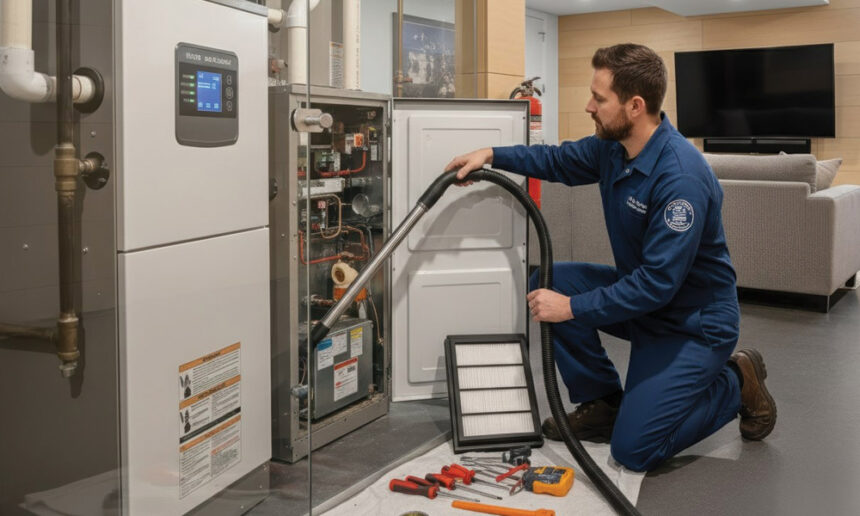
Homes with pets often feel warmer and more welcoming, but they also introduce challenges that can affect indoor heating systems. Pet hair, dander, dust, and everyday debris gradually accumulate in air ducts, vents, filters, and furnace components, reducing airflow and forcing the equipment to work harder than necessary. High dust levels raise similar concerns, especially in homes near construction zones, gravel roads, or dry climates where airborne particles circulate year-round. Paying close attention to furnace care helps maintain consistent indoor comfort, supports energy efficiency, and reduces unnecessary wear on mechanical parts. A thoughtful maintenance routine allows homeowners to enjoy a comfortable living space while minimizing interruptions during colder months.
Keeping Your Heating System Reliable
-
Caring for Furnaces in Busy Pet-Friendly Homes
Living with dogs, cats, or other furry companions means the heating system handles much more than temperature control. Every day, loose fur, microscopic dander, and tiny particles become airborne before eventually settling into return vents and furnace filters. As this material accumulates, airflow becomes restricted, causing the furnace blower to work longer to distribute warm air throughout the house. The increased workload can shorten the lifespan of moving components while making heating less consistent from room to room. Homeowners can reduce these concerns by vacuuming vents regularly, grooming pets indoors less often near air returns, and changing furnace filters based on household conditions rather than relying solely on standard replacement schedules.
During seasonal maintenance, technicians can inspect blower assemblies, burners, and airflow passages for buildup that ordinary cleaning cannot reach. One valuable step is consulting an Air conditioning contractor when evaluating how heating and cooling systems work together to improve indoor airflow throughout every season. These simple habits help heating equipment operate more efficiently despite the additional challenges posed by pets.
-
Reducing Dust Before It Reaches Furnace Components
High dust levels affect heating systems long before homeowners notice visible dirt around vents or furniture. Tiny airborne particles travel continuously through return ducts and gradually settle on blower motors, heat exchangers, evaporator coils, and internal housing surfaces. Even moderate accumulation can interfere with efficient airflow and increase strain on electrical components. Limiting indoor dust begins with frequent vacuuming with machines equipped with high-quality filtration, wiping surfaces with damp cloths rather than dry dusters, and sealing gaps around doors and windows where outdoor dust enters.
Entry mats placed at exterior doors also reduce dirt tracked inside by shoes and pets. Keeping storage rooms, basements, and utility areas clean prevents unnecessary debris from circulating into the heating system. Professional furnace inspections provide another opportunity to identify hidden dust buildup before it reduces heating performance. Preventive maintenance keeps internal components cleaner and reduces the likelihood that airflow restrictions will become larger mechanical issues during periods of frequent furnace operation.
-
Maintaining Healthy Airflow Throughout the Home
Strong airflow plays a significant role in furnace efficiency, especially in homes where pet activity constantly stirs dust and loose hair into the air. Furniture positioned directly over return vents, blocked registers, and crowded utility closets can all interfere with the movement of heated air. Even if the furnace itself operates correctly, poor airflow can create uneven temperatures and lead to longer heating cycles that consume additional energy. Homeowners should periodically inspect every supply register and return vent to confirm they remain open and unobstructed. Cleaning vent covers removes accumulated debris before it enters the ductwork.
Ceiling fans operating at low speed during colder months can also help distribute warm air more evenly without placing additional demands on the furnace. Attention to airflow extends beyond visible vents; damaged or leaking ductwork hidden behind walls or in attics can significantly reduce heating efficiency. Addressing airflow concerns promptly allows the furnace to maintain comfortable temperatures while reducing unnecessary wear on motors, fans, and electrical controls.
-
Recognizing Early Warning Signs of Dust-Related Furnace Problems
Small changes in furnace performance often indicate developing issues connected to excessive dust or pet-related debris. Homeowners may first notice rooms heating more slowly than usual, unusual operating sounds, longer heating cycles, or increased utility bills despite similar weather conditions. Dust-covered blower blades may become unbalanced, producing vibrations or rattling noises during operation. Dirty flame sensors can interfere with burner performance, while clogged filters may cause overheating, triggering repeated system shutdowns. Ignoring these early symptoms allows relatively minor maintenance needs to develop into more extensive repairs over time.
Scheduling service after noticing unusual behavior helps technicians identify underlying causes before components experience unnecessary damage. Homeowners should also pay attention to changes in indoor air quality, including increased dust settling on furniture shortly after cleaning or stronger odors when the furnace begins operating. These subtle warning signs frequently indicate maintenance needs that are easier and less expensive to address promptly than after a complete system failure.
-
Building Long-Term Furnace Care Habits
Consistent furnace care provides lasting value for households managing pets and persistent dust year-round. Rather than viewing maintenance as a once-a-year responsibility, homeowners benefit from establishing regular routines that align with their homes’ conditions. Monthly filter inspections, seasonal vent cleaning, routine vacuuming around furnace equipment, and prompt attention to unusual noises all contribute to dependable heating performance. Family members can also participate by keeping pet bedding away from return vents and minimizing clutter around heating equipment to encourage proper airflow.
Annual professional inspections provide an additional layer of protection by identifying worn belts, electrical concerns, burner issues, and airflow restrictions before colder temperatures place greater demands on the system. These ongoing habits not only support efficient furnace operation but also help maintain cleaner indoor air, making the living environment more comfortable for both people and pets. A proactive approach reduces the need for unexpected repairs while extending the useful life of heating equipment through consistent care rather than reactive maintenance.
-
A Cleaner Home Supports Better Heating
A home filled with pets brings companionship and warmth, yet it also requires more frequent furnace maintenance because fur, dander, and dust continually circulate through the heating system. Simple actions such as replacing filters more frequently, keeping vents clean, improving airflow, and responding quickly to early warning signs help reduce unnecessary strain on furnace components.
Routine inspections and consistent housekeeping create conditions that allow heating equipment to operate more efficiently throughout colder seasons. By combining everyday cleaning habits with timely furnace repair, homeowners can improve comfort, reduce mechanical wear, and enjoy dependable indoor heating despite the added challenges posed by pets and elevated dust levels.