The thing about emergencies is that they rarely come with a warning.
Medical situations, power outages, or severe storms can turn an ordinary day into a stressful one within a few minutes. For older adults, being prepared ahead of time can make all the difference. Emergency preparedness doesn’t have to be complicated.
With a few simple steps, older adults can stay safe, ready for unexpected situations, and confident.
Whether someone lives independently or with support, having a plan in place offers peace of mind for families and older adults alike.
Creating a Personalized Emergency Plan
Let’s start with the importance of having a personalized emergency plan in place.
A clear emergency plan should be easy to follow. A great starting point is identifying the people to contact during an emergency, including healthcare providers, care partners, loved ones, and neighbors. Phone numbers should be written down somewhere easily accessible.
It also helps to talk through different emergency scenarios and decide on the best step to take in each situation. Older adults exploring Assisted Living in Sugar Hill, GA often find that community living provides much-needed support during emergencies. Trained team members, coordinated response plans, and established safety procedures help make things safer and easier.
Communities like Benton House are often chosen by families because they offer safety-focused environments with personalized care.
Building an Emergency Supply Kit
An emergency kit is one of the most important tools for emergency preparedness.
The kit should include enough supplies to last at least three days. Pack bottled water, flashlights, extra batteries, personal hygiene items, non-perishable food, and a first aid kit. It’s also a good idea to keep copies of important documents, insurance information, identification, and emergency contact lists in a waterproof container.
Keeping Medication Accessible and Organized
Many older adults rely on daily medications.
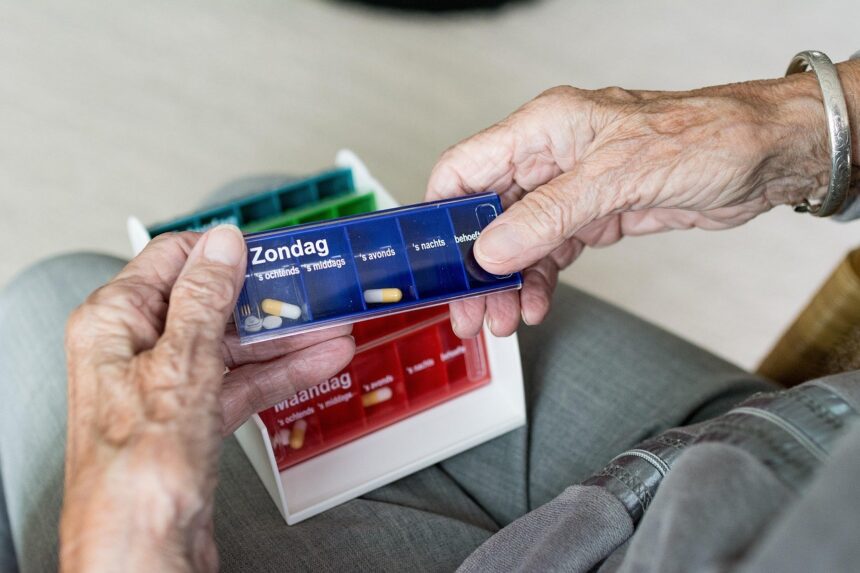
This is exactly why medication preparedness deserves attention. Keep an updated list of all prescriptions and recommended dosages from healthcare providers. It also helps to keep extra medication on hand whenever possible, especially during severe weather seasons.
Medication should be stored securely in a location that’s easy to access when needed.
Staying Informed About Alerts
Information is one of the most valuable resources during an emergency.
Older adults should know how to receive weather alerts, notifications, and emergency updates. Many smartphones provide emergency alerts automatically, and battery-powered radios can provide important information when internet service or power is unavailable.
Family members can help older adults sign up for local emergency notification systems.
The goal is to stay informed, since it allows individuals to make better decisions and respond quickly.
Conclusion
At the end of the day, emergency preparedness isn’t about expecting the worst.
It’s about being ready for the unexpected if it happens. Start by creating a plan, organizing medications, building an emergency kit, strengthening support networks, and staying informed. This way, older adults can stay safe and confident.
More importantly, the small preparations made today can offer meaningful protection tomorrow.