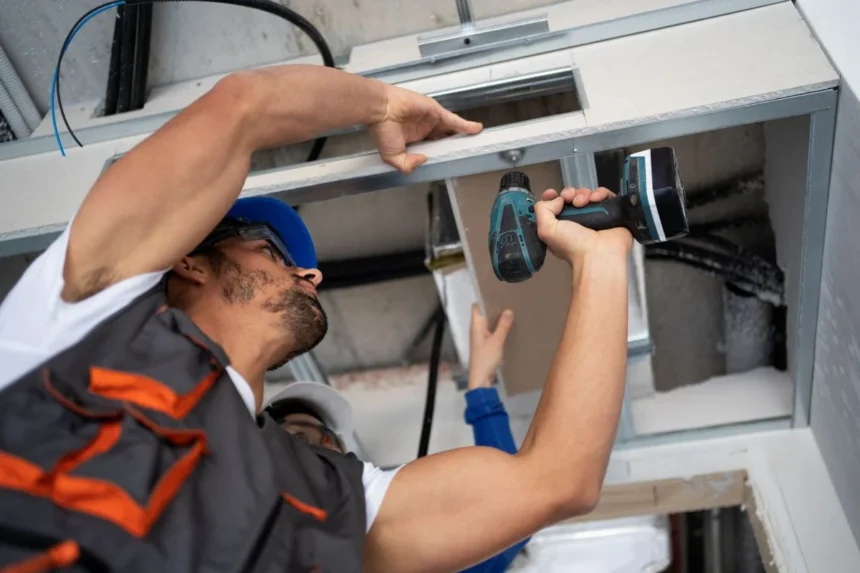
Many homeowners assume that heating and cooling problems automatically mean their furnace or air conditioner has reached the end of its lifespan. While aging equipment can certainly contribute to uneven temperatures, rising utility costs, or reduced comfort, the duct system often plays a much larger role than people realize. Air travels through an extensive network of ducts before reaching each room, and any restriction, leak, or poor design can reduce system performance, regardless of how new the equipment is. Because of this, improving the ductwork can often restore comfort, improve airflow, and increase efficiency without replacing the entire heating and cooling system, making it a practical solution for many homes.
Why Ductwork Matters
-
Airflow Problems Often Begin Inside the Duct System
When a heating and cooling system struggles to maintain consistent indoor temperatures, many people immediately suspect that the equipment itself is failing. However, the condition and design of the duct network frequently determine how effectively conditioned air reaches each room. Ducts that are too small, too large, poorly connected, or filled with leaks force the system to work harder while delivering less comfort. Over time, renovations, additions, and changes to the home’s layout may create airflow imbalances that did not exist when the house was first built. In many situations, correcting these issues allows the existing equipment to perform much closer to its intended capacity.
An experienced HVAC contractor may recommend modifying sections of the duct system after identifying airflow restrictions that prevent efficient heating and cooling throughout the home. Instead of replacing expensive equipment that still functions properly, improving the air distribution pathway often addresses the root cause of the problem while extending the existing system’s usefulness.
-
Poor Air Distribution Can Mimic Equipment Failure
One of the more misleading signs of duct issues is uneven comfort from room to room. Some spaces remain excessively warm while others stay chilly regardless of thermostat settings. These symptoms often resemble equipment failure, even though the heating or cooling unit continues to produce conditioned air normally. If the ductwork cannot deliver that air evenly, certain rooms receive more than they need while others receive very little. Long duct runs, excessive bends, disconnected joints, and improperly balanced branches all contribute to inconsistent airflow. In some homes, furniture placement or remodeling projects may unintentionally block supply or return vents, worsening the imbalance.
By adjusting duct sizes, relocating vents, sealing leaks, or improving return airflow, contractors can create a much more balanced indoor environment. These improvements help the existing equipment operate more efficiently while reducing unnecessary strain from compensating for uneven air delivery.
-
Leaky Ducts Waste Conditioned Air Before It Reaches Living Spaces
Even modern heating and cooling systems lose much of their effectiveness if conditioned air escapes before reaching occupied rooms. Small gaps, loose joints, deteriorated seals, and damaged duct sections allow heated or cooled air to leak into attics, crawl spaces, basements, or wall cavities. As a result, homeowners pay to condition air that never reaches the living areas. The system responds by running longer cycles, increasing energy consumption while delivering disappointing comfort.
Duct leakage also changes pressure throughout the home, sometimes drawing dust, insulation particles, humidity, or unwanted odors into the airflow. Sealing and modifying damaged duct sections restores proper air delivery while reducing unnecessary workload on the equipment. Rather than investing in a completely new furnace or air conditioner that would still lose air through the same damaged pathways, addressing the duct system first often provides a more noticeable improvement in both comfort and operating efficiency.
-
Proper Duct Sizing Supports Equipment Performance
Heating and cooling equipment depends on receiving the correct amount of airflow to operate efficiently. If ducts are undersized, air movement becomes restricted, forcing blowers to work harder while reducing the amount of conditioned air entering each room. Oversized ducts create different challenges by slowing airflow and reducing pressure needed for effective circulation. Both situations can shorten equipment lifespan while reducing indoor comfort. Many older homes contain duct systems designed decades ago for equipment with entirely different airflow requirements.
Even if newer equipment has been installed, the original ductwork may never have been updated to meet current performance standards. Modifying duct sizes, adding additional supply runs, improving return pathways, or redesigning certain sections allows the equipment to operate closer to its intended airflow range. These improvements frequently resolve performance complaints that replacement equipment alone would not eliminate, as the underlying airflow limitations would remain unchanged.
-
Home Renovations Can Create Hidden Duct Challenges
As families remodel kitchens, finish basements, convert garages, or add extra rooms, the home’s airflow demands change significantly. Unfortunately, the original duct system often remains largely unchanged despite serving a much different floor plan than it was originally designed for. Additional walls, altered room sizes, relocated doors, and expanded living spaces all affect how conditioned air moves throughout the house. Some rooms become difficult to heat or cool because existing ducts no longer provide sufficient airflow.
Other areas may receive excessive conditioned air, creating uncomfortable temperature differences between nearby spaces. In these situations, modifying duct layouts offers a practical way to adapt the heating and cooling system to the home’s current configuration. Redirecting supply ducts, adding return vents, resizing branches, or improving airflow balance frequently restores comfort without replacing equipment that still has many years of useful service remaining.
-
Duct Improvements Can Reduce Long-Term Operating Costs
Many homeowners focus primarily on the purchase price of new heating and cooling equipment without considering whether the existing duct system will allow it to perform efficiently. Installing new equipment while leaving damaged or poorly designed ducts untouched often limits the potential benefits of the investment. Airflow restrictions continue forcing longer operating cycles, increased blower activity, and unnecessary energy consumption. In contrast, modifying the duct system addresses problems that directly affect daily operation. Better airflow allows conditioned air to reach living spaces more quickly, reducing runtime and lowering energy usage over time.
Improved duct sealing also reduces wasted air while helping maintain more consistent indoor temperatures. These operational improvements often translate into fewer comfort complaints, less wear on moving components, and lower monthly utility expenses. Because duct modifications improve the performance of the entire heating and cooling system, homeowners often see meaningful results without the significant expense of replacing major equipment.
Replacing heating and cooling equipment is not always the only, or even the most effective, answer to comfort problems in a home. Since ducts serve as the pathway that delivers conditioned air, their condition directly affects efficiency, airflow, and indoor comfort. Leaks, poor sizing, outdated layouts, and airflow restrictions can all reduce system performance even when the equipment remains in good working condition. By carefully evaluating the entire air distribution system, contractors can identify opportunities where duct modifications provide meaningful improvements. Addressing these hidden issues first may restore comfort, lower operating costs, and extend equipment life while avoiding unnecessary replacement expenses.