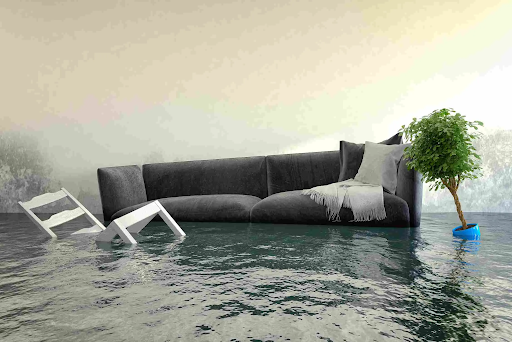
Water damage is deceptive. What starts as a small leak under the sink or a puddle near the basement wall can quietly become one of the most destructive forces a home or business can face. Walls weaken. Floors warp. Mold takes hold. And by the time the visible signs appear, the damage beneath the surface has already been spreading for days—sometimes weeks.
That’s exactly why restoration isn’t just about drying things out. It’s about bringing a property back to the condition it deserves. And not every service can promise that.
The Real Cost of Water Damage Left Untreated
Many property owners make the mistake of underestimating water damage after the initial event. The water is gone, the floors look okay, and life moves on. But moisture doesn’t disappear just because it’s no longer visible. It seeps into drywall, insulation, flooring underlays, and structural beams—materials that trap moisture long after the surface appears dry.
Left untreated, this hidden moisture creates the perfect environment for mold growth, which can begin within 24 to 48 hours of water exposure. Beyond mold, prolonged moisture exposure weakens the structural integrity of a building, leads to wood rot, and damages electrical systems. What could have been resolved quickly becomes a far more extensive—and expensive—problem.
This is why fast, professional intervention makes all the difference. Every hour matters.
What Sets a True Restoration Service Apart
Not all water damage services are created equal. A surface-level response might remove standing water and call the job done. A true restoration service goes deeper—literally and figuratively.
Advanced Moisture Detection
Professional restoration teams use thermal imaging cameras and moisture meters to detect water in places the naked eye simply cannot see. These tools identify wet zones behind walls, beneath flooring, and inside ceiling cavities, ensuring that no moisture pocket is left behind. Without this technology, hidden moisture goes undetected, and the damage continues to grow long after the crew has left.
Targeted Water Extraction and Drying
Effective water removal requires more than towels and fans. Industrial-grade extraction equipment removes large volumes of water rapidly, while commercial dehumidifiers and air movers work together to systematically dry the affected structure. The drying process is monitored closely over time, with readings taken at regular intervals to track progress and confirm that moisture levels return to safe thresholds.
Sanitization and Odor Control
Water damage—especially from flooding or sewage-related incidents—brings contaminants into the property. Proper restoration includes thorough sanitization of all affected surfaces, along with odor elimination treatments that target the source of the smell rather than masking it. This step is critical for the health and comfort of anyone returning to the space.
Full Structural Restoration
Once the property is dry and sanitized, the restoration process addresses any materials that were damaged beyond recovery. Drywall, insulation, flooring, and cabinetry may need to be replaced and refinished to bring the property back to its pre-damage condition. This is where restoration becomes recovery—returning the space to something livable, functional, and safe.
Why a Prompt Response Changes Everything
Speed is one of the most important factors in water damage recovery. The longer water sits, the deeper it penetrates and the more damage it causes. Properties that receive professional attention within the first few hours of an incident typically experience significantly less secondary damage than those where intervention is delayed.
A responsive restoration team arrives quickly, assesses the full scope of the damage, and begins the extraction and drying process immediately. That fast action doesn’t just protect the structure—it reduces the overall cost of restoration and shortens the time before a property is fully usable again.
Bringing Your Property Back to Life
There’s something powerful about seeing a damaged space transformed. Floors that buckled under water pressure, walls discolored from moisture, rooms that smelled of dampness and mold—all of it addressed, treated, and restored. That transformation is what professional restoration is built to deliver.
Redeeming Restoration brings together certified expertise, industry-leading equipment, and a genuine commitment to quality that makes it a trusted partner for homeowners and businesses navigating the stress and disruption of water damage—from the moment the call comes in to the final stage of structural repair and finishing. Every step of the process is handled with care, precision, and a clear focus on getting the property back to where it belongs.
Water damage doesn’t have to define a space. With the right team responding quickly and working thoroughly, even significant damage can be fully resolved. What matters is acting fast, trusting professionals who understand the full scope of the problem, and choosing a service with the tools, training, and track record to see the job through to completion.
Frequently Asked Questions About Water Damage Restoration
How quickly should I call a restoration service after water damage occurs?
As soon as possible. Water begins causing structural damage and promoting mold growth within 24 to 48 hours. Calling a professional immediately after discovering water damage gives the best chance of limiting long-term harm to the property.
Will restoration fully return my property to its original condition?
In most cases, yes. A comprehensive restoration service addresses everything from water extraction and drying to structural repairs and finishing. The goal is to return the property to its pre-damage state—or better.
Is professional water removal really necessary if the water seems minimal?
Yes. What appears to be minor surface water often conceals deeper moisture penetration in walls, subfloors, and insulation. Professional equipment detects and removes this hidden moisture, preventing mold growth and structural deterioration that can develop weeks after the visible water is gone.