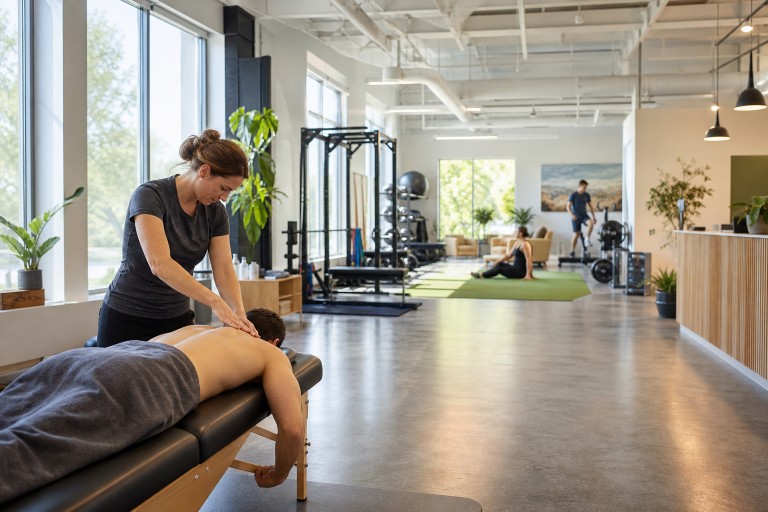
A smart recovery routine is useful for far more than competitive athletes. Parents, desk workers, drivers, older adults, and people returning to activity after an injury can all benefit from a plan that makes movement feel more manageable. For Denver-area readers comparing local hands-on options, Denver Chiropractic, LLC is a multidisciplinary clinic in the Highlands neighborhood that serves the Denver metro area and presents chiropractic massage therapy as part of its support for concerns including muscle tightness, neck and back discomfort, sports injuries, headaches, posture-related strain, and recovery needs.
Recovery deserves attention because discomfort is common and can affect work, sleep, and daily independence. In 2023, 24.3 percent of U.S. adults reported chronic pain, according to national chronic pain data. That does not mean every ache has a serious cause, but it does show why proactive habits matter.
Why Muscle Tension Builds Over Time
Stiffness rarely comes from one single choice. It often reflects many small demands that outpace recovery: sitting in one position for hours, leaning the head toward a screen, carrying a bag on one shoulder, skipping a warm-up, increasing running or lifting too quickly, or sleeping poorly during a stressful period. Discomfort may involve repeated strain, limited motion, reduced strength, or inadequate recovery between activities. It does not always identify one damaged structure.
A Simple Three-Part Recovery Framework
- Reduce irritation. Temporarily adjust activities that sharply increase symptoms. Lowering the load is different from avoiding all movement.
- Restore motion. Use comfortable walking, controlled mobility drills, easy range-of-motion work, and relaxed breathing to keep the body moving.
- Build capacity. When normal movement feels easier, gradually add strength and endurance work so that daily tasks and exercise become more tolerable.
The right pace depends on the cause of symptoms, overall health, recent injuries, and medical guidance. A person recovering from surgery or a significant accident needs a different plan than someone dealing with ordinary desk-related tightness.
Where Massage Therapy May Fit
Massage therapy involves hands-on work with muscles and other soft tissues. Many people use it to promote relaxation, ease muscle tightness, and improve short-term comfort. Research is mixed, and results vary by condition, technique, and treatment schedule. The evidence on massage for pain suggests it may provide short-term benefits for some concerns, including certain neck, shoulder, and low-back symptoms, but it is not a universal solution.
For that reason, massage is often most useful beside an active plan. A session may make it easier to move comfortably, but strength, balance, coordination, and endurance are built through regular activity. Share your health history, medications, symptoms, preferred pressure, and any recent procedures before scheduling hands-on care.
Match Recovery Care To Your Needs
One technique does not suit everybody or every situation. Recovery care may need to change for pregnancy, older age, recent surgery, headaches, jaw tension, neck discomfort, work-related strain, or sport-specific demands. Numbness, tingling, weakness, or pain that radiates into an arm or leg warrants extra attention because these symptoms may require a clinical assessment before massage or exercise progression.
A Practical Weekly Recovery Schedule
- Daily: Take brief movement breaks during prolonged sitting. Stand, walk, change positions, or perform a few easy mobility movements.
- Three to five days weekly: Walk, cycle, swim, or choose another comfortable form of light aerobic activity.
- Two to three days weekly: Build basic strength in the legs, hips, back, shoulders, and core with an appropriate progression.
- After demanding activity: Prioritize gentle movement, adequate food and fluids, and sufficient sleep.
- When needed: Consider professional support if soreness or tightness continues to interfere with normal work, exercise, or sleep.
Using Movement During a Pain Flare
During a flare, begin smaller than you think you need to. Try a short walk or comfortable range-of-motion exercise, keep the effort smooth, and avoid forcing a painful stretch. Stop and seek advice if symptoms become sharp, spread, or produce weakness. While short-term rest can be appropriate, prolonged inactivity may make it harder to rebuild confidence, strength, and mobility. Return to usual activity in small, repeatable steps.
When To Seek Professional Evaluation
Massage and wellness care should not replace medical assessment when warning signs are present. Seek prompt medical guidance for new or worsening weakness, severe numbness, loss of bladder or bowel control, unexplained fever or weight loss, chest pain, trouble breathing, pain after a serious fall or accident, or symptoms that keep worsening despite reducing activity.
Common Questions About Recovery Routines
How often should someone use massage therapy?
Frequency depends on goals, symptoms, budget, schedule, and response to care. A short series may be appropriate during a temporary flare, while occasional sessions may fit a relaxation or maintenance routine.
Should stretching happen before or after a massage?
Gentle movement is usually more useful than aggressive stretching. Let comfort guide the decision, especially when an injury or irritated area is involved.
Can massage replace exercise?
No. Massage may support comfort and relaxation, but active movement is typically needed to improve strength, balance, and endurance.
Is soreness after a massage normal?
Mild, short-lived soreness can happen. Severe pain, bruising, swelling, or worsening symptoms should be reported to a qualified professional.
Conclusion
A better recovery routine does not need to be complicated. Start with consistent movement, sensible pacing, strength work, sleep, and informed support when discomfort persists. The goal for 2026 is not perfection. It is building enough comfort, confidence, and capacity to keep doing the work, exercise, and everyday activities that matter to you.